Dinghy Sailing Tops FAQs
What layers do I wear on top for dinghy sailing?
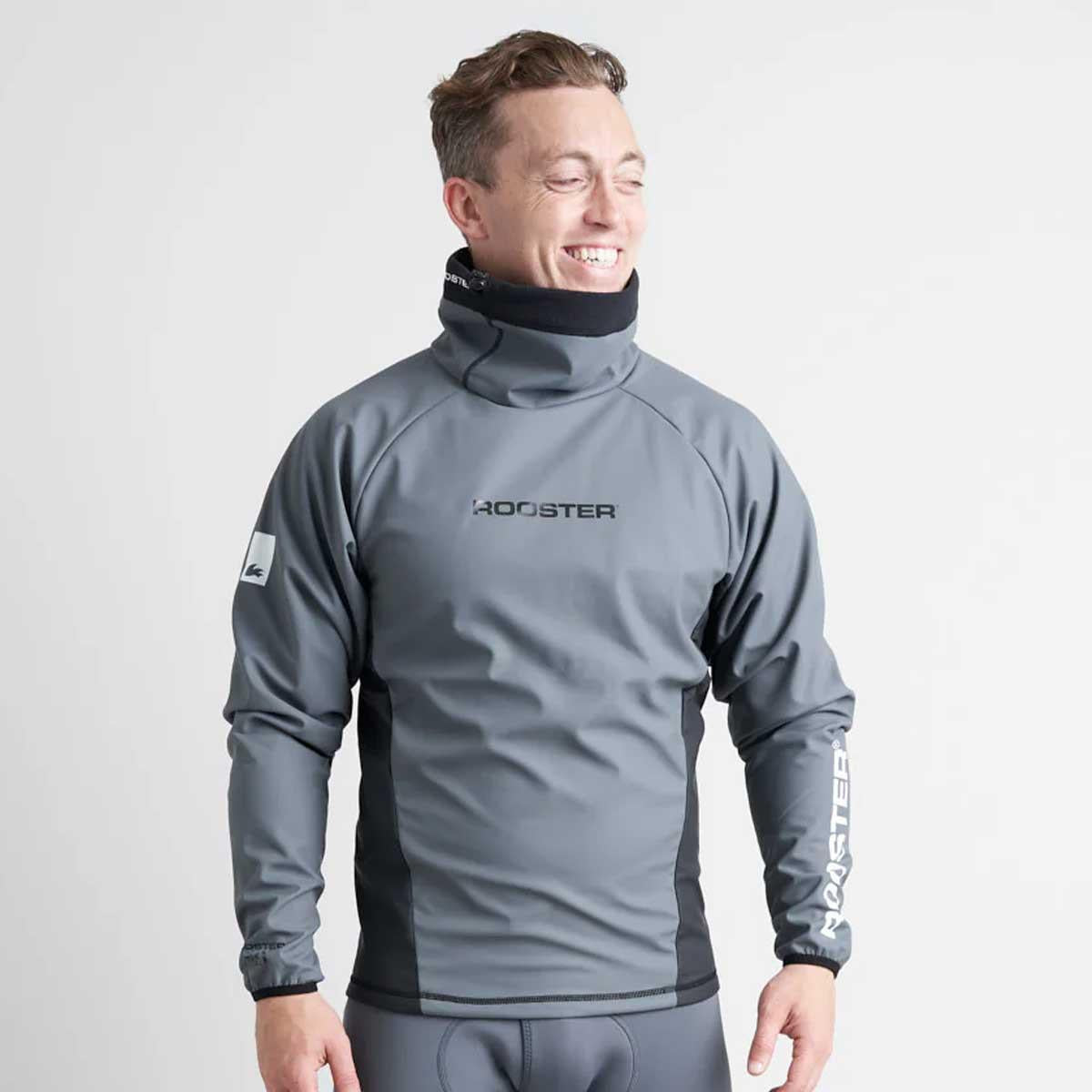
Three, adjusted for the season. Against the skin, a rash vest in summer or a thermal top in winter. In the middle, a fleece or a fleece lined top when it is cold. On the outside, a spray top to stop the wind and the worst of the water. In July you might wear only the rash vest. In January you wear all three plus a buoyancy aid. Never cotton, which soaks up water and strips heat from you.
Spray top or fleece lined top?
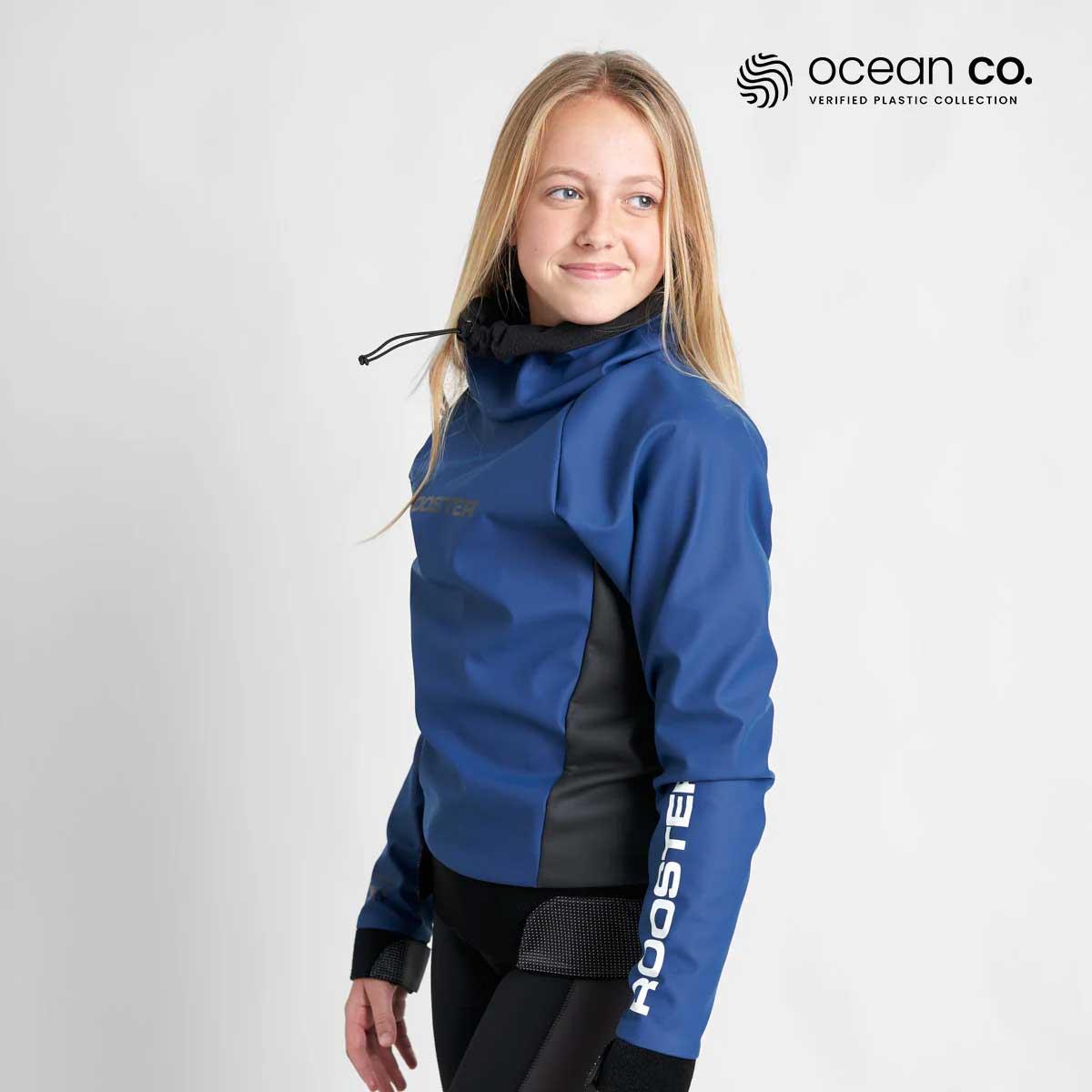
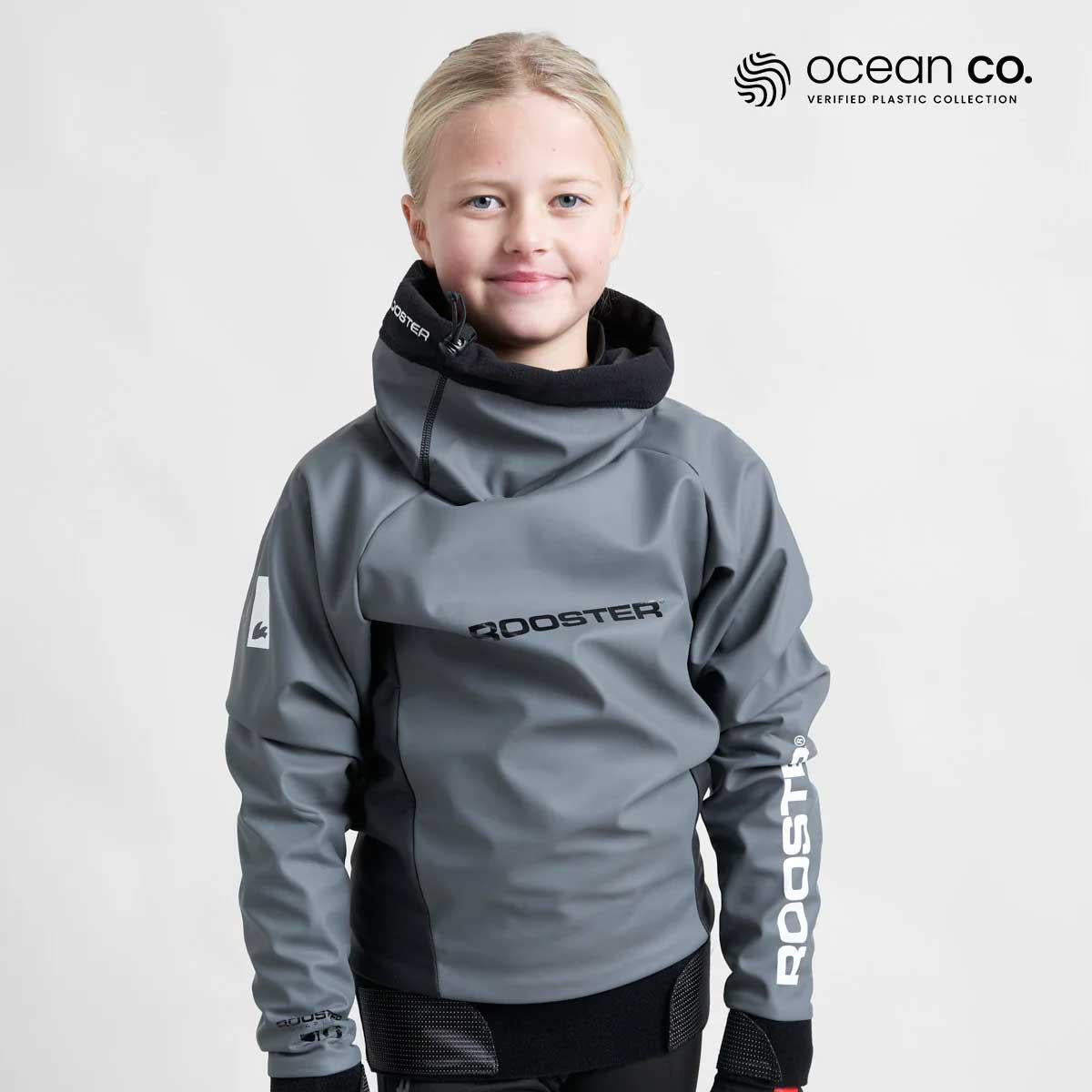
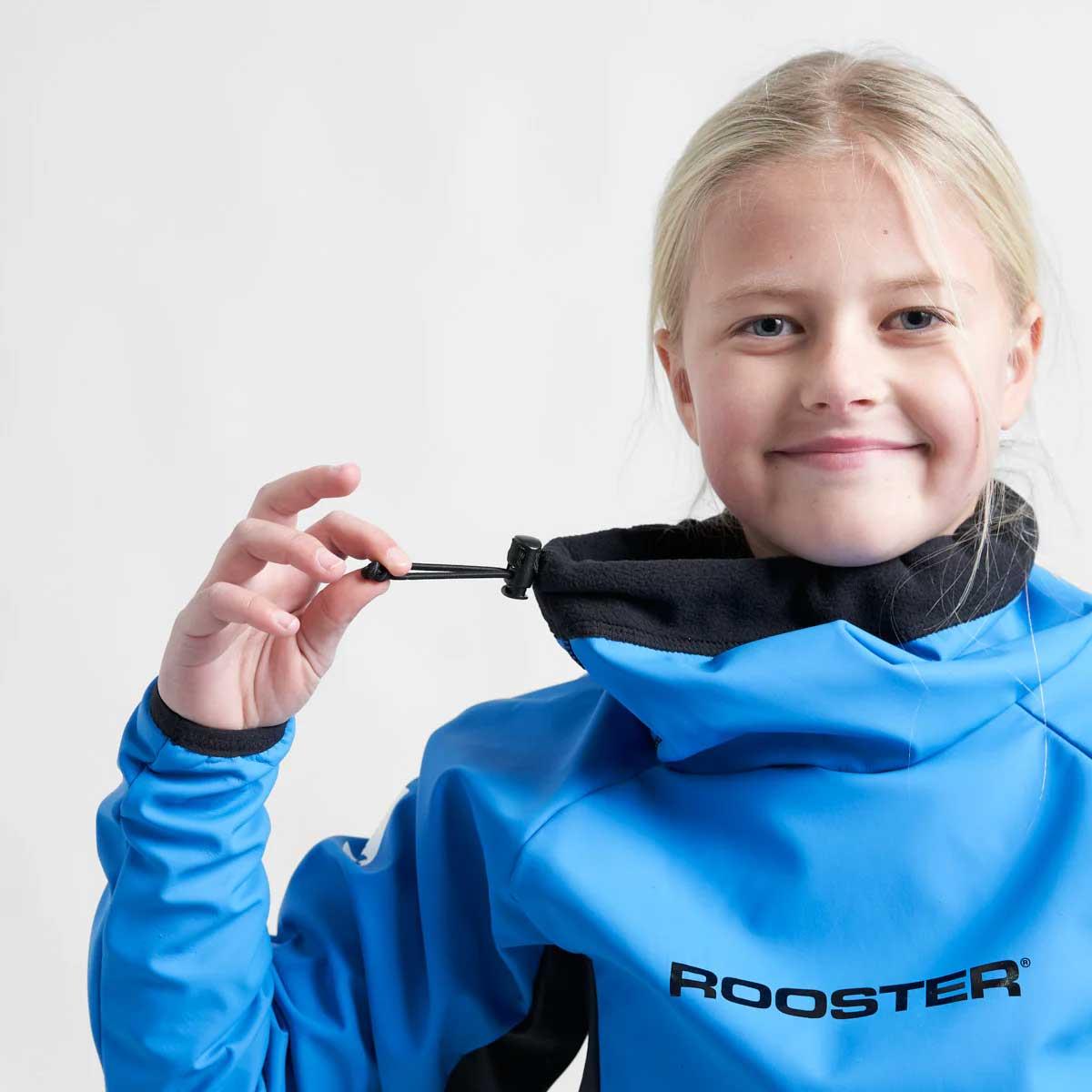
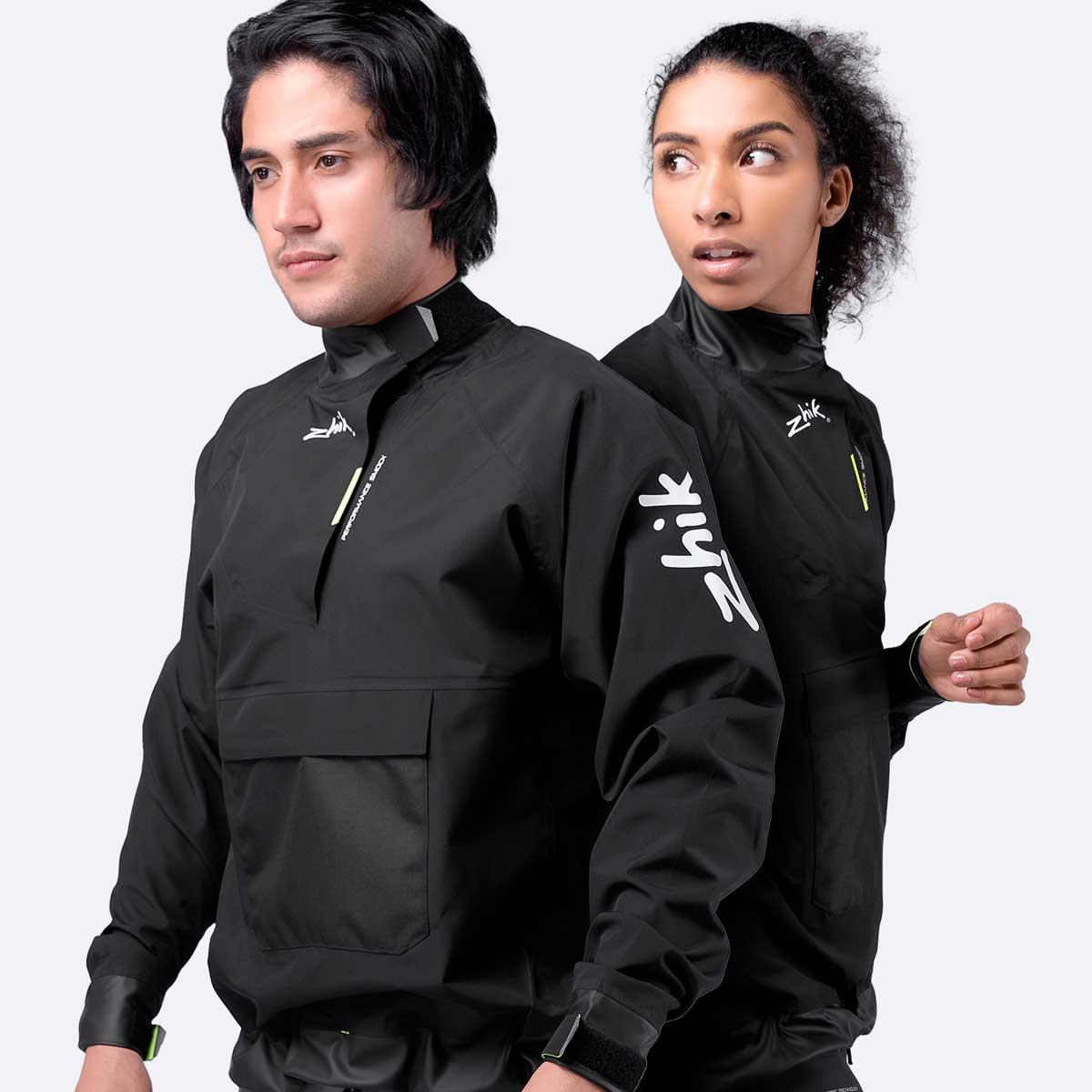
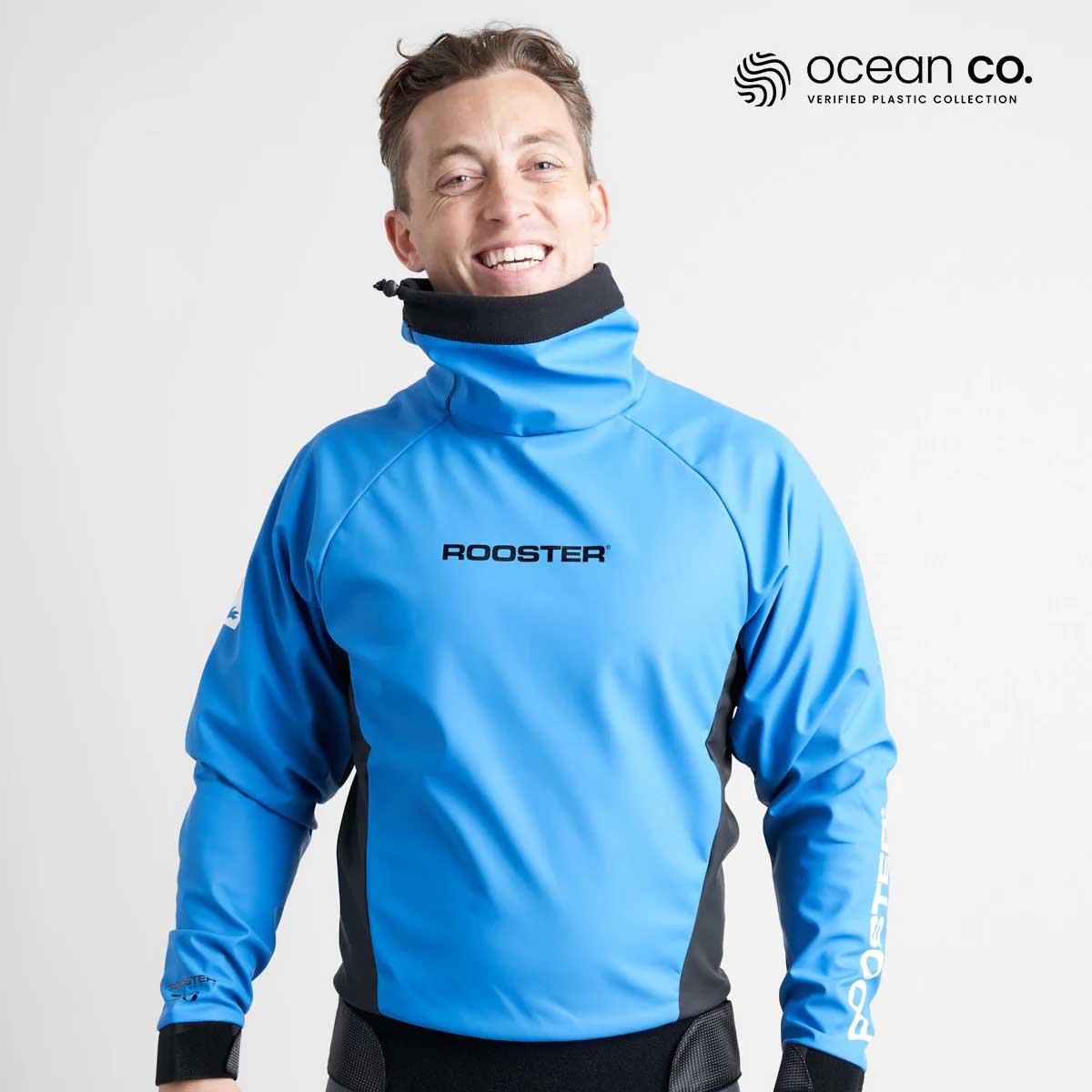
Spray top first. A spray top is a windproof shell and does the job that matters most, which is stopping wind chill. A fleece lined top combines the shell and the mid layer in one, which is convenient and warm but gives you less control when the day changes. If you only buy one top, buy a spray top with adjustable cuffs and neck and layer under it. Buy the fleece lined version as a second top for cold days.
Rash vest or thermal top underneath?
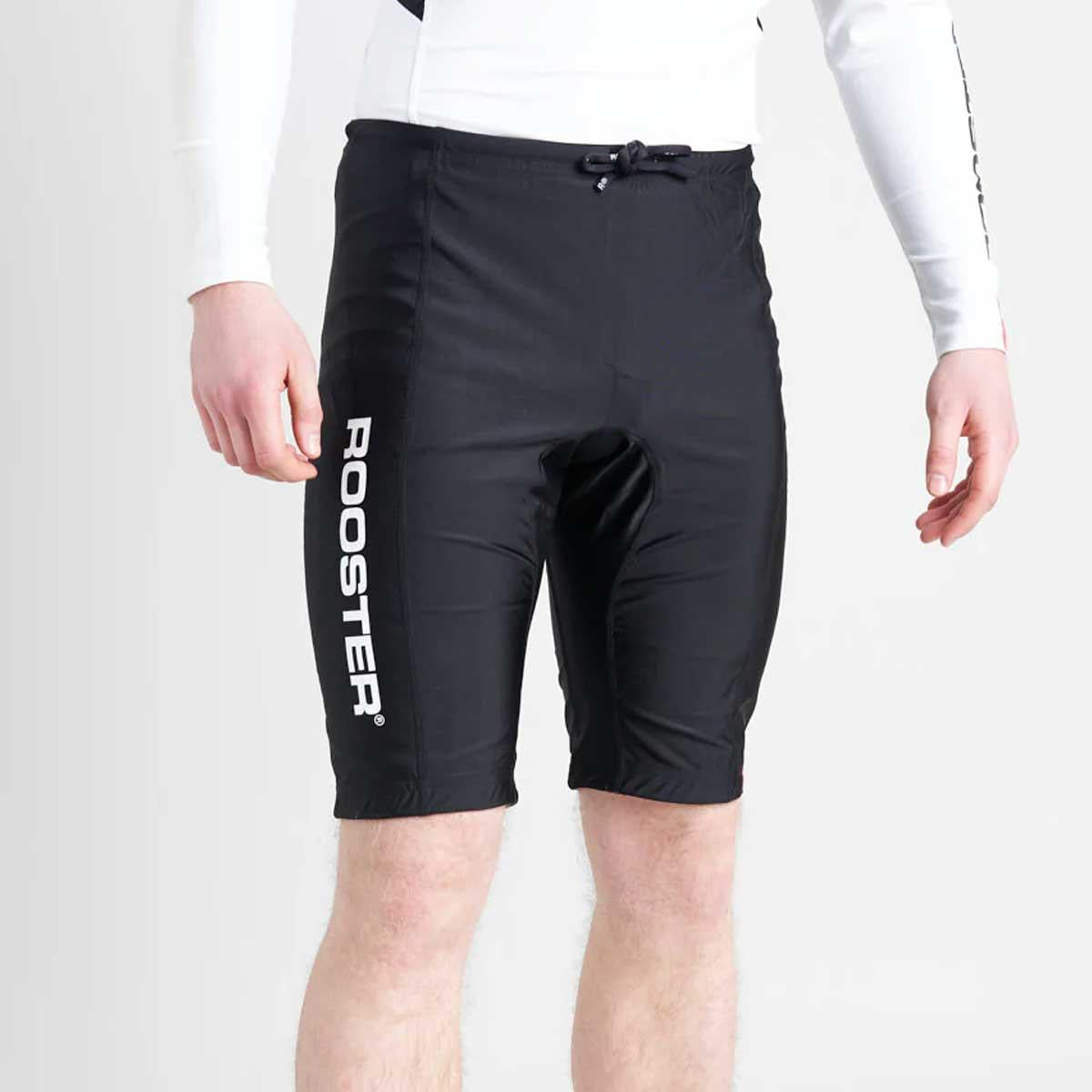
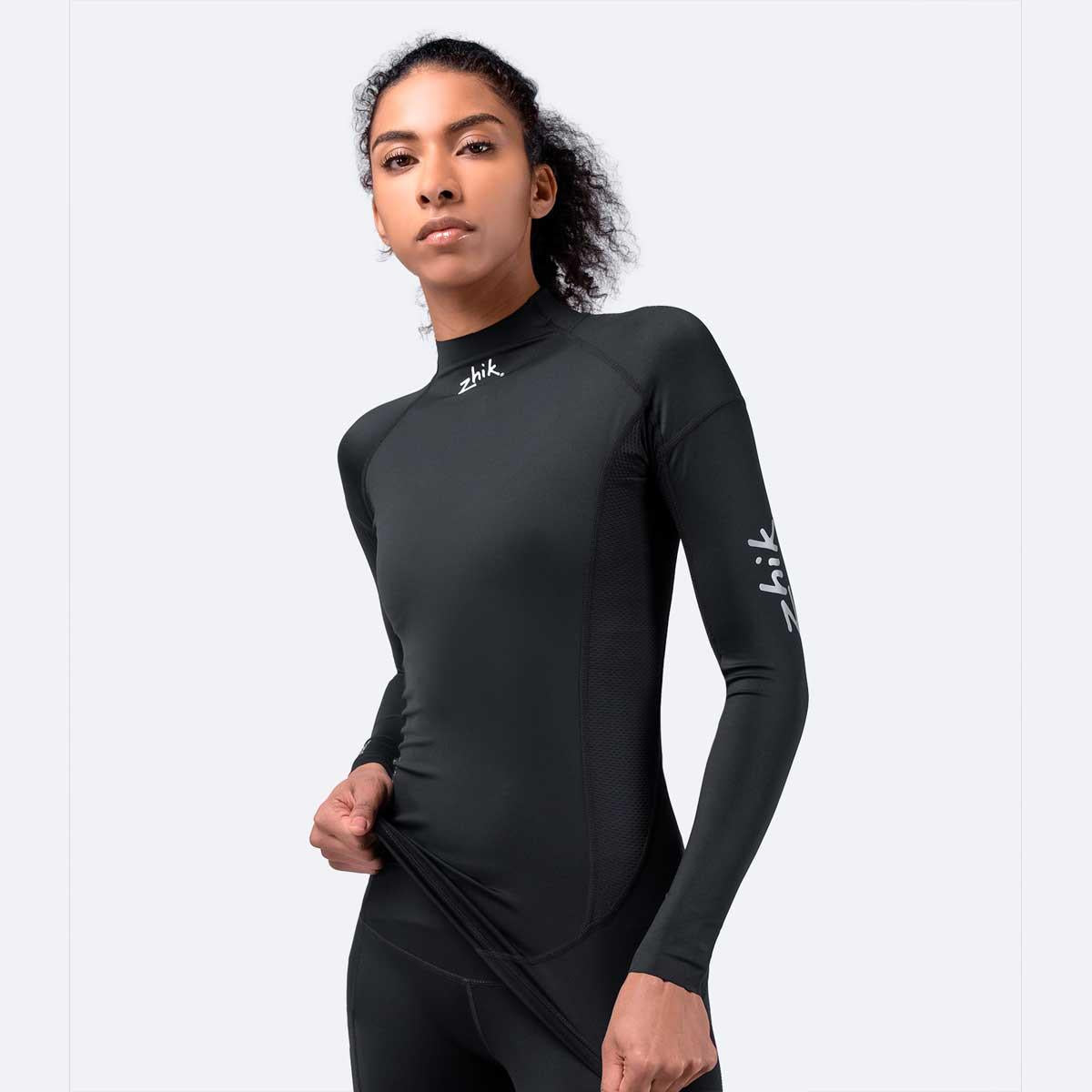
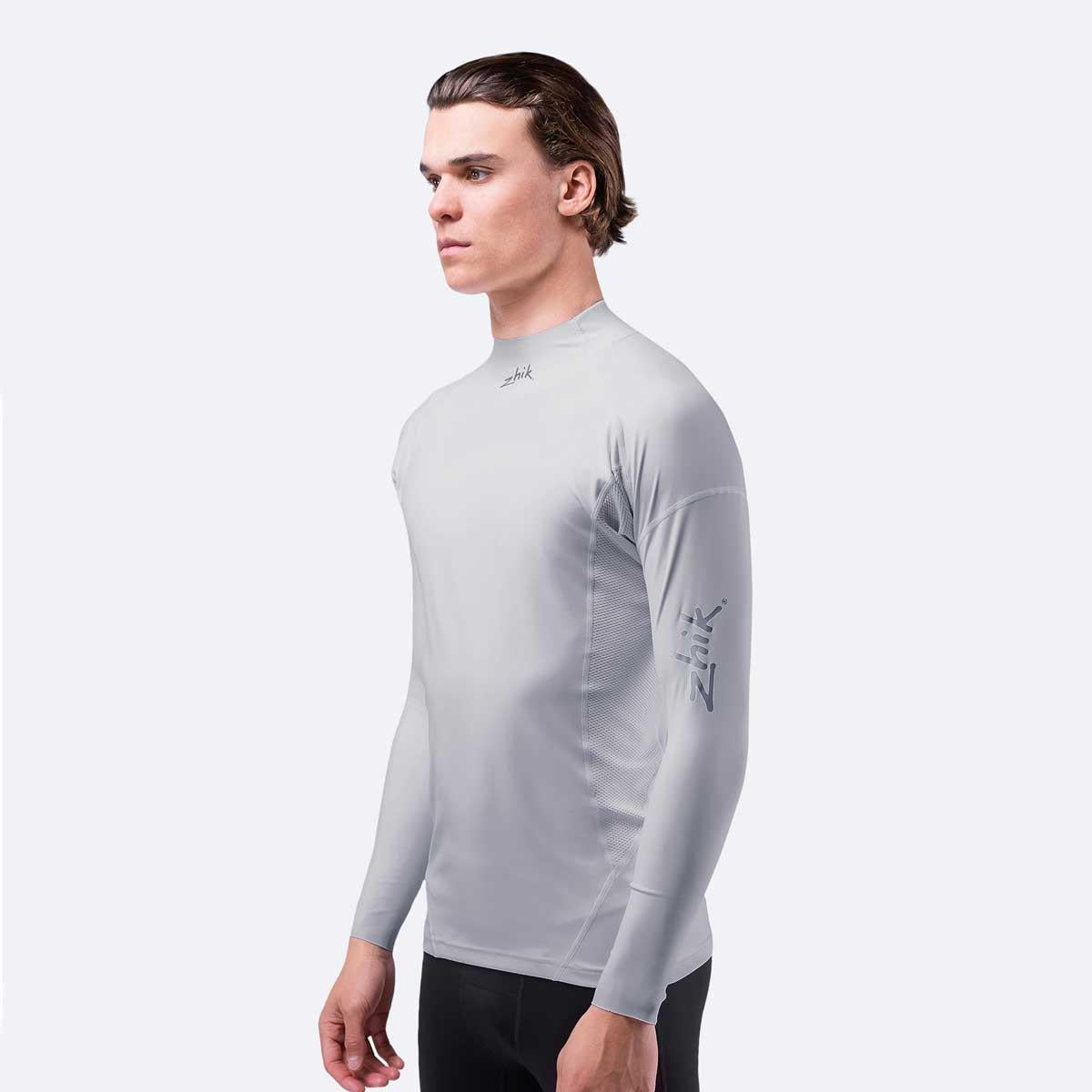
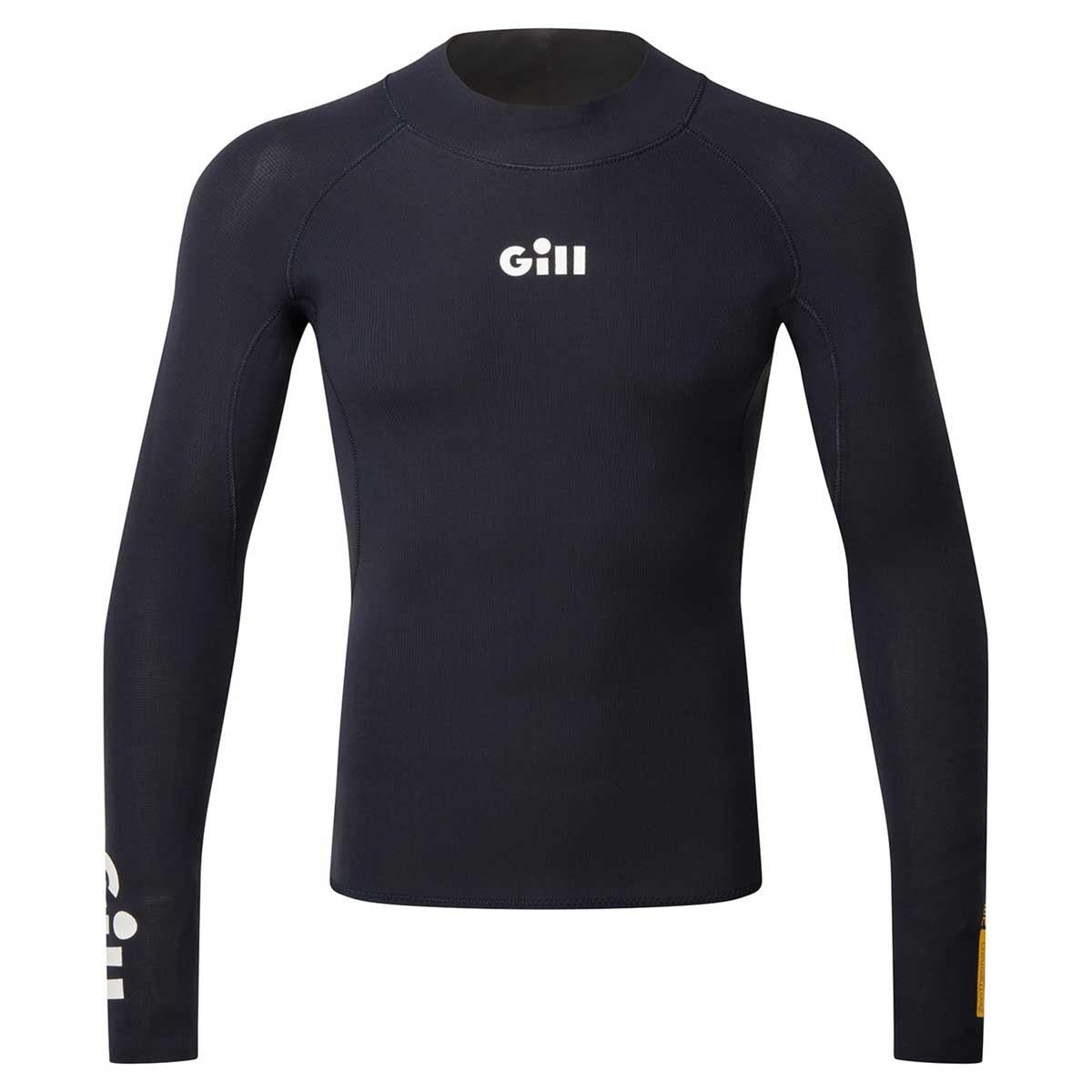
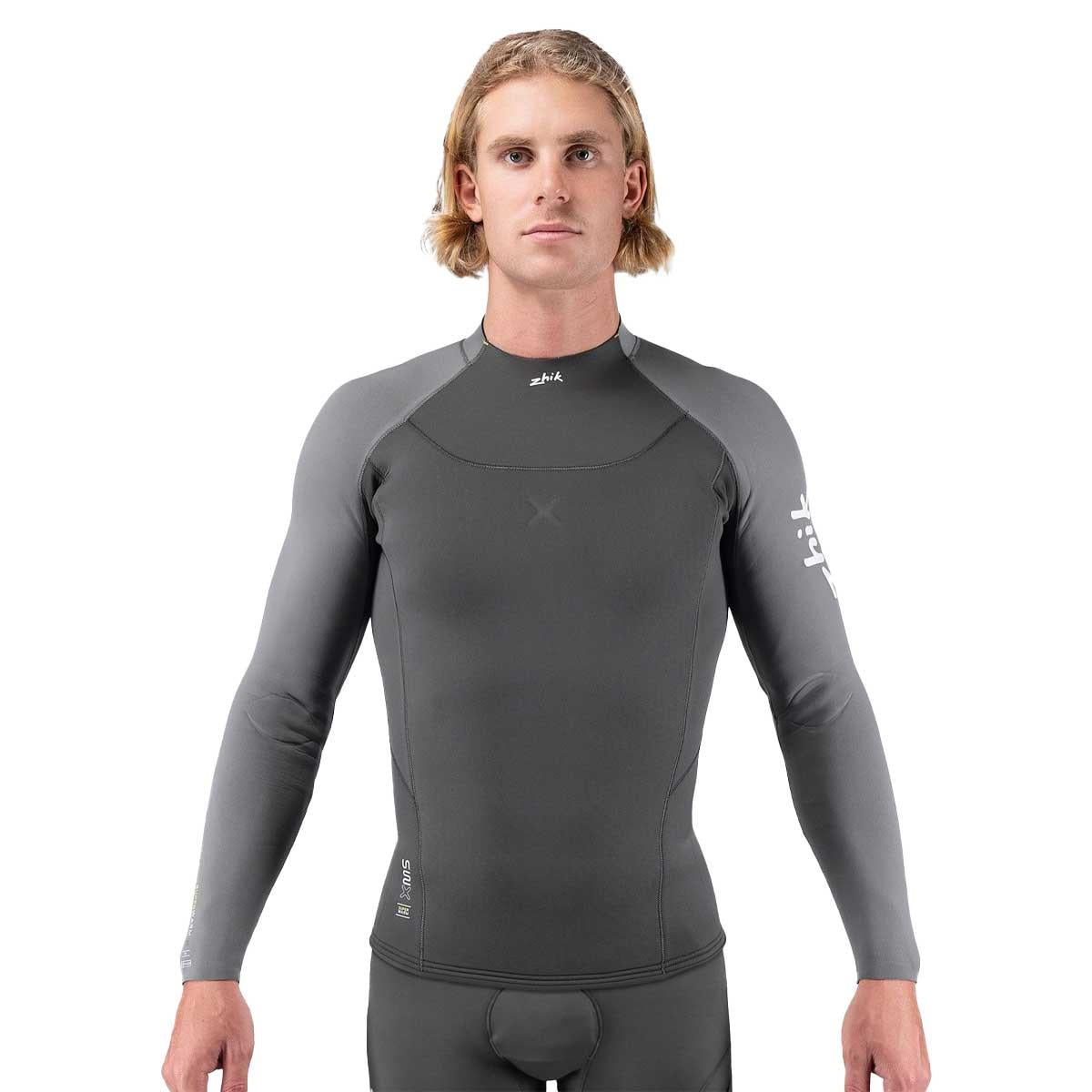
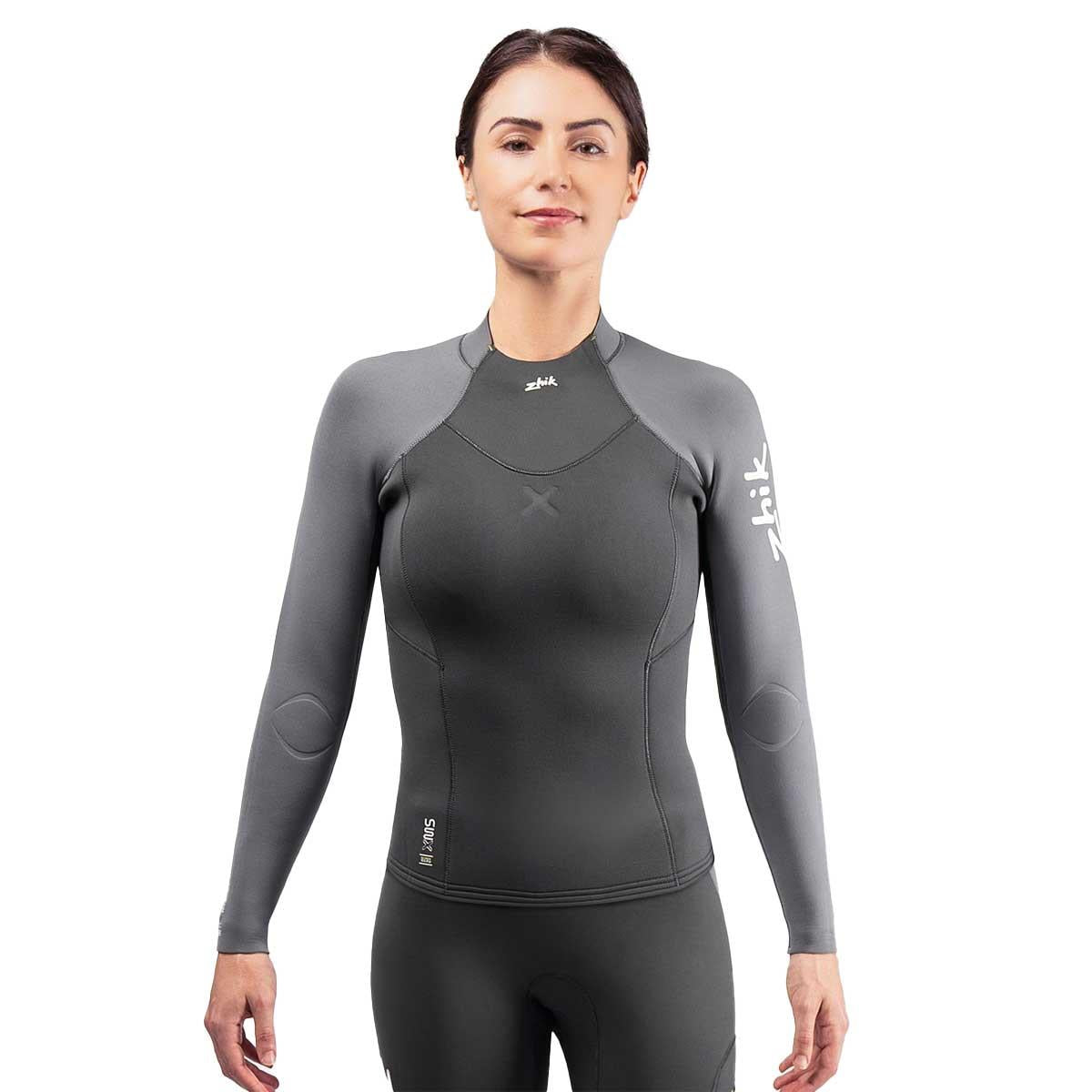
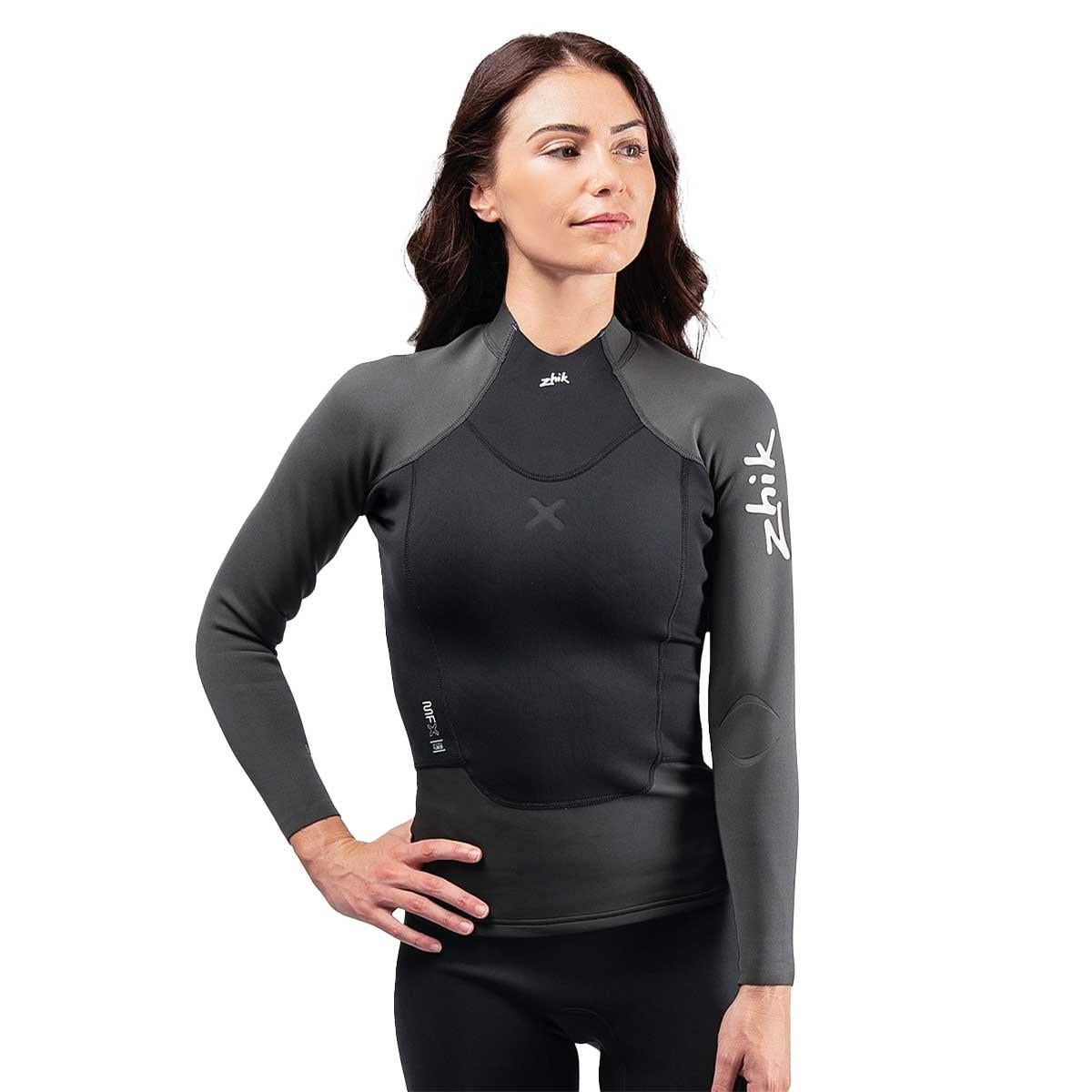
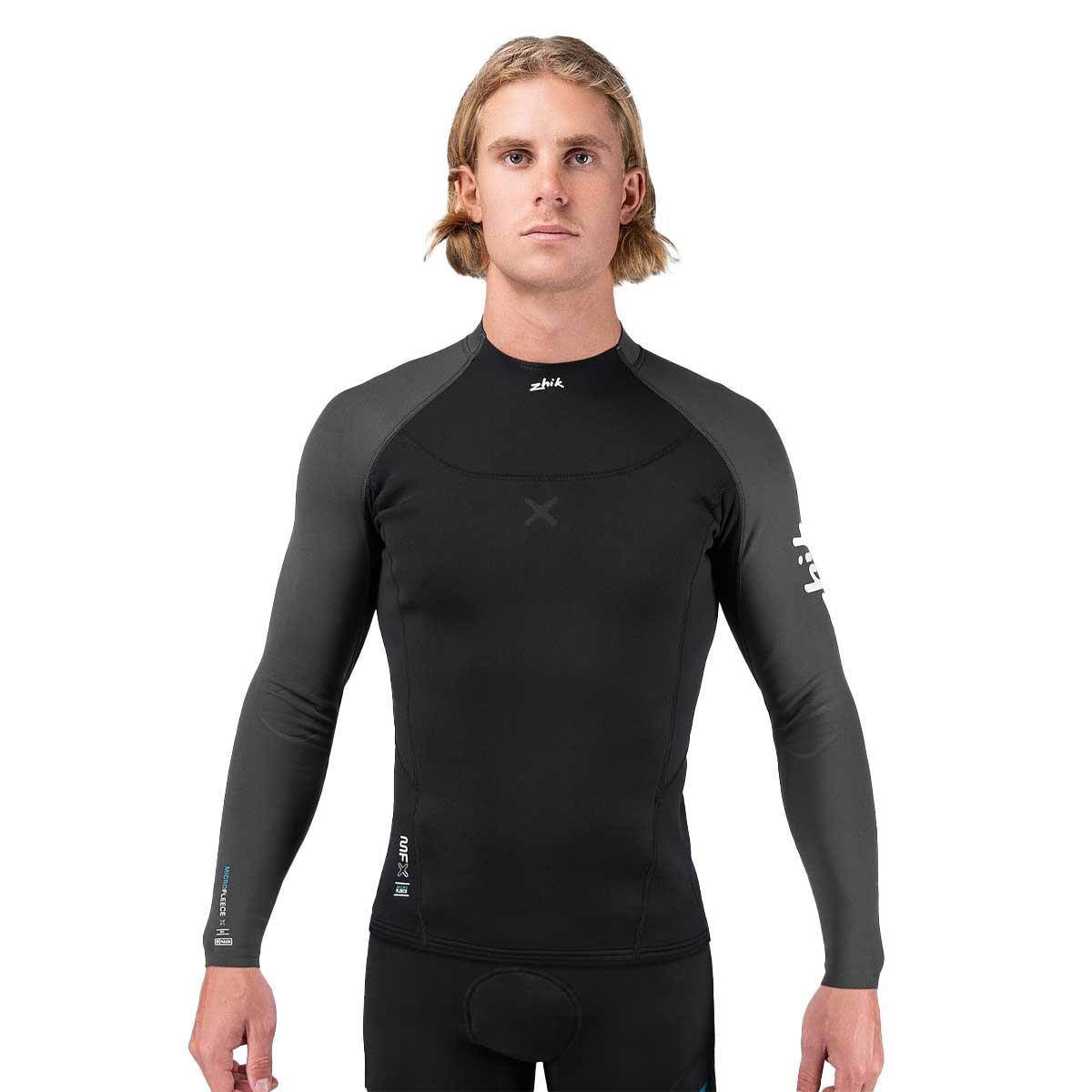
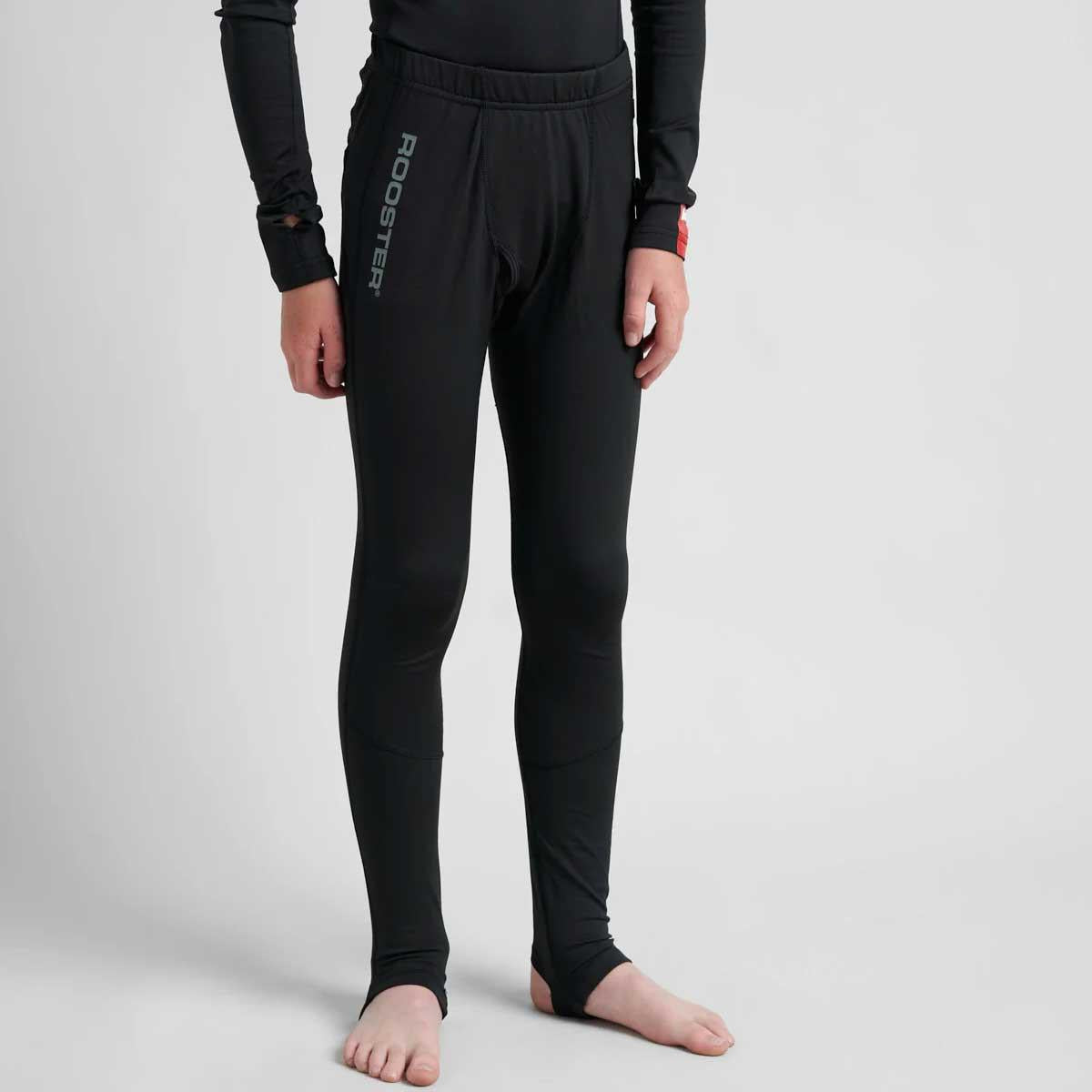
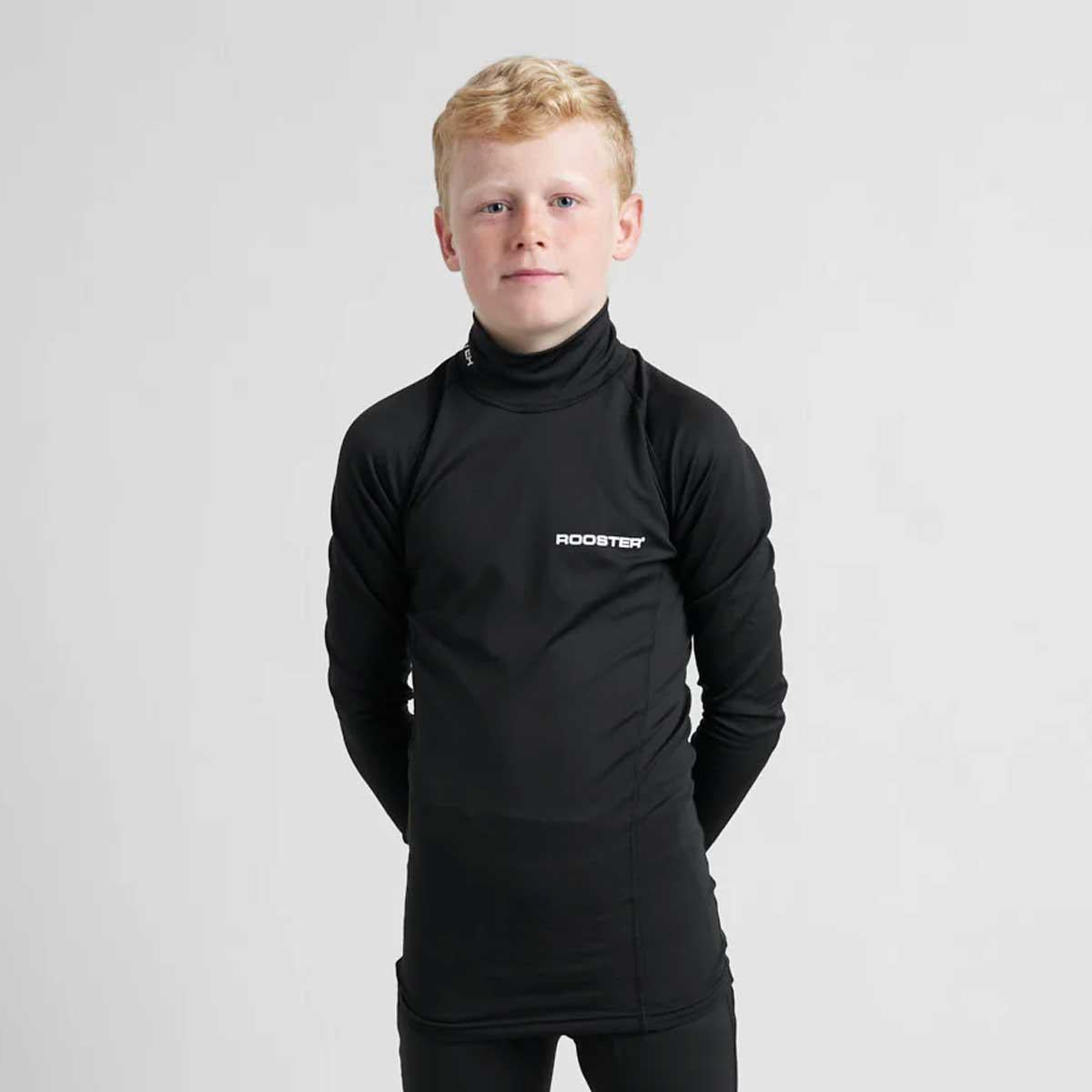
Rash vest from May to September, thermal top the rest of the year. A rash vest is thin, dries fast and protects your skin from the sun and from a wetsuit rubbing. A thermal top is thicker and holds warmth when wet, which is what you need when the water temperature drops. Both go under a wetsuit or long john, and both go under a spray top. See our base layers for the thermal options.
Can I wear a normal fleece under a spray top?
You can, but it will be heavy and cold once it gets wet, which it will. Sailing fleeces are made from fabrics that drain water instead of holding it, so a capsize does not leave you wearing a sponge. A walking fleece holds its weight in water and takes hours to dry. If you sail every week, a sailing specific mid layer is worth the money. If you sail twice a year, use what you have.
Do I need a womens or junior cut top?
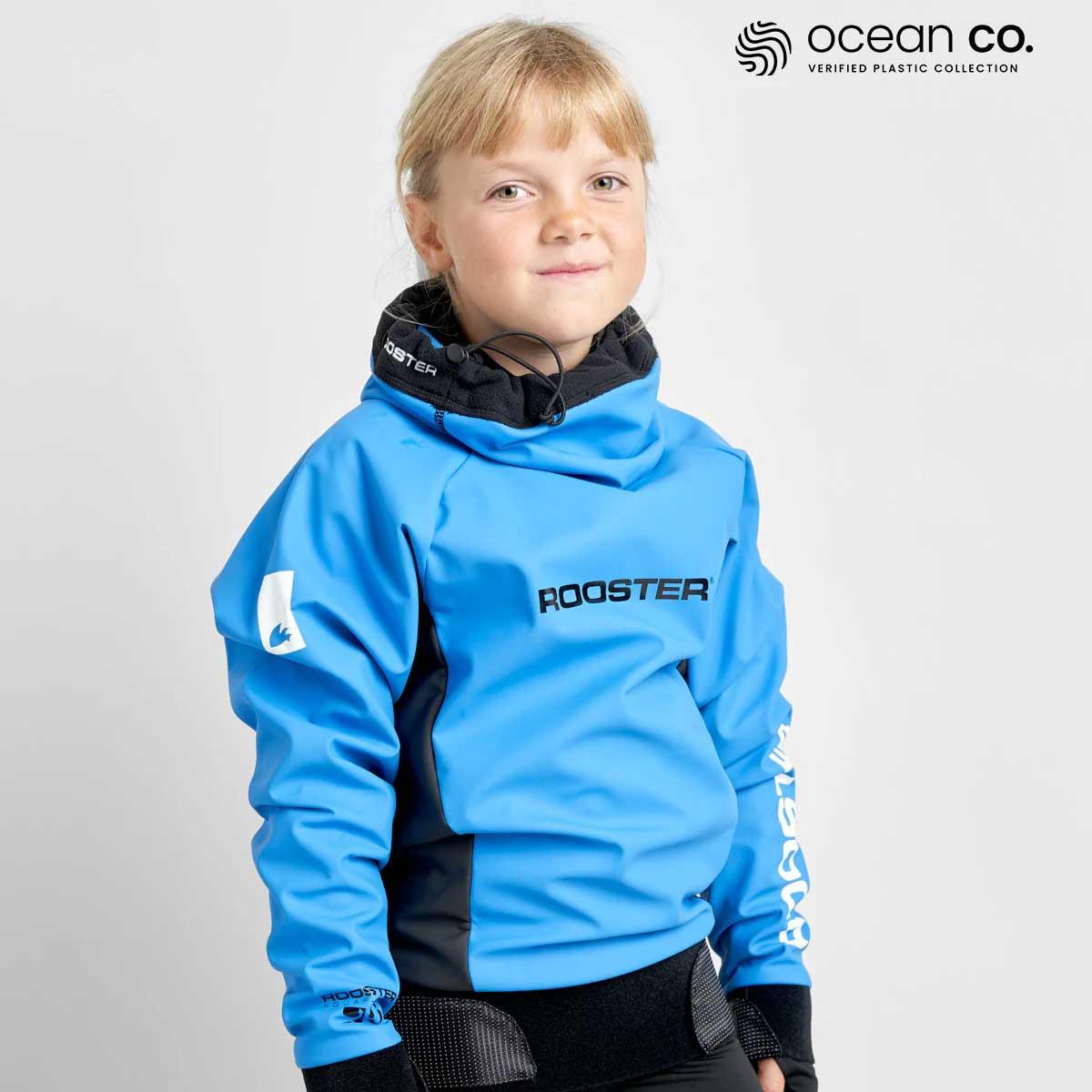
For rash vests and thermals, yes if one is available, because they sit against the skin and a bad fit lets cold water pool. Womens cuts have a shorter body and narrower shoulders, and junior cuts are shaped for a child rather than scaled down. Spray tops are more forgiving, and many sailors wear a unisex one happily. Try the cut made for you first and fall back to unisex if your size is out of stock.