Womens Long Jane Wetsuits FAQs
What is the difference between a long jane and a long john wetsuit?
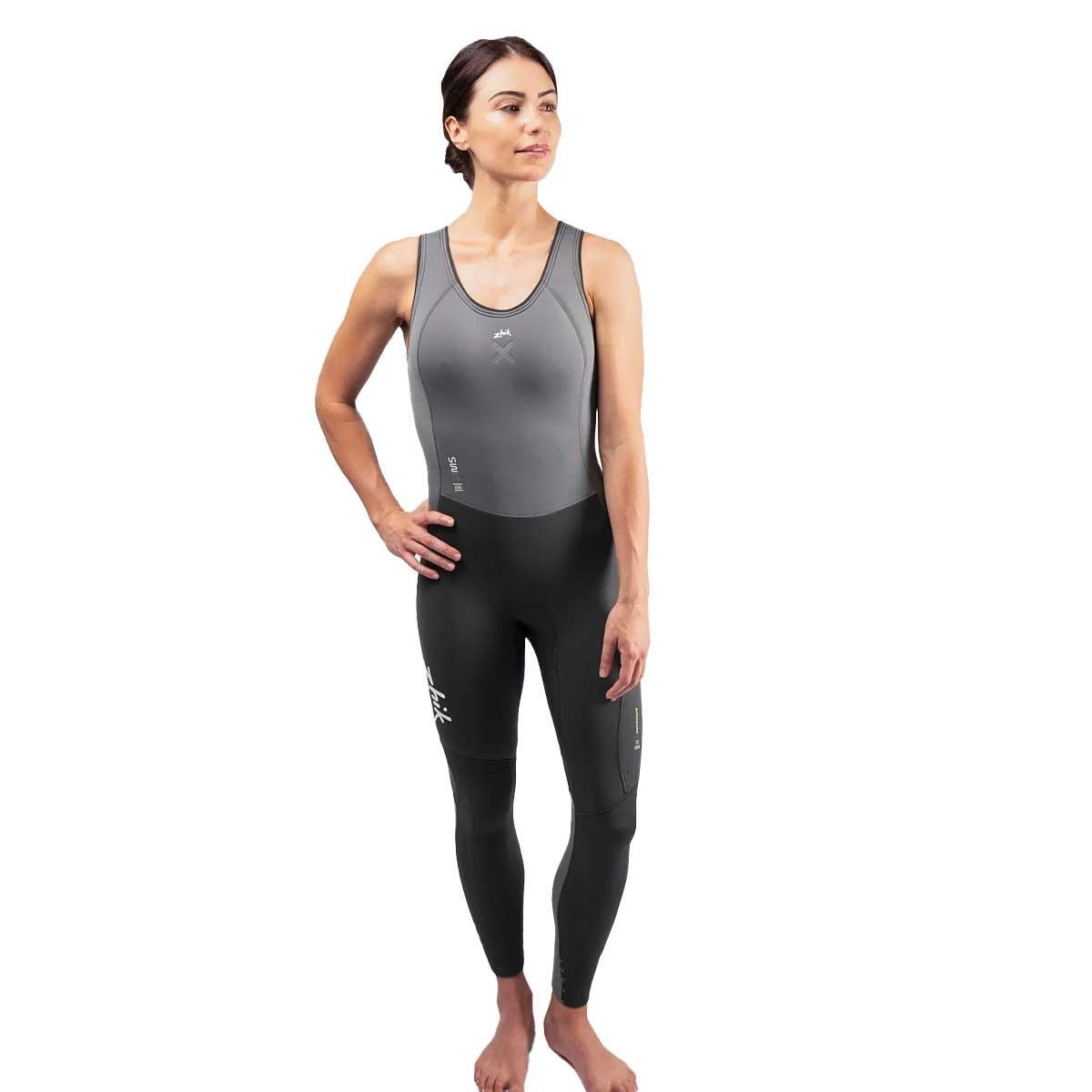
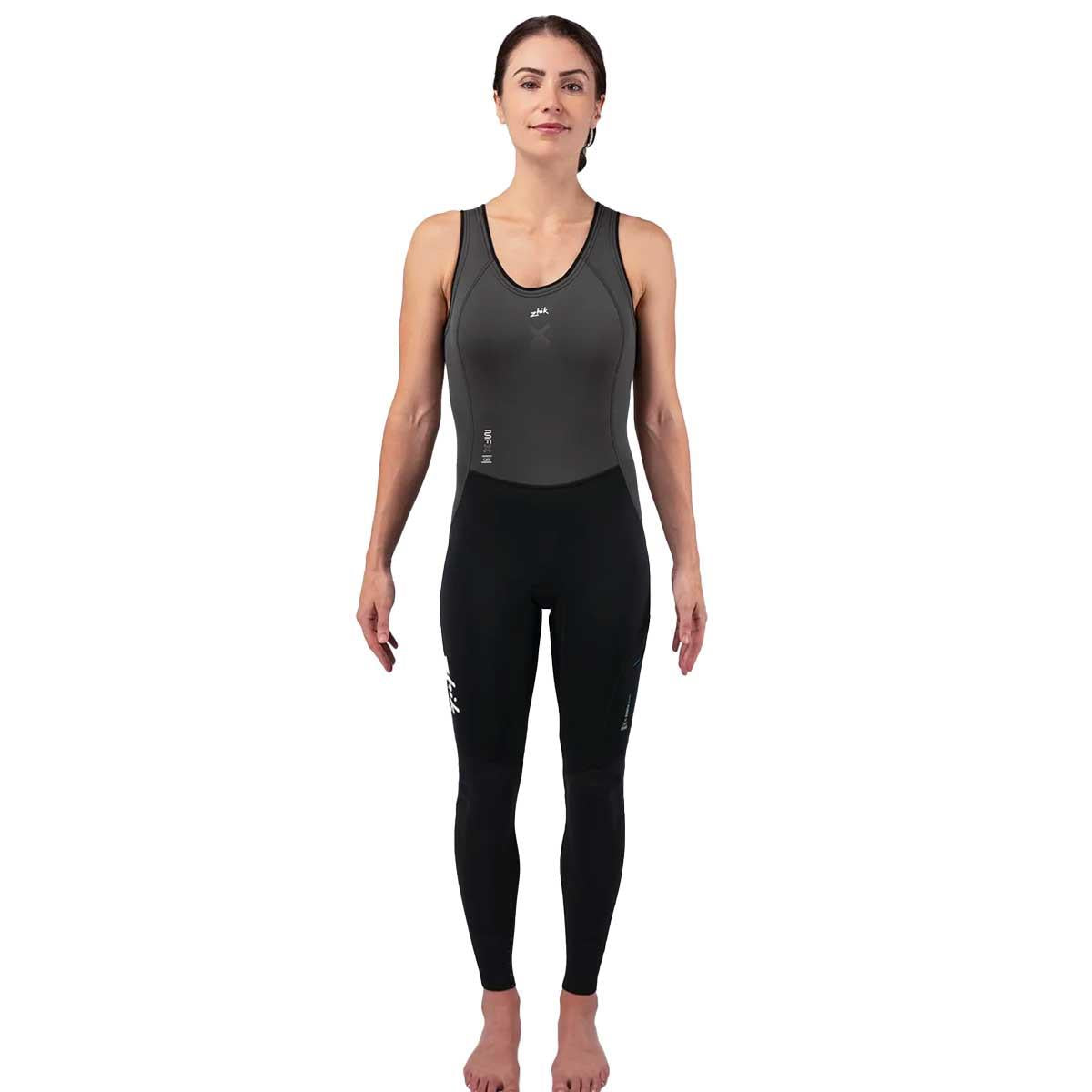
The cut. Both are sleeveless, full leg wetsuits for dinghy sailing. A long jane is patterned for a woman's body: shorter in the torso, narrower across the shoulders, and shaped through the chest and hips so there is no loose neoprene letting water pool. A long john in a small size is still cut for a man and tends to pull at the shoulders and bag at the waist. If a womens cut exists in your size, buy it.
Which weight of long jane do I need?
The warmer one if you sail between November and March, the lighter one if you stop when the clocks go back. The lighter suit is more flexible and better for hiking in summer and early autumn, but it will not keep you warm through a January club race. The warmer suit costs more and is a little stiffer, but it is the one that gets you on the water in the cold months. If you only buy one and sail all year, buy warm.
What do I wear under a long jane?
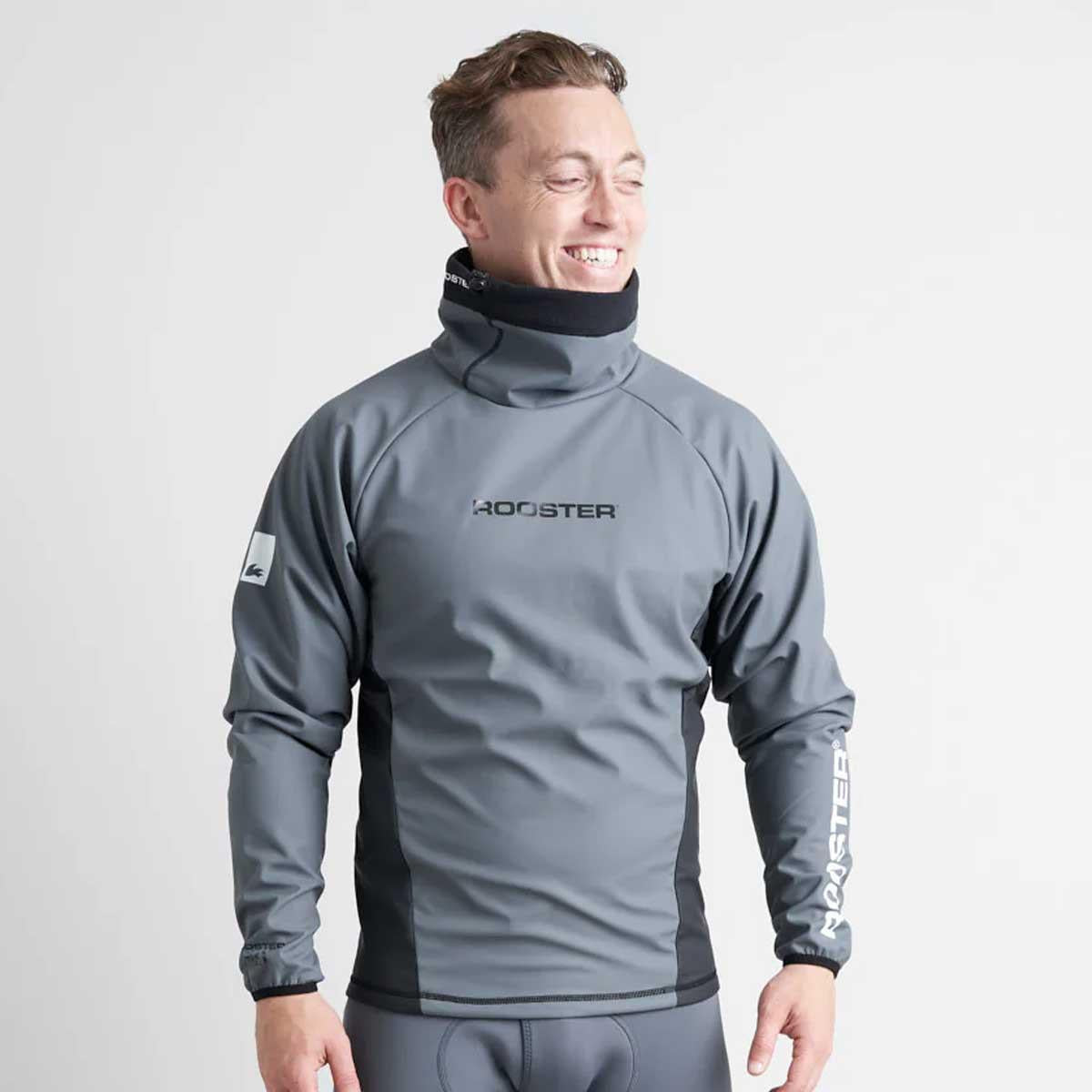
A rash vest in summer, a long sleeve thermal top in winter, and a spray top over everything once the wind is up. The suit is sleeveless, so your arms rely on what you layer on top. A thin thermal under the suit adds a lot of warmth without restricting movement. Avoid cotton, which holds water and chills you. See our spray tops for the outer layer.
How should a long jane fit?
Tight on land, comfortable in the boat. Neoprene relaxes a little when wet, so a suit that feels snug standing up will feel right once you are sailing. You should be able to crouch and reach forward without the suit pulling across your back, and there should be no gap at the small of your back when you stand straight. If you are between sizes, go down. Measure chest, waist and hips against the size chart rather than guessing from dress size.
Can I wear a long jane for other watersports?
Yes, but it is built for sailing first. A sailing long jane has reinforced seat and knee panels because dinghy sailors spend their time sitting on a gunwale and kneeling on a deck, and the sleeveless cut is chosen so you can work the ropes. For paddleboarding or kayaking it works well. For surfing you would want sleeves. Rinse it in fresh water and hang it to dry away from sun and radiators, and it will last several seasons.