Hiking Shorts FAQs
What are hiking shorts for?
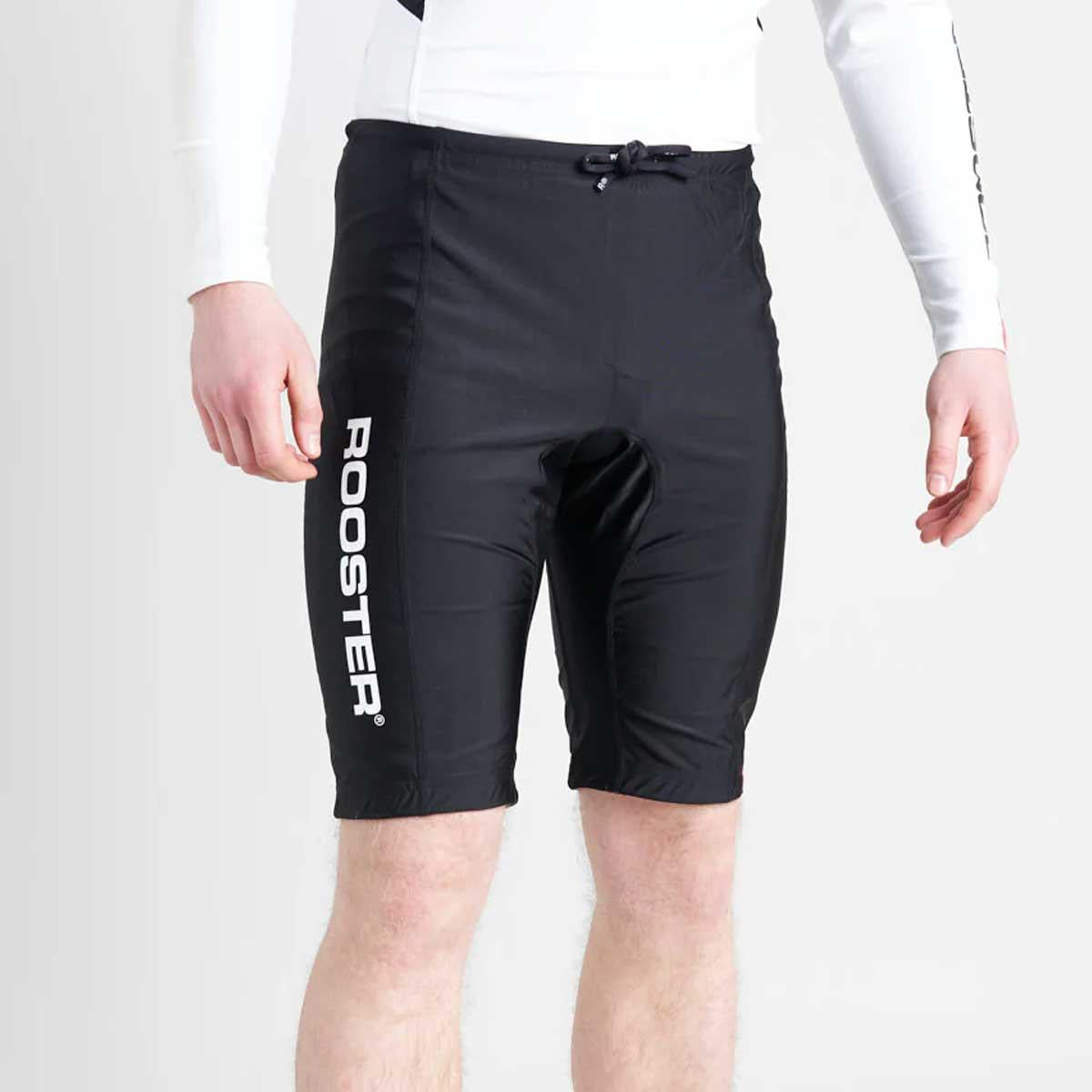
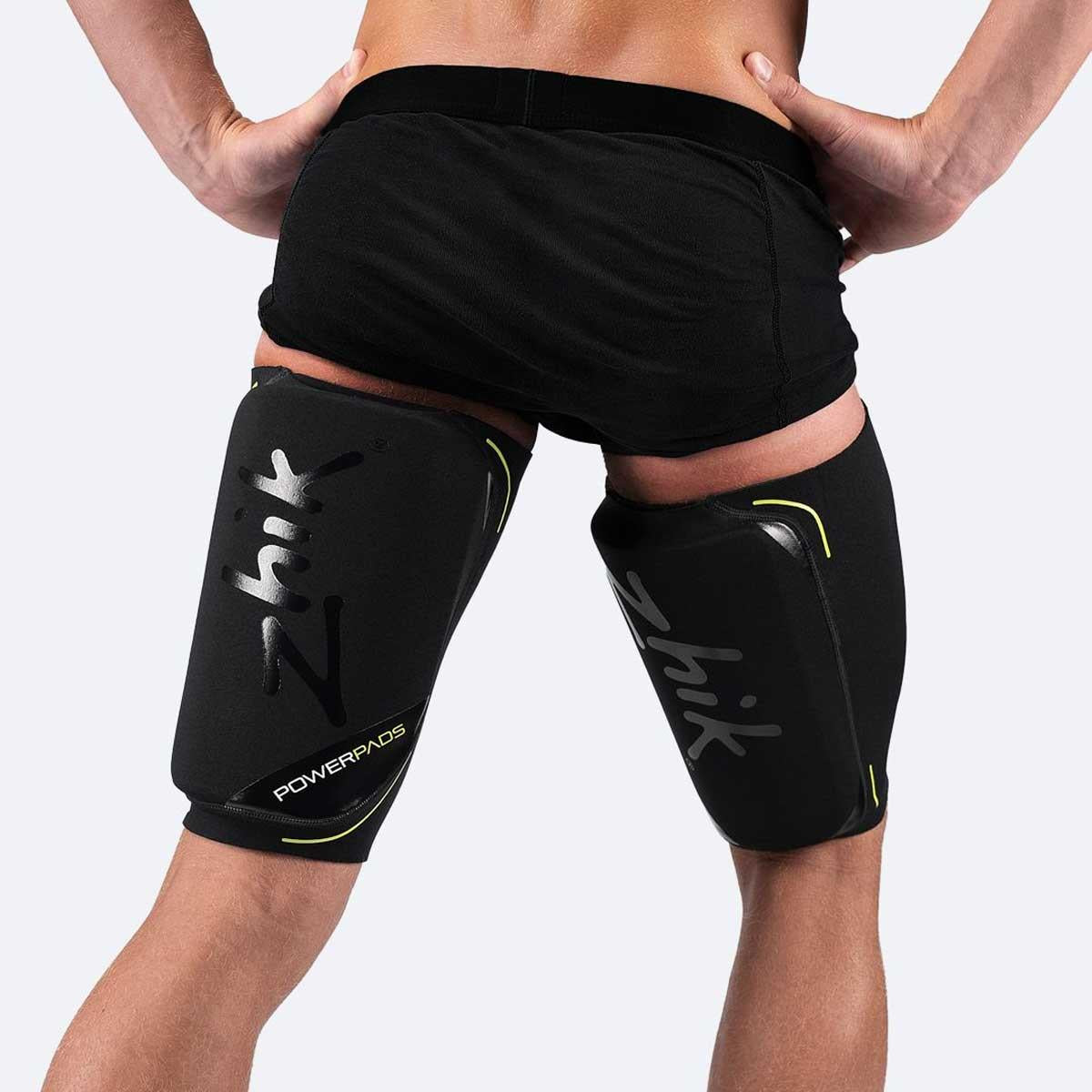
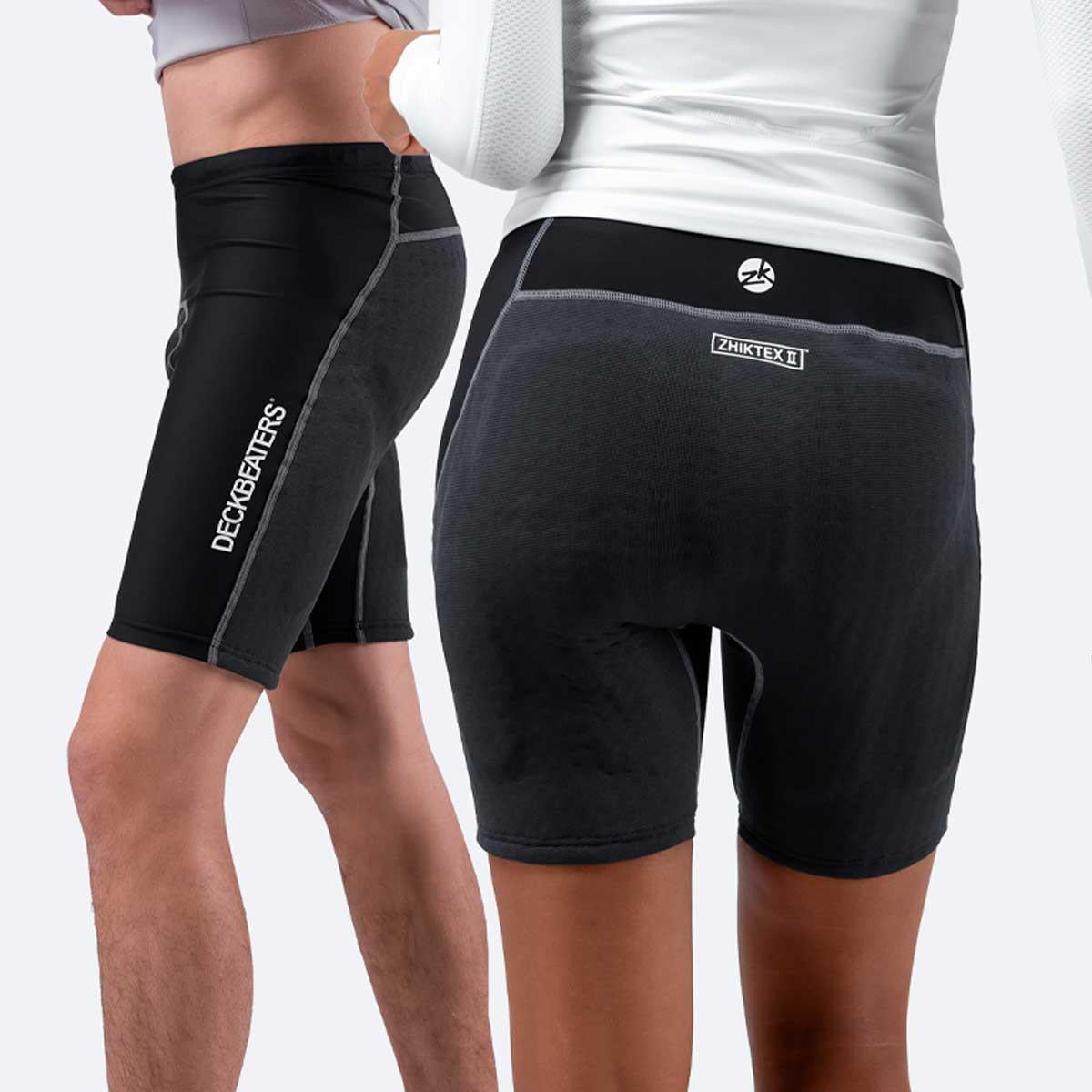
Padding your thighs and protecting your seat when you hike, without wearing a full padded wetsuit. They are shorts with a reinforced seat and padded thigh panels that go over a long john, skiff suit or neoprene shorts. The padding spreads the load of the gunwale across your legs so you can hike longer, and the seat takes the wear from the non slip deck instead of your wetsuit. Think of them as hiking pads and deck shorts in one garment.
Hiking shorts or hiking pads?
Shorts if you want one thing to pull on, pads if you want the padding and nothing else. Hiking shorts cover the seat as well as the thighs, so they protect your wetsuit through the tack and give you some grip on the deck. Strap on hiking pads are lighter and sit tighter against the leg, which some racing sailors prefer. For club sailing we would go shorts. For a hiking singlehander raced every weekend, pads or hikers.
What do I wear hiking shorts over?
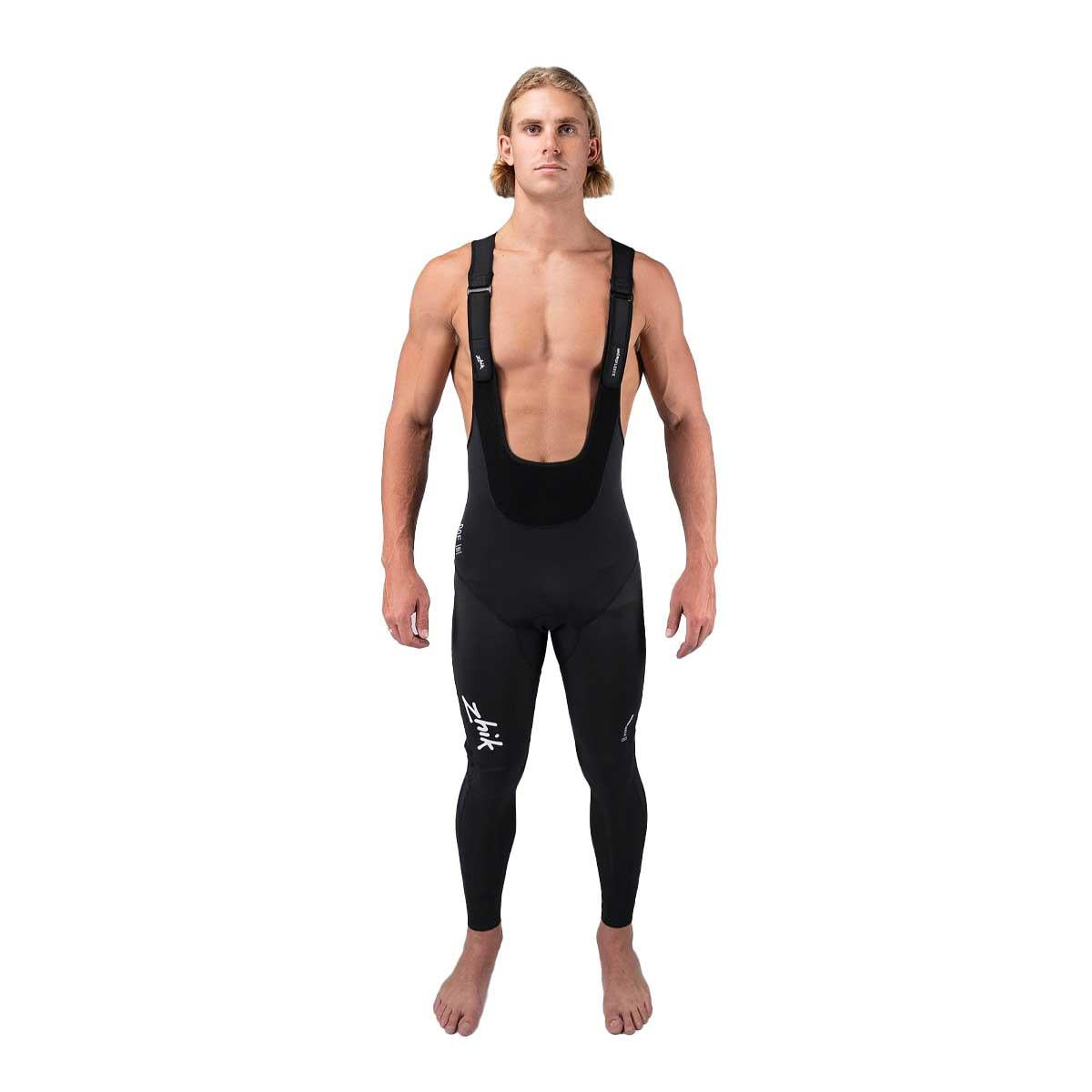
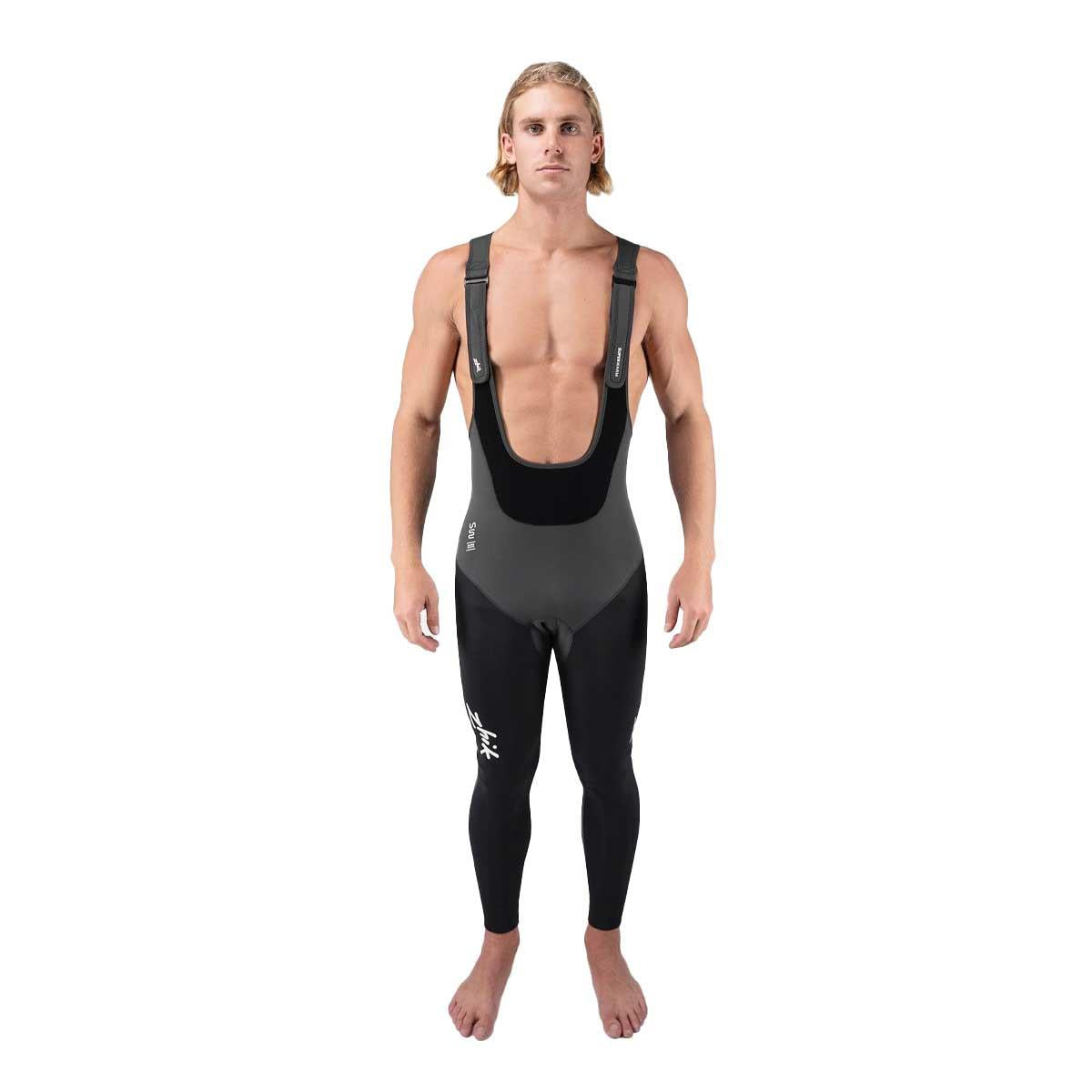
A long john or skiff suit most of the year, neoprene shorts and a rash vest in summer. They are an outer layer, so the suit goes underneath and the shorts take the abrasion. In high summer some sailors wear them over just swimming shorts, which works for padding but offers no warmth if you go in. Whatever is underneath, size the shorts to fit over it. See our dinghy sailing wetsuits for what goes beneath.
How should hiking shorts fit?
Snug on the waist so they do not slide down when wet, and close on the thigh so the padding sits where the gunwale lands and does not rotate when you tack. The pads should sit across the top of the thigh when your leg is bent in a hiking position, not down on the knee. Try them over the suit you sail in, and if you are between sizes over a thick suit, go up one.
How long do hiking shorts last?
Several seasons if you rinse them, because the whole point is that they wear instead of your wetsuit. The seat panel goes first, usually where you slide across a non slip side deck. Rinse them in fresh water after every sail, hang them to dry out of the sun and check the seat each spring. When the reinforcement has worn through, replace them. They are a lot cheaper than the wetsuit they are protecting.