Sailing Sunglasses FAQs
Do I need polarised sunglasses for sailing?
Yes, and it is the one feature not to compromise on. A polarised lens cuts the glare bouncing off the water, which is most of the light hitting your eyes on a sunny day. The difference is not just comfort: with the glare gone you can see the darker patches of a gust coming down the course and the ripple line where the wind fills in. Non polarised lenses dim everything equally and leave the glare in place.
Will sailing sunglasses stay on when I capsize?
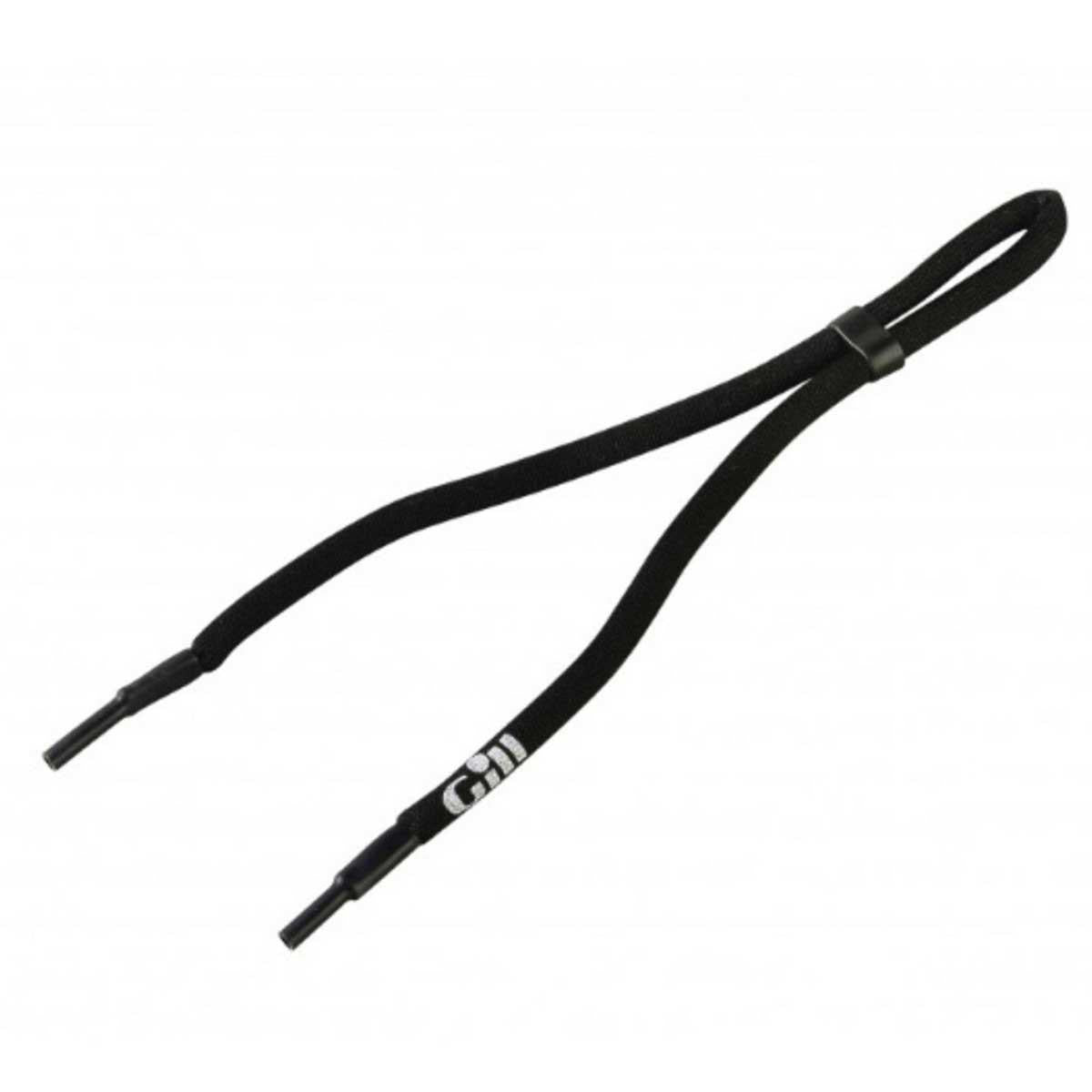
Only with a retainer. Sailing frames grip better than high street frames, with rubber on the nose and arms, and most will survive a hike and a tack. A capsize or a hard gybe is a different matter. A retainer cord round the back of your head keeps them with you, and a floating retainer means you can fish the pair out if the cord slips. Sunglasses themselves do not float. Buy the cord with the glasses, not after you lose the first pair.
What lens colour is best for sailing?
Grey or smoke for bright days, since it keeps colours true and cuts the most light. Brown or amber lenses boost contrast, which some sailors find helps pick out gusts on a flat grey day. Avoid very dark lenses for UK sailing, where the light changes fast between cloud and sun and you want to keep reading the water through both. Whatever the colour, check the lens is polarised and blocks UV.
Can I wear my normal sunglasses for sailing?
For a sunny afternoon pottering, yes. For racing, probably not. High street frames slide down a wet nose, fog up when you are working hard, and sit badly under a cap. The lenses are often not polarised, which is the bit that actually helps on the water. If you already own a polarised pair with a close fit, add a retainer and give them a go. If not, a sailing specific pair is the better buy.
How do I stop sailing sunglasses getting scratched?
Rinse them in fresh water after every sail before you wipe them, because salt crystals on the lens are what cause the scratches when you rub a dry lens with a sleeve. Dry them with a soft cloth, never a towel or a wetsuit arm. Keep them in a case in the kit bag rather than loose with the boots. Treated this way a pair lasts several seasons. Dropped on the slipway, it lasts one.