Sailing Rash Vests FAQs
Long sleeve or short sleeve rash vest for sailing?
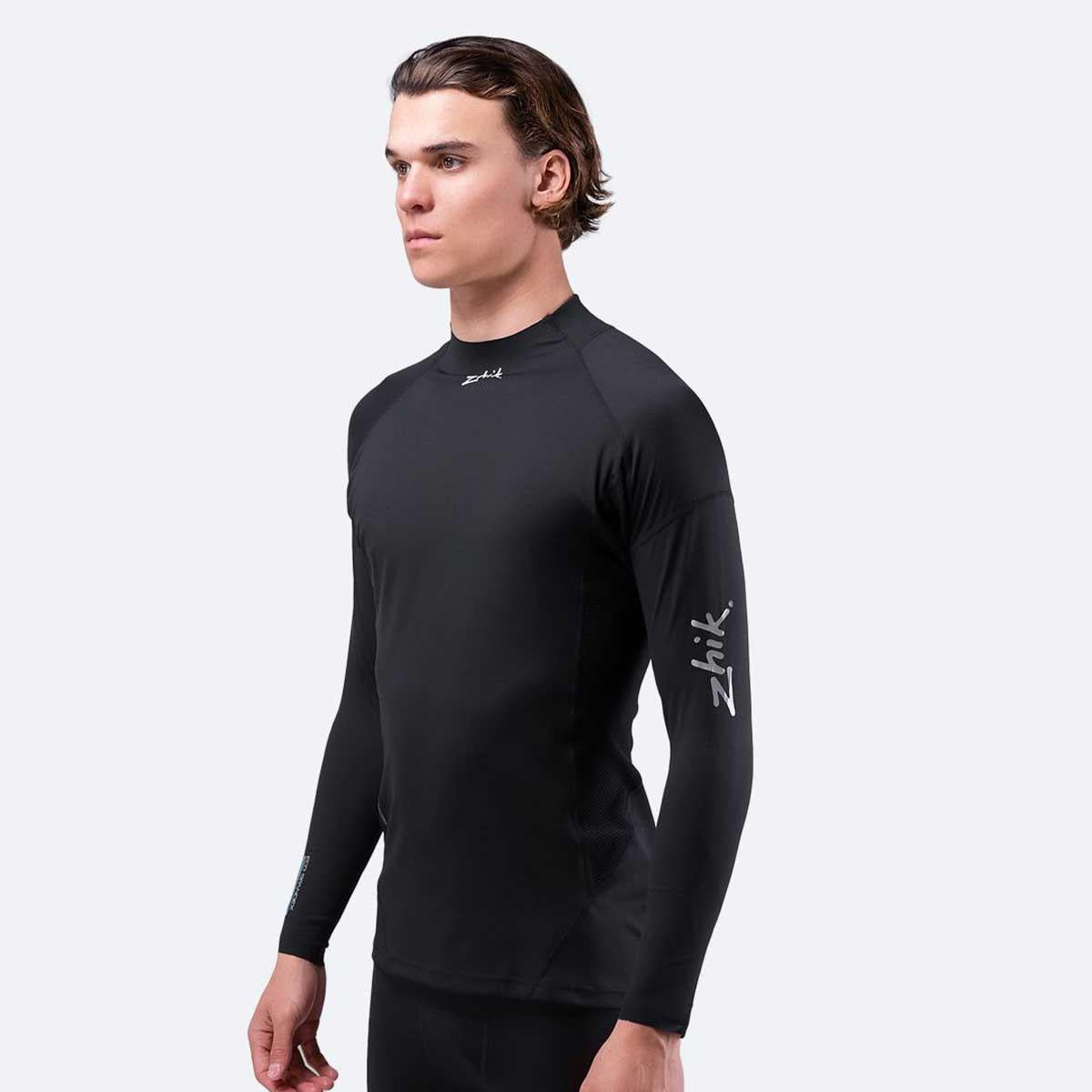
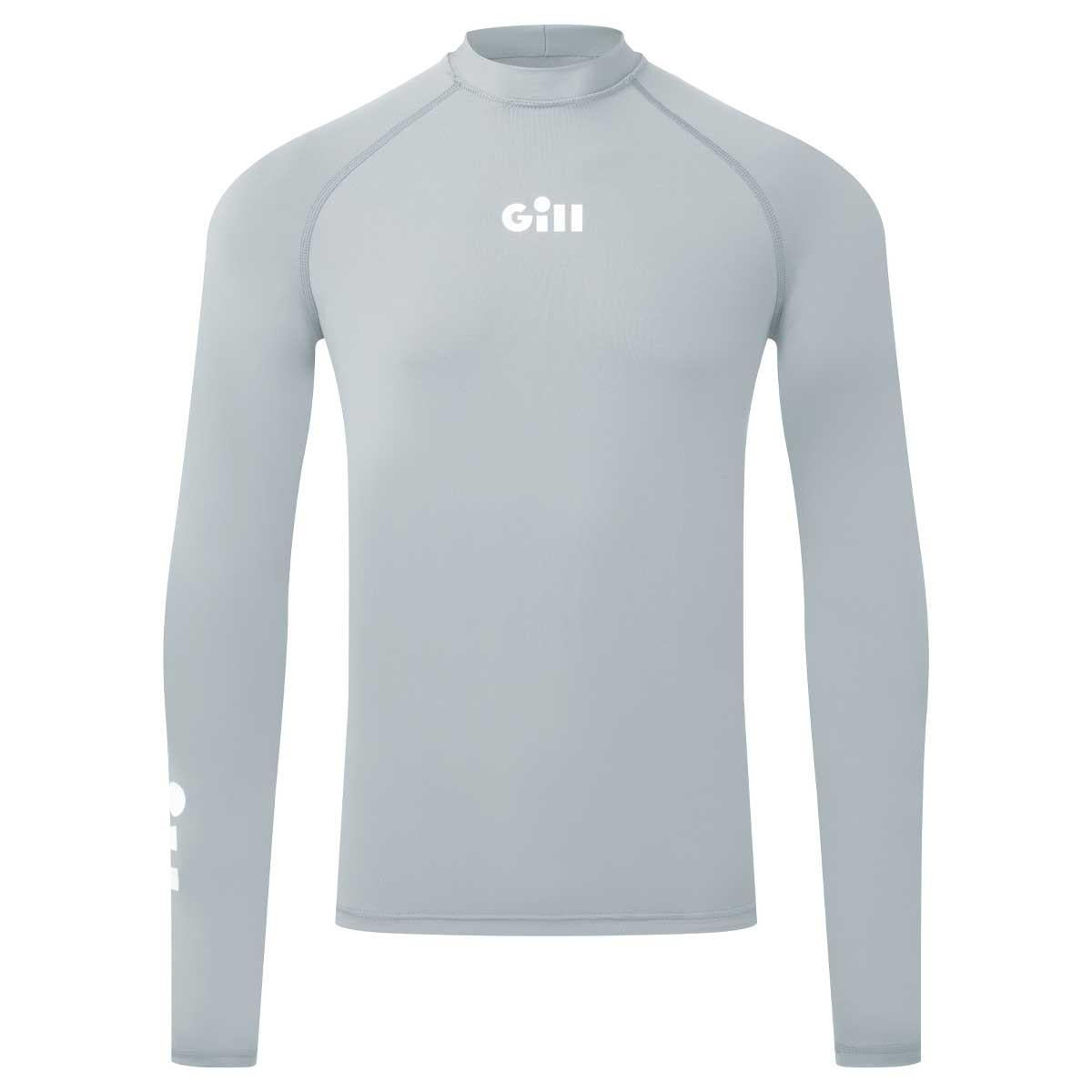
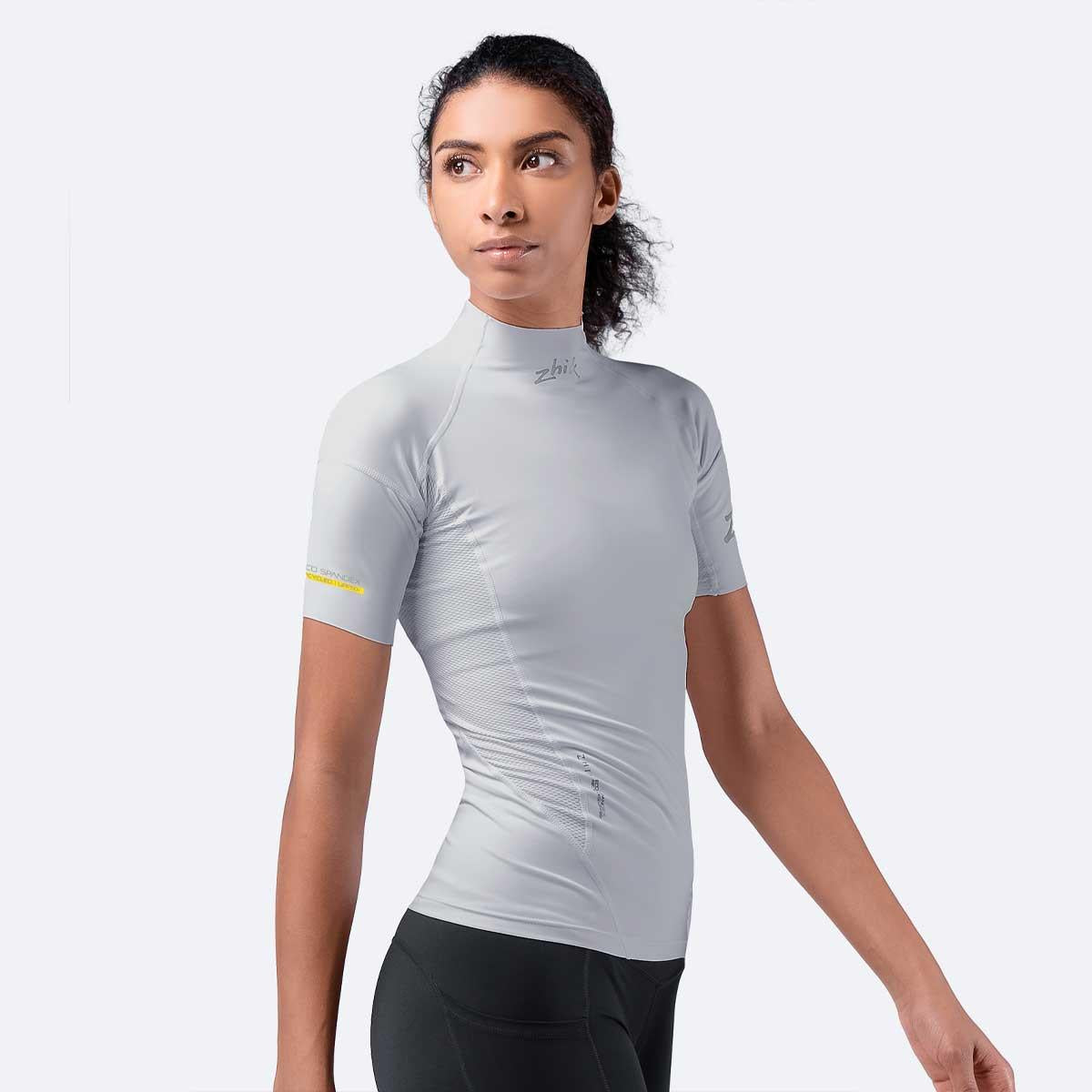
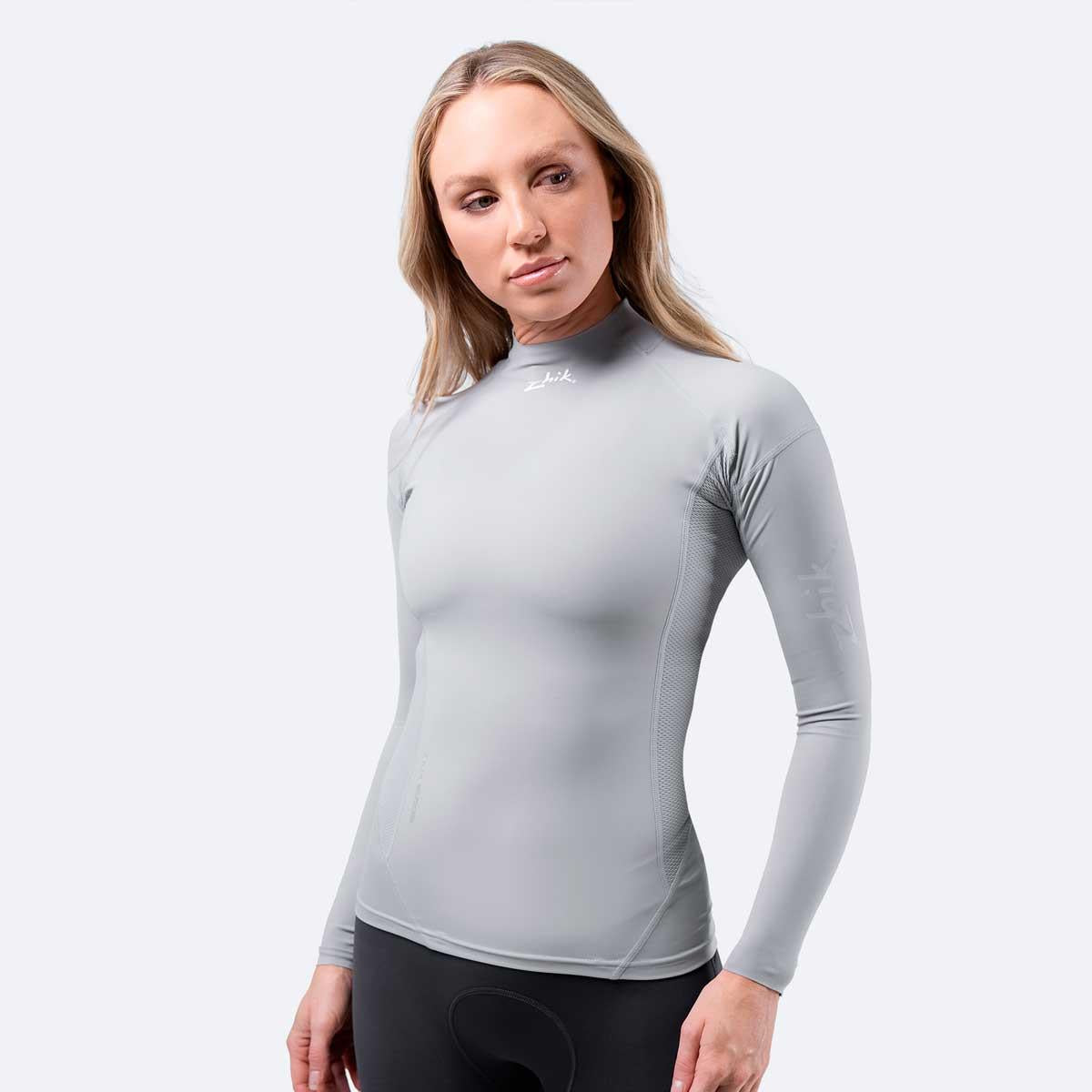
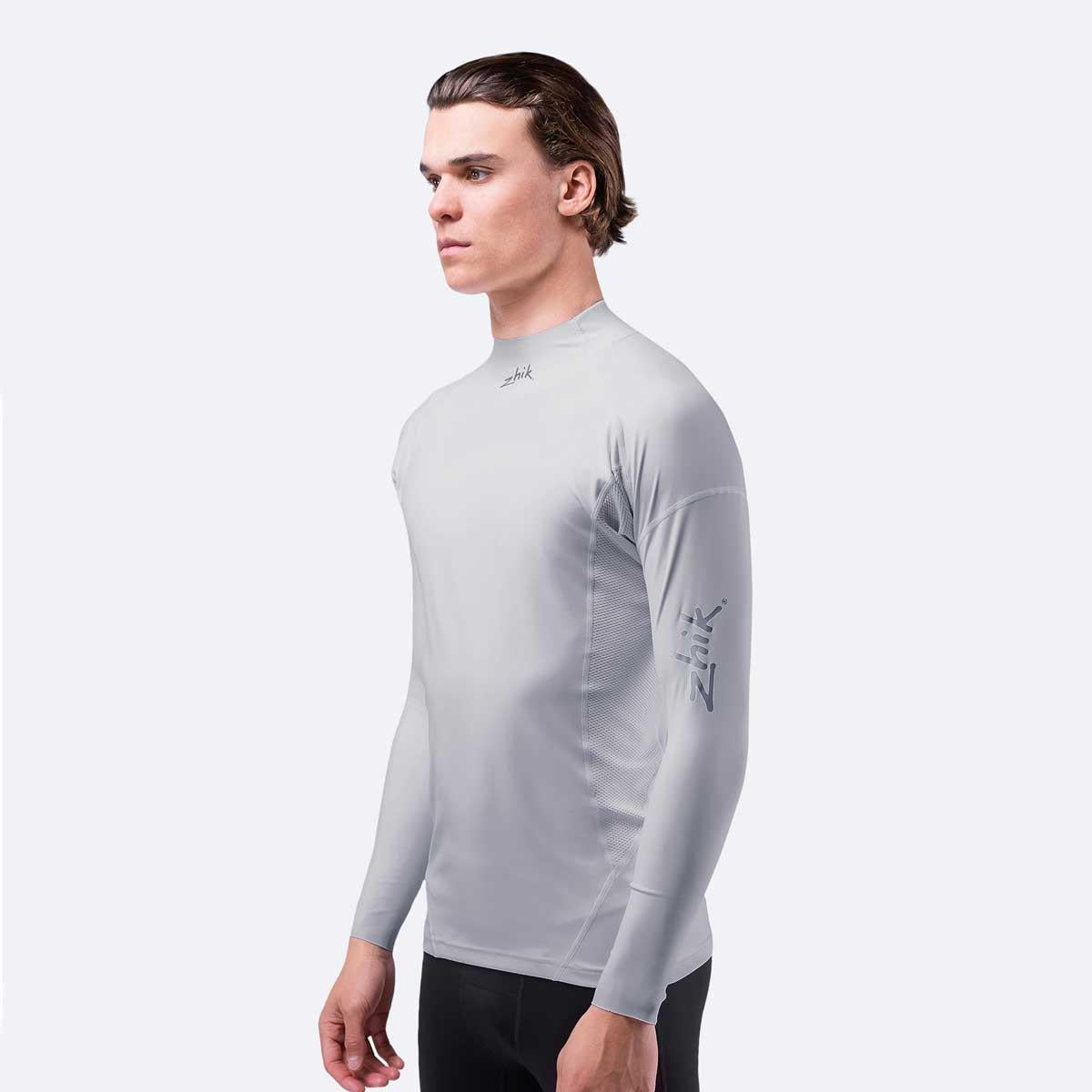
Long sleeve for most dinghy sailors. Your forearms take the sun all day on a beat and take the mainsheet on every tack, and a long sleeve covers both. It also works under a long john in spring and autumn, where a short sleeve leaves a cold gap at the arm. Short sleeve is the better buy for a hot inland Sunday in a boat with a lot of cockpit, or for a junior who runs warm.
Do I wear a rash vest under a wetsuit?
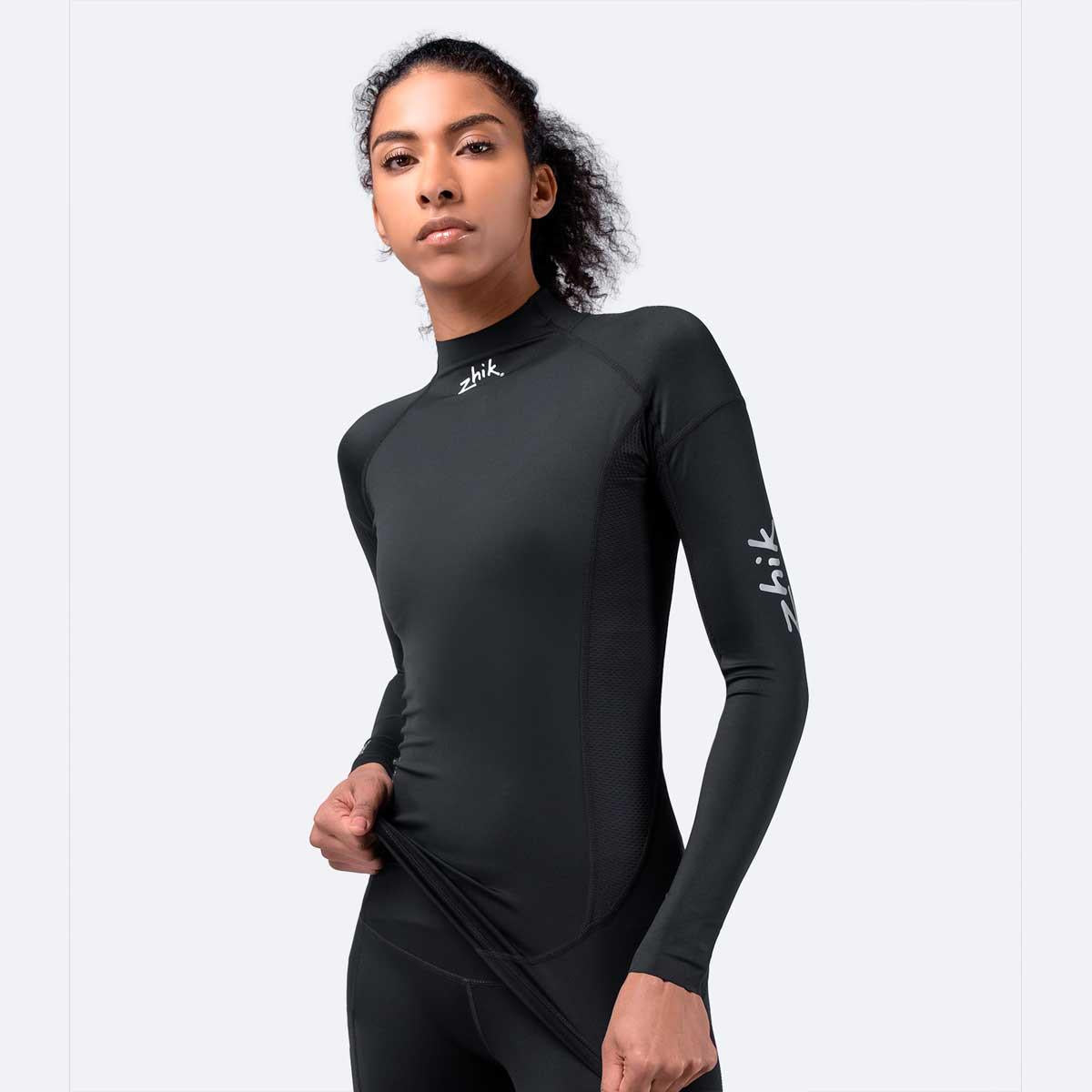
Yes, and it is the main reason to own one. A thin rash vest under a long john or skiff suit stops the neoprene chafing under your arms and across your chest, and makes the suit far easier to pull on and off when it is wet. In summer it is all you need underneath. From September, swap it for a thermal top, which does the same job and adds warmth. See our base layers.
Is a rash vest warm enough on its own?
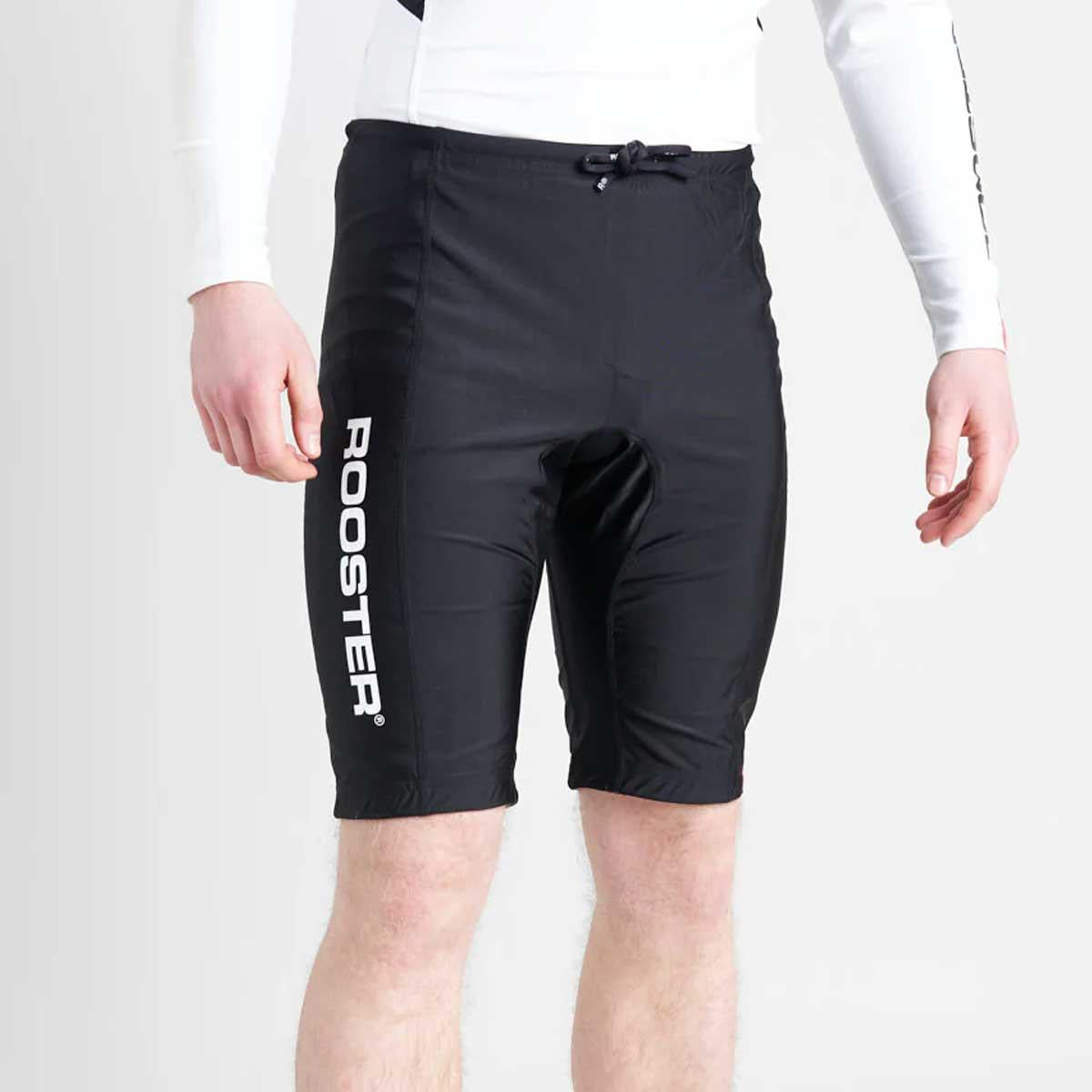
On a warm day with little wind, yes, and it is what most club sailors wear from June to August over shorts or neoprene shorts. It is not a warm layer, it is a sun and chafe layer. The moment the wind picks up or you capsize, you will want a spray top over it. If the day is cold enough that you are thinking about a wetsuit, wear the rash vest under the suit rather than instead of it.
How should a rash vest fit?
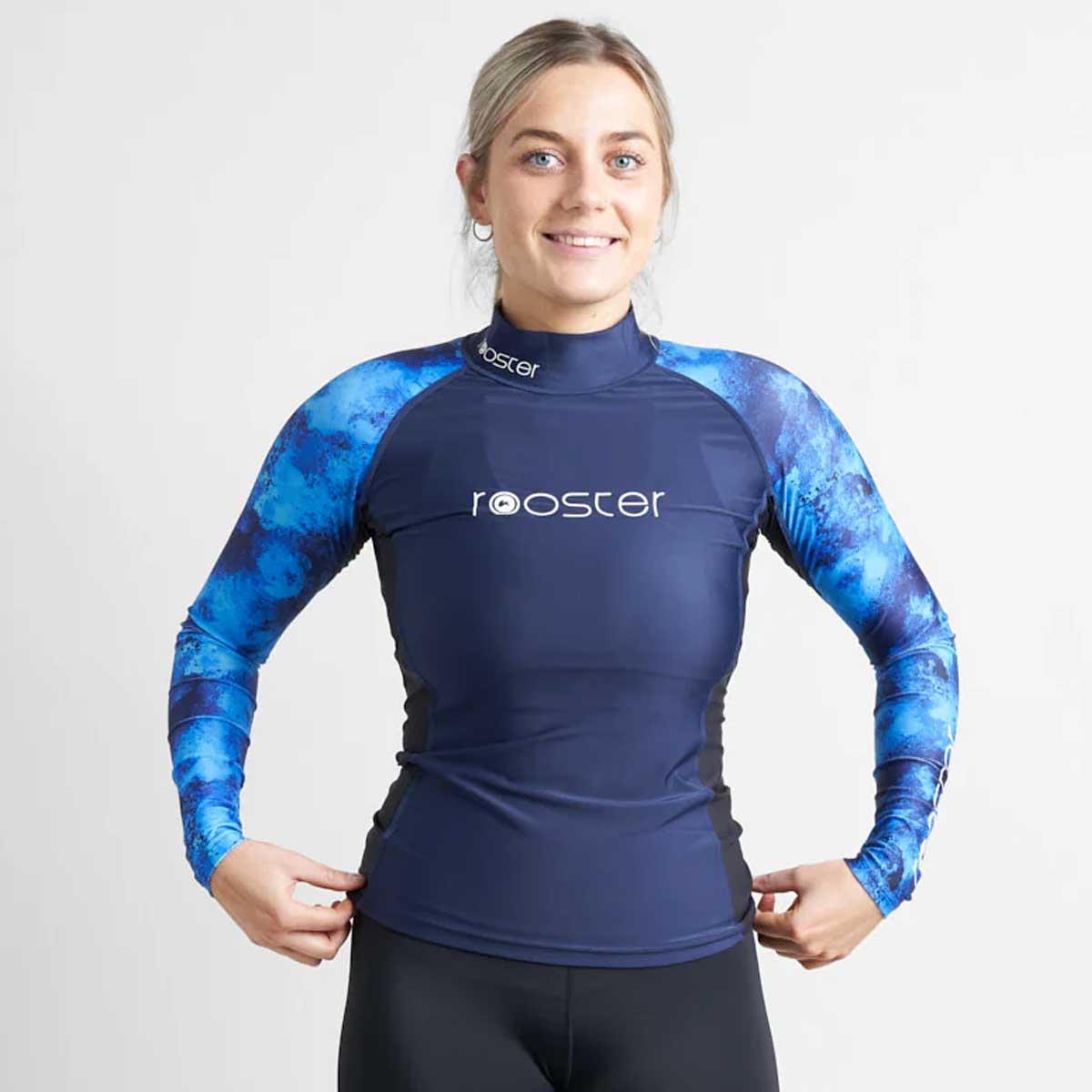
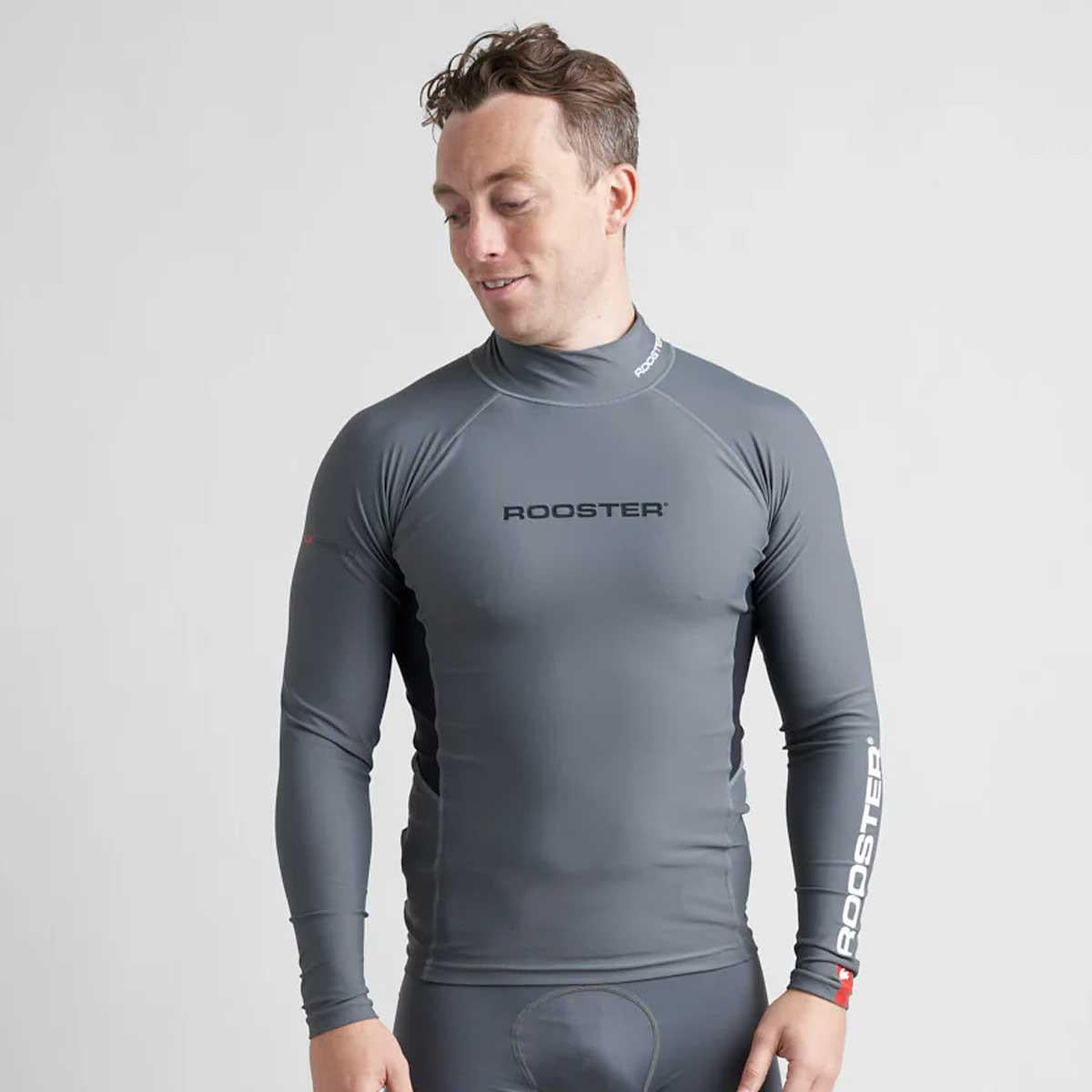
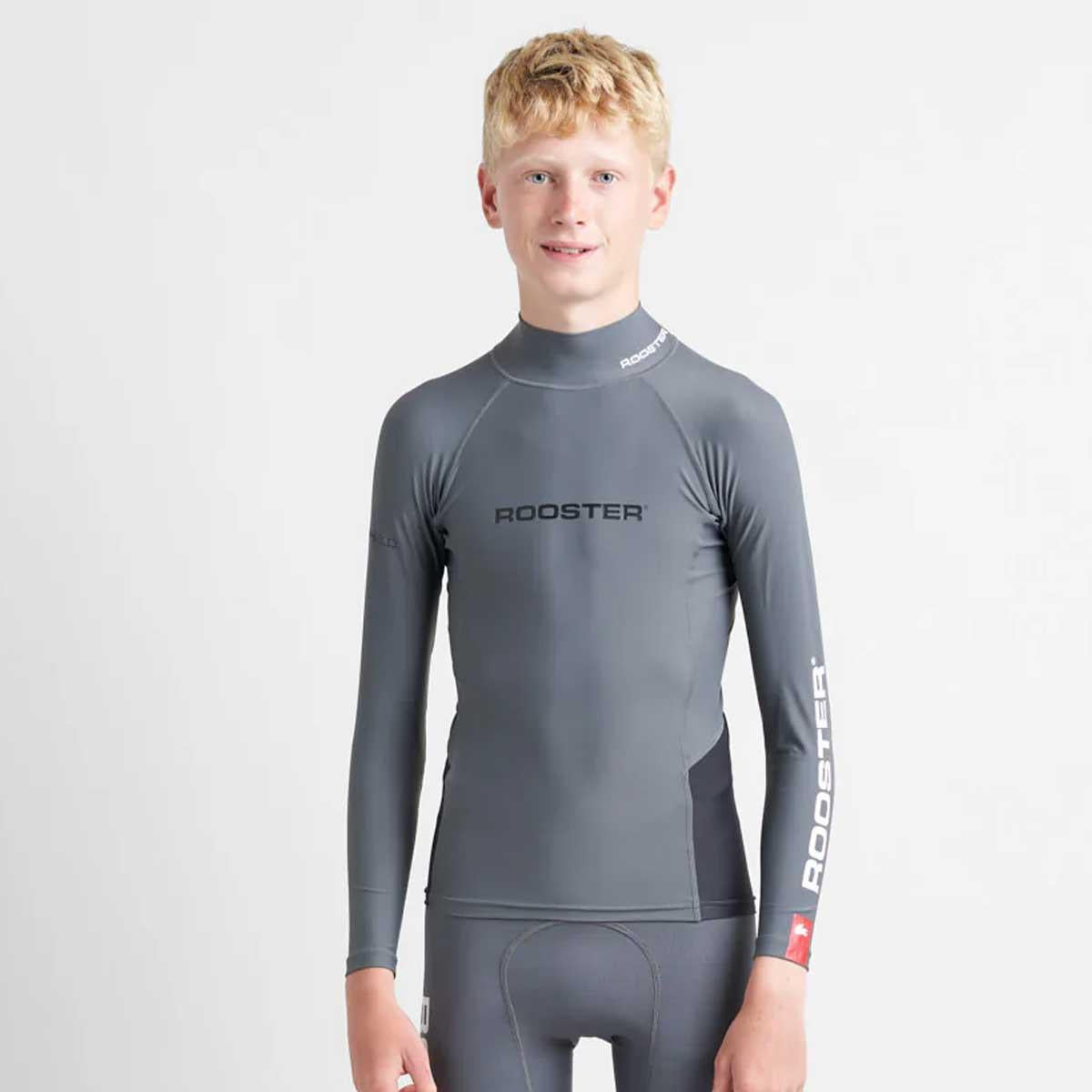
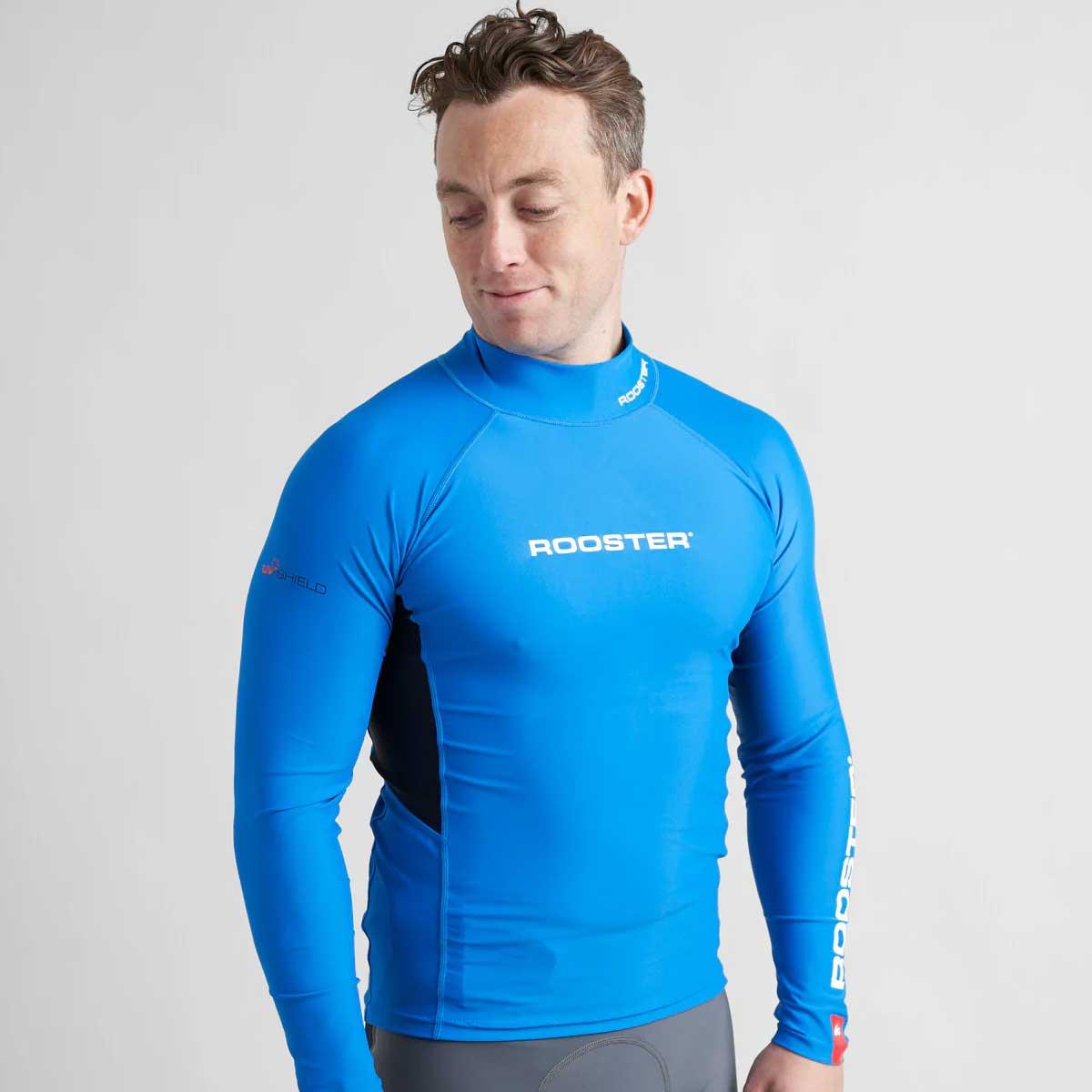
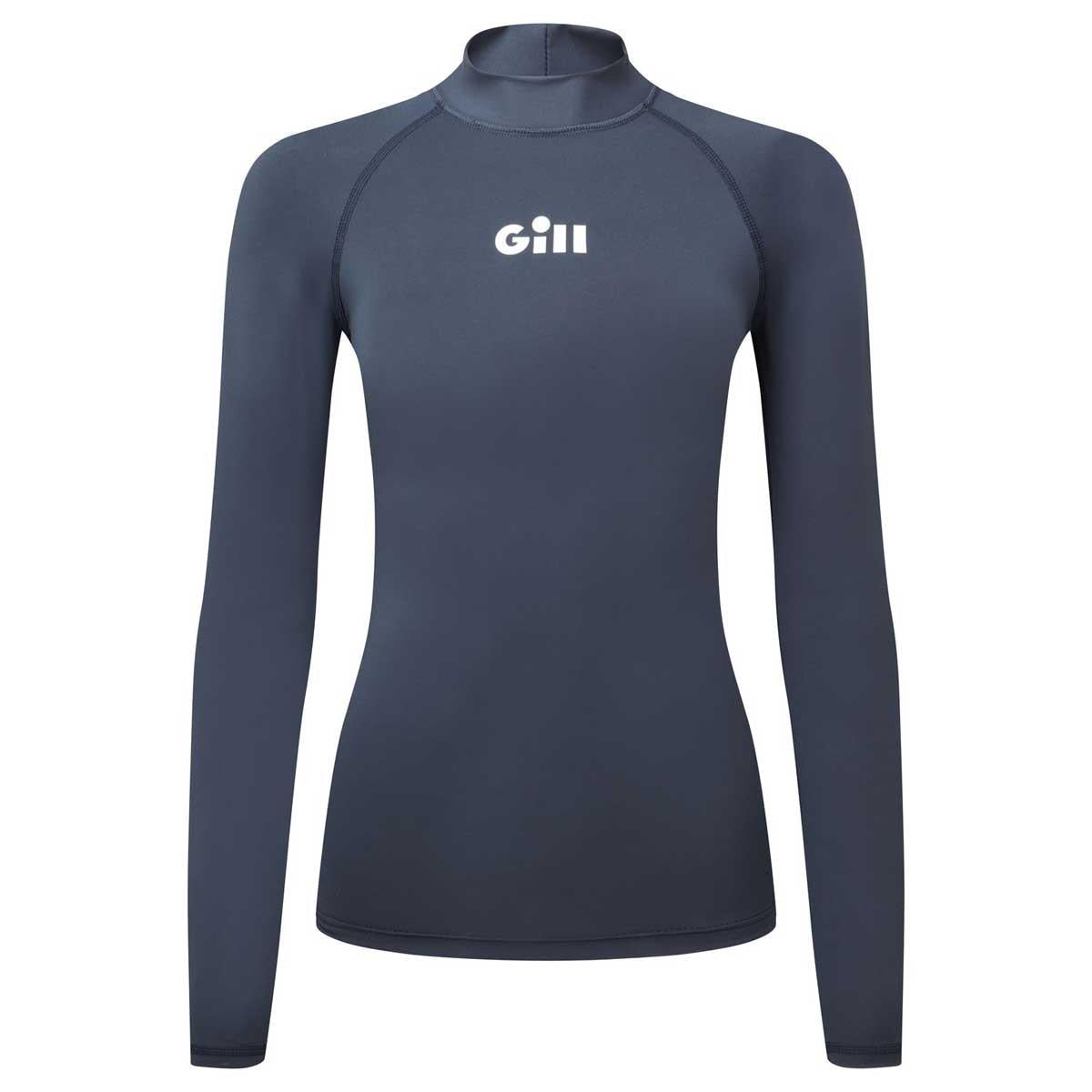
Tight. A rash vest only works against the skin, so there should be no loose fabric anywhere, and the body should be long enough to tuck into a long john and stay tucked when you hike. Go for your usual size or one down if you are between sizes. Womens cuts have a shorter body and narrower shoulders and are worth buying over a mens small. Junior sizes are cut for a child, not scaled down.
Does a rash vest protect against the sun?
A good one does, and on the water it matters more than people think, since the sun comes off the water as well as from above. Most sailing rash vests carry a UPF 50 rating, which blocks almost all UV through the fabric. Check the product page for the rating. A long sleeve covers the arms, and a neck gaiter or high collar covers the back of the neck, which is where dinghy sailors burn first. Sunscreen still goes on hands and face.