Long Sleeve Rash Vests FAQs
Why long sleeve rather than short sleeve?
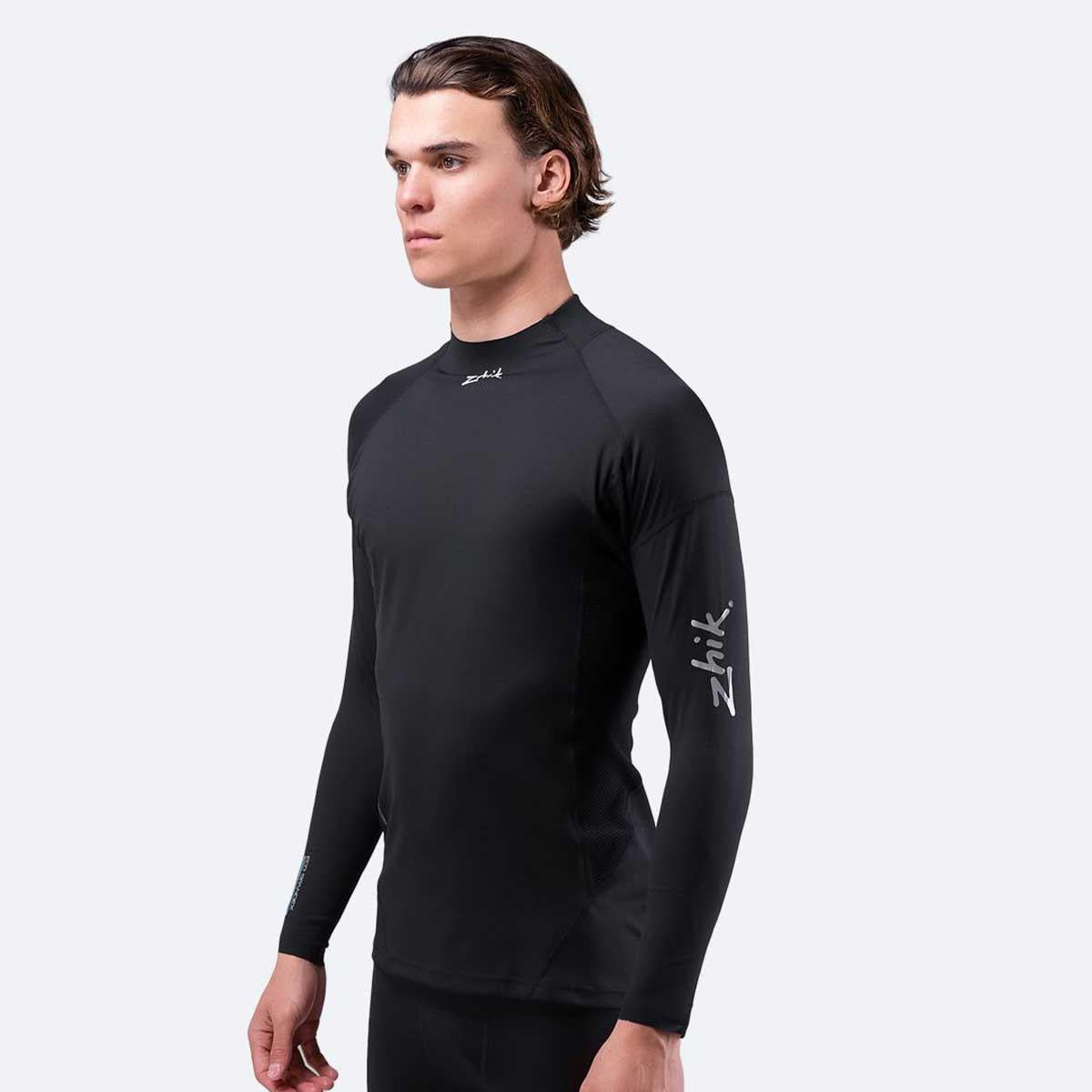
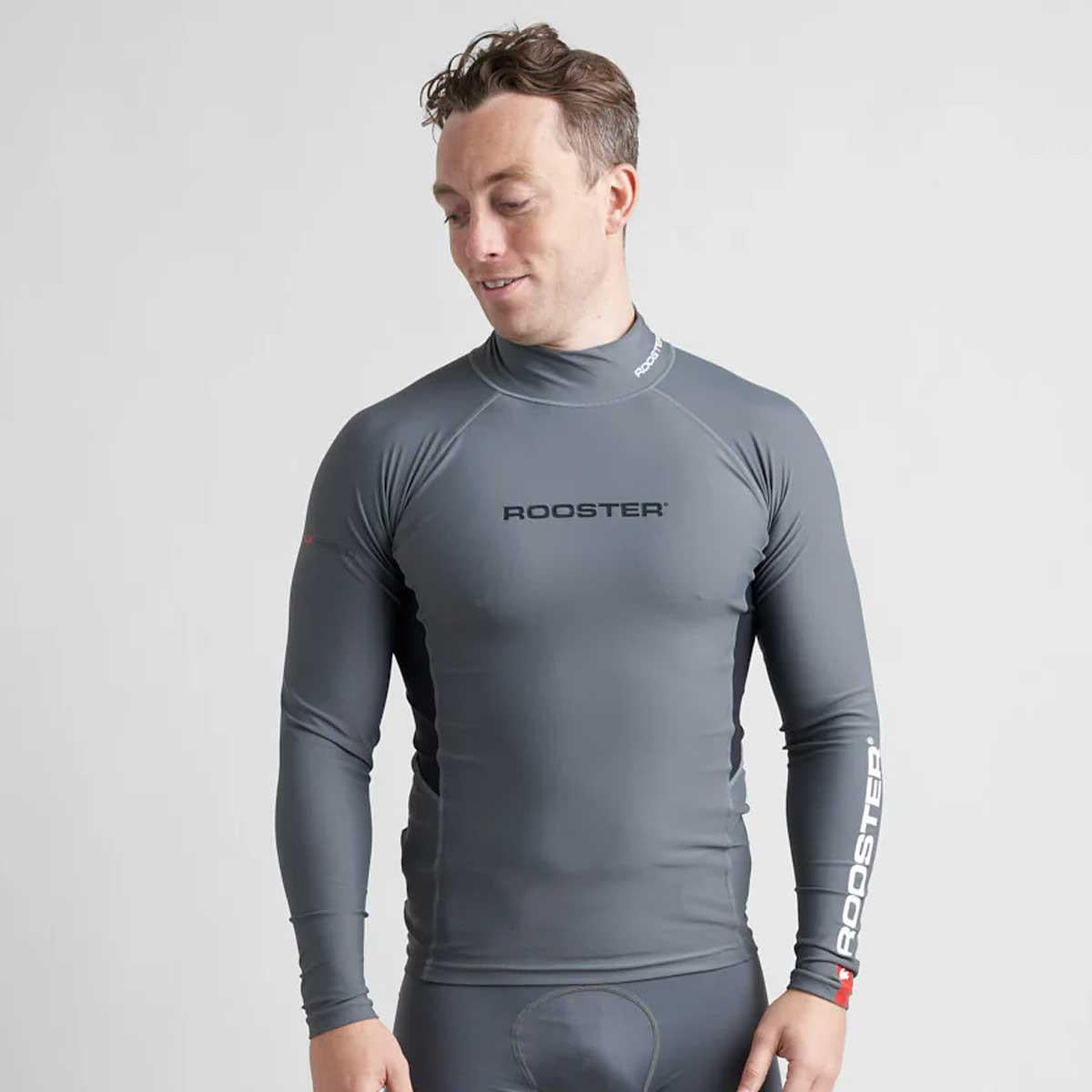
Coverage, for sun and for rope. Your forearms are out in the sun all day and in the path of the mainsheet on every tack, and a long sleeve protects both. It also closes the gap at the arm under a sleeveless long john, which a short sleeve leaves open to cold water. The only days a short sleeve wins are the handful of hot, light wind days a year. For everything else, long sleeve is the more useful top.
Can I wear a long sleeve rash vest on its own?
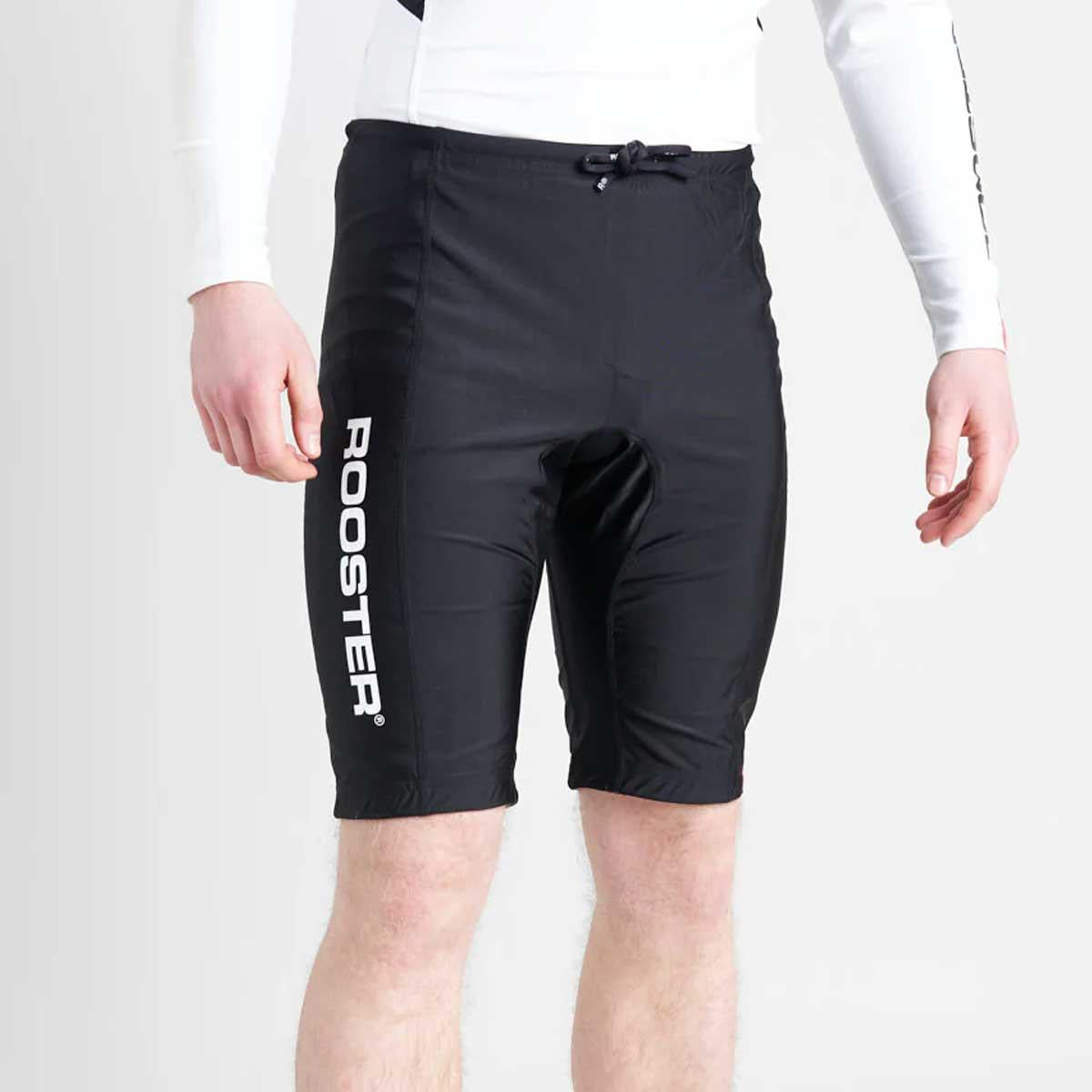
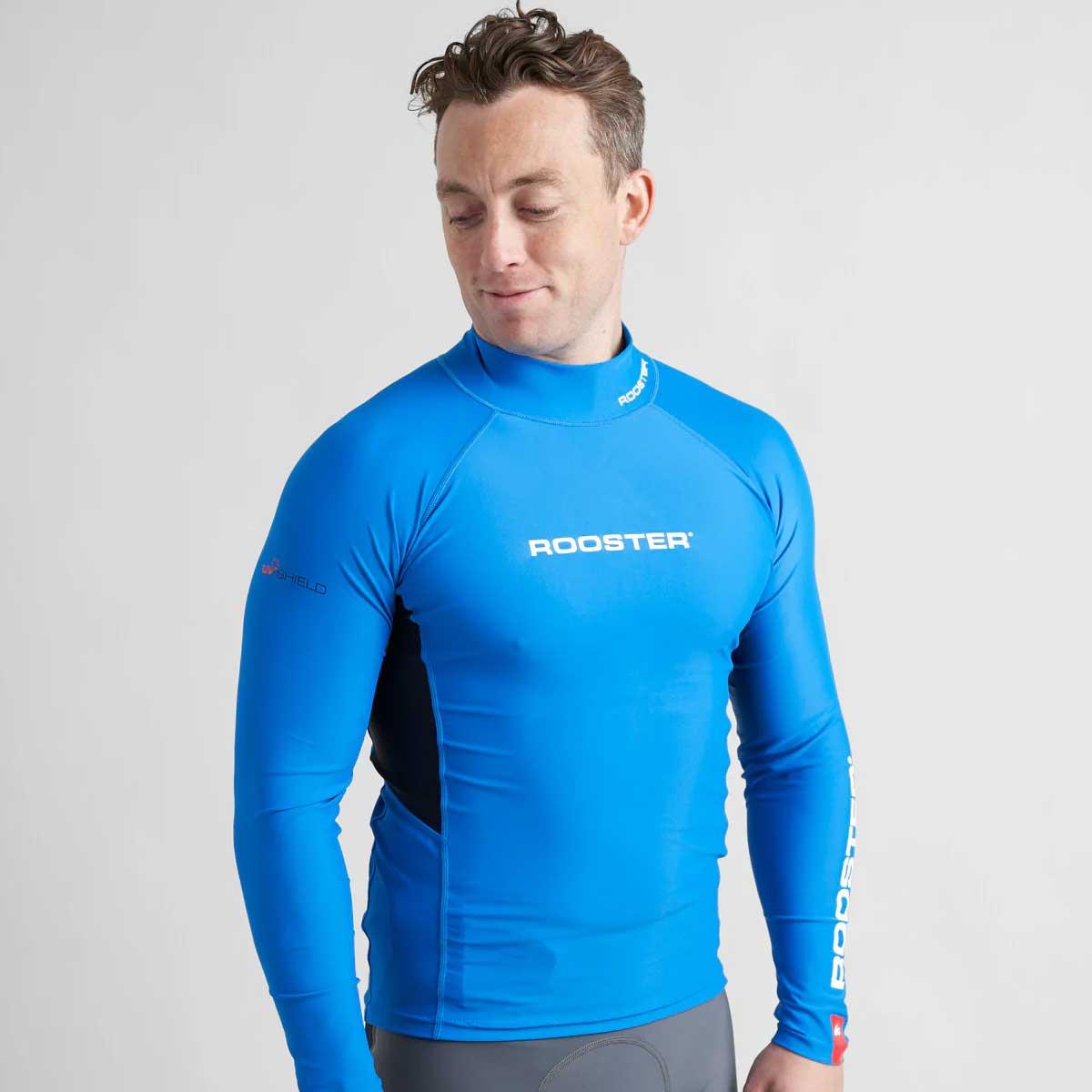
Yes, and in summer it is what most club sailors wear over shorts or neoprene shorts. It is a sun and chafe layer rather than a warm one, so once the wind picks up or you go in, you will want a spray top over it. If the day is cool enough to think about a wetsuit, wear the rash vest under the suit instead. It makes the suit easier to get on and stops it rubbing. See our dinghy sailing wetsuits.
Is a long sleeve rash vest warm?
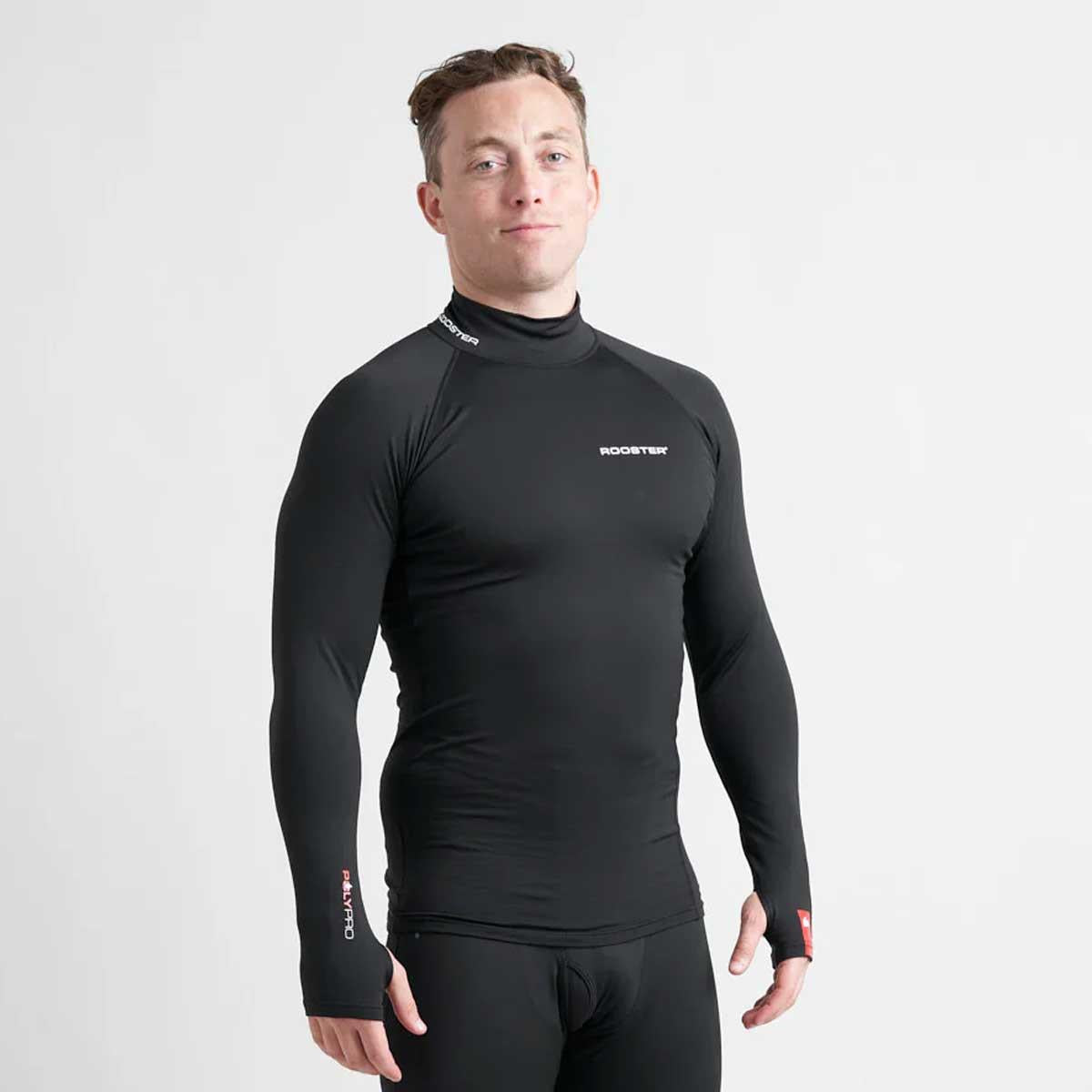
No, and it is not meant to be. A rash vest is thin lycra that dries fast and protects your skin. It gives no real insulation, wet or dry. For warmth under a suit or spray top from September onwards, you want a thermal top, which is thicker, holds heat when wet and does the same chafe job. Some sailors wear a rash vest under a thermal in the cold months to stop the thermal rubbing. See our base layers.
How should a long sleeve rash vest fit?
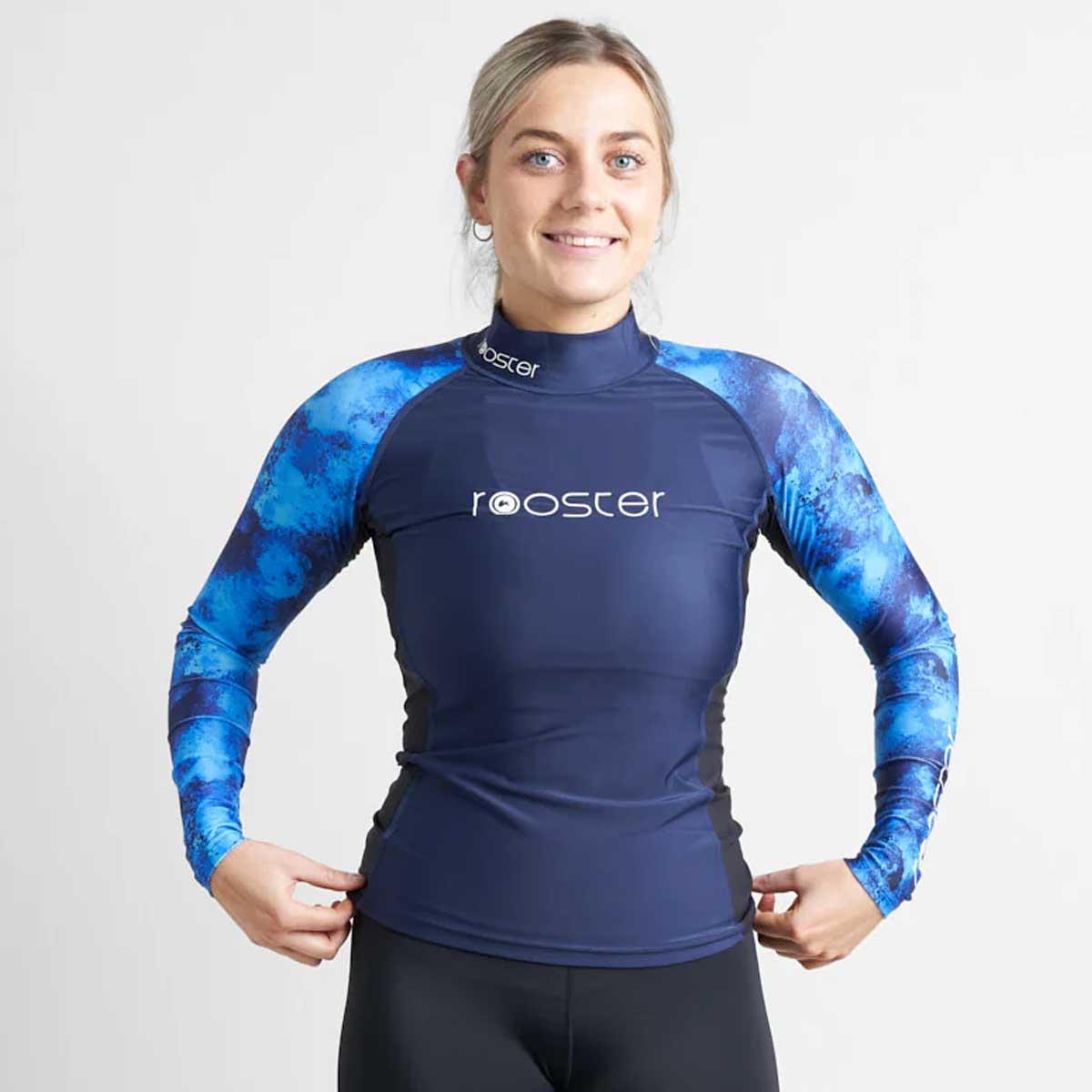
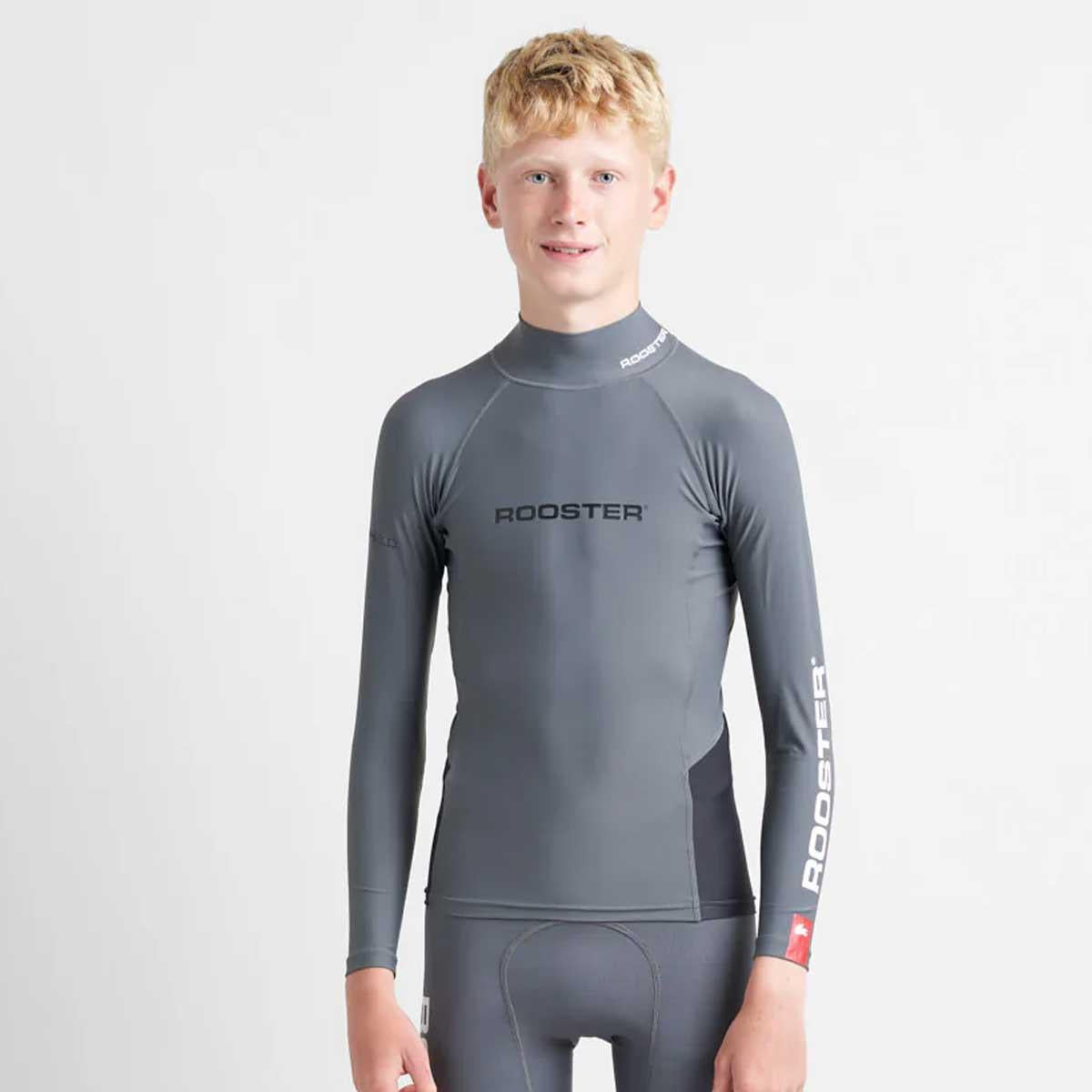
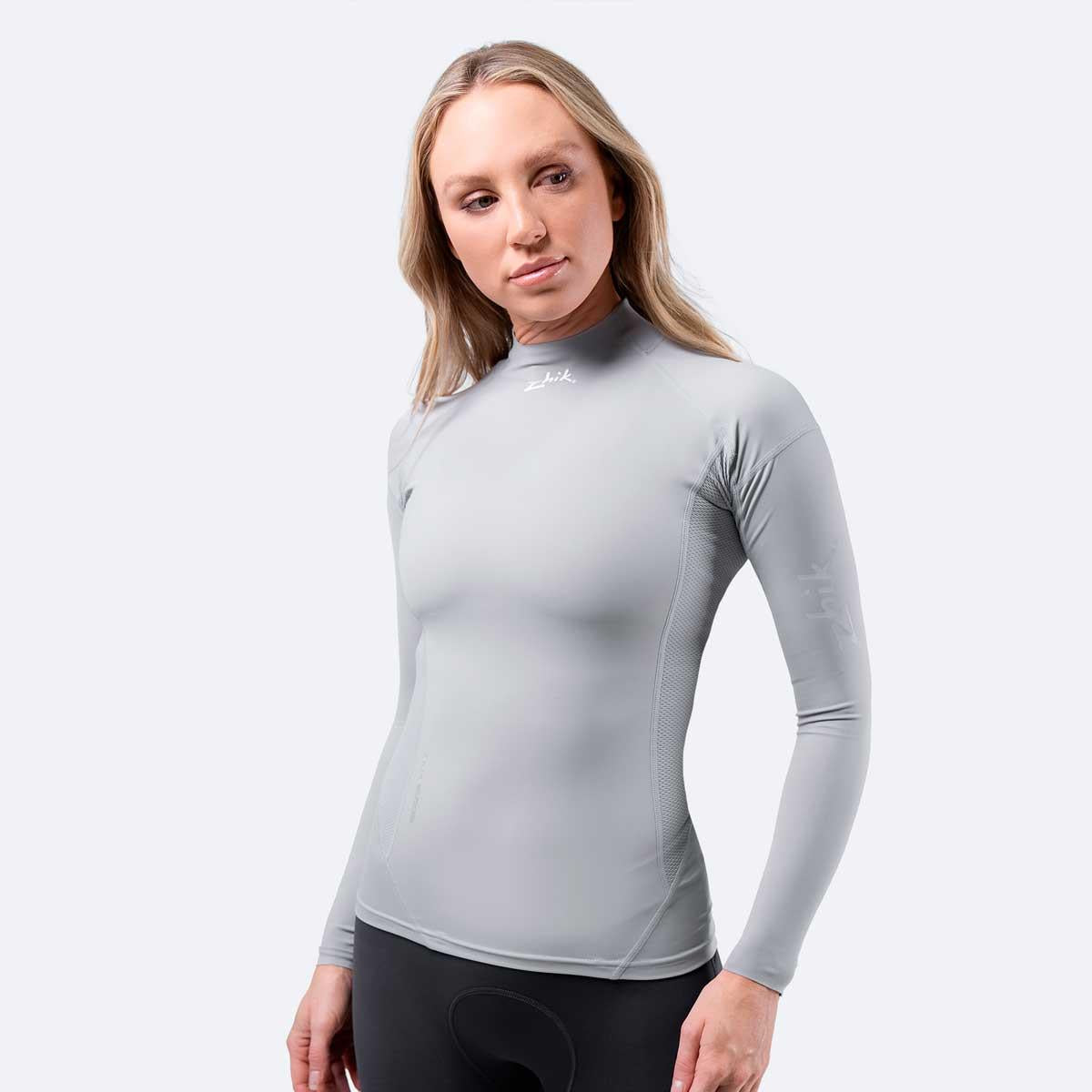
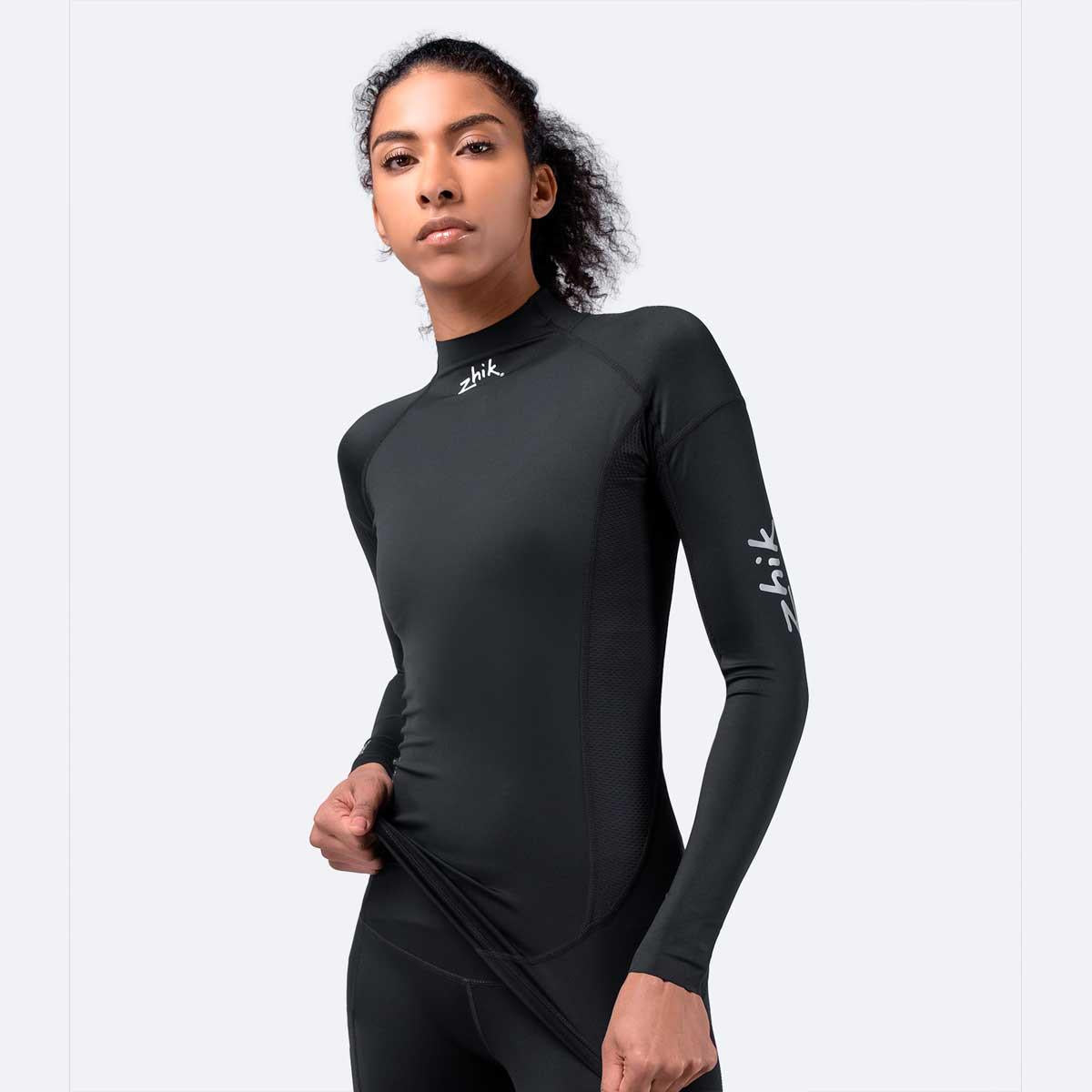
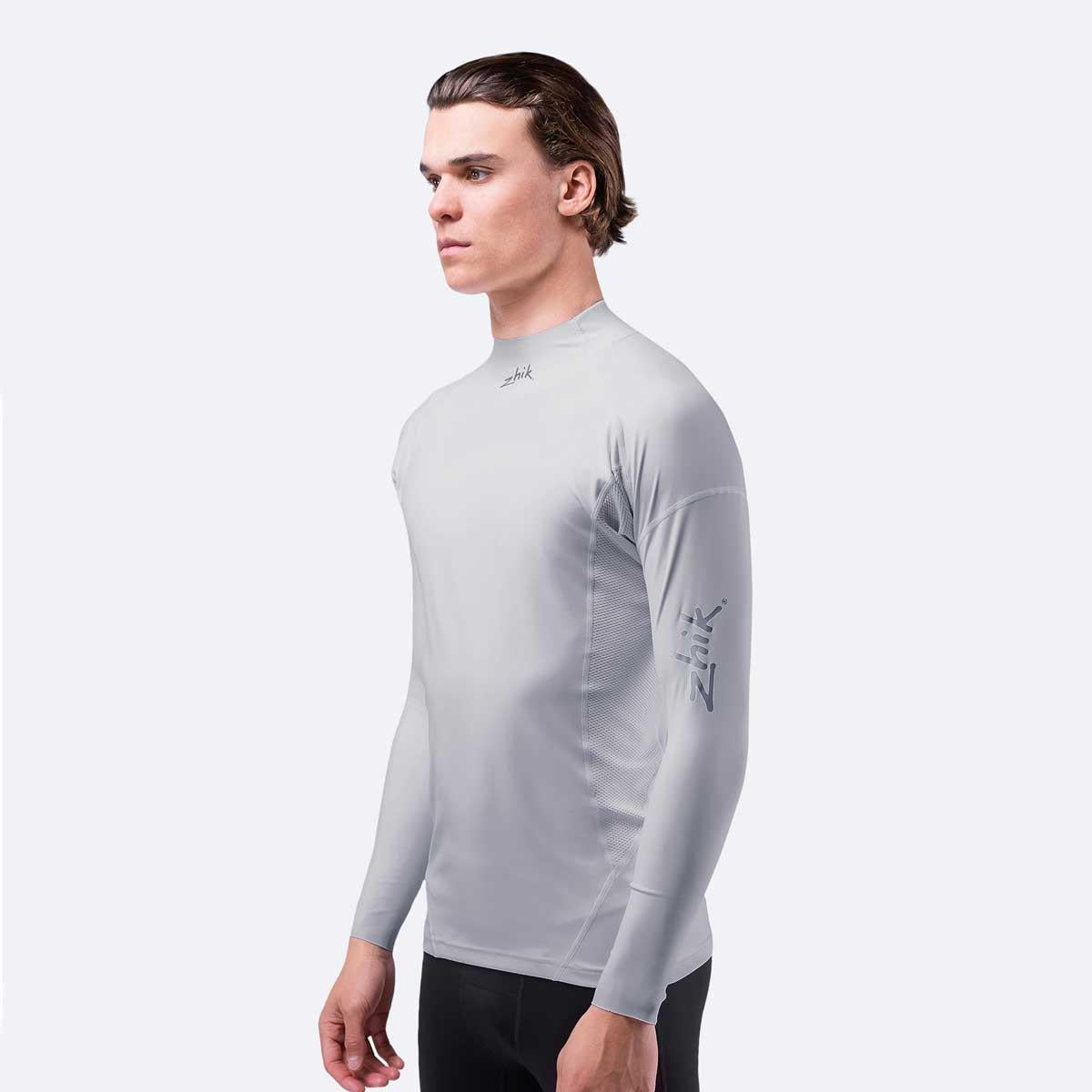
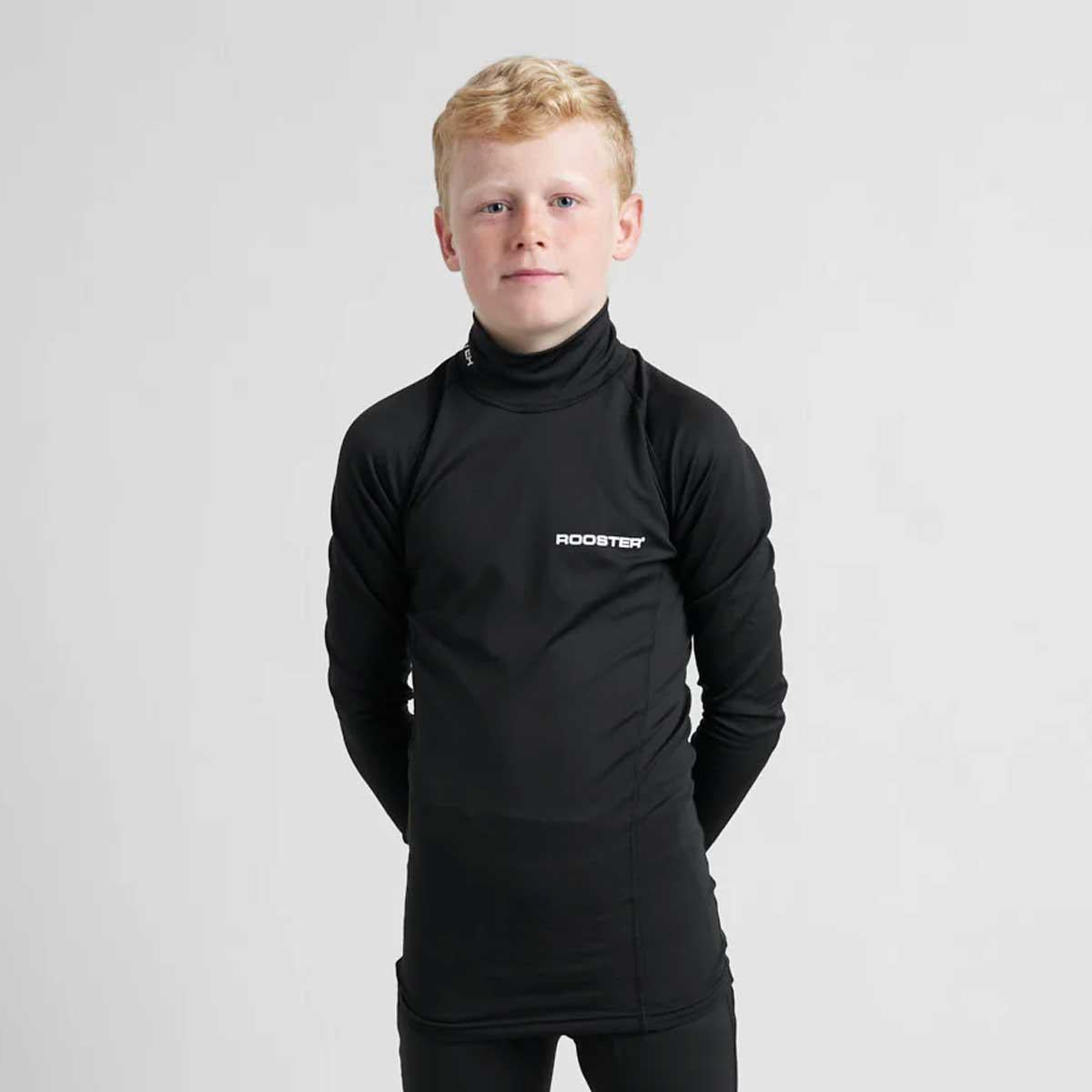
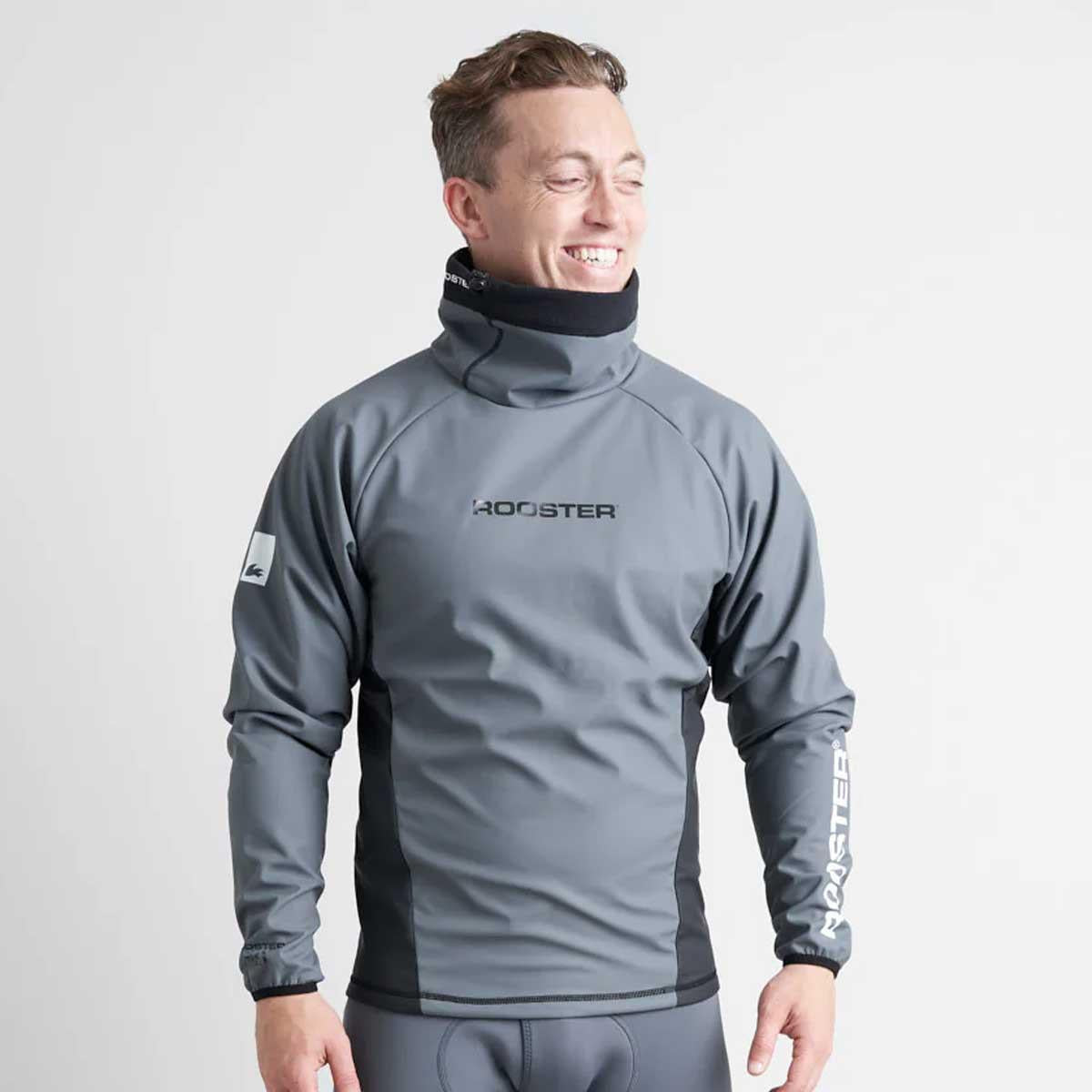
Tight all over, with the sleeves reaching your wrists and the body long enough to tuck into a long john and stay tucked when you hike. Loose fabric bunches under a buoyancy aid and rubs, which defeats the point. Go for your usual size or one down if you are between sizes. Womens cuts are shorter in the body and narrower at the shoulder. Junior sizes are cut for a child, so pick those over a small adult.
How do I wash a rash vest?
Rinse it in fresh water after every sail and hang it to dry out of the sun, which is what fades the colour and weakens the lycra. Every few weeks put it through a cool machine wash with no fabric softener, which coats the fibres and stops them wicking. Never tumble dry. Treated like this a rash vest lasts several seasons, and the first thing to go is usually the elastic at the cuffs.