Dinghy Sailing Gloves FAQs
Short finger or long finger sailing gloves?
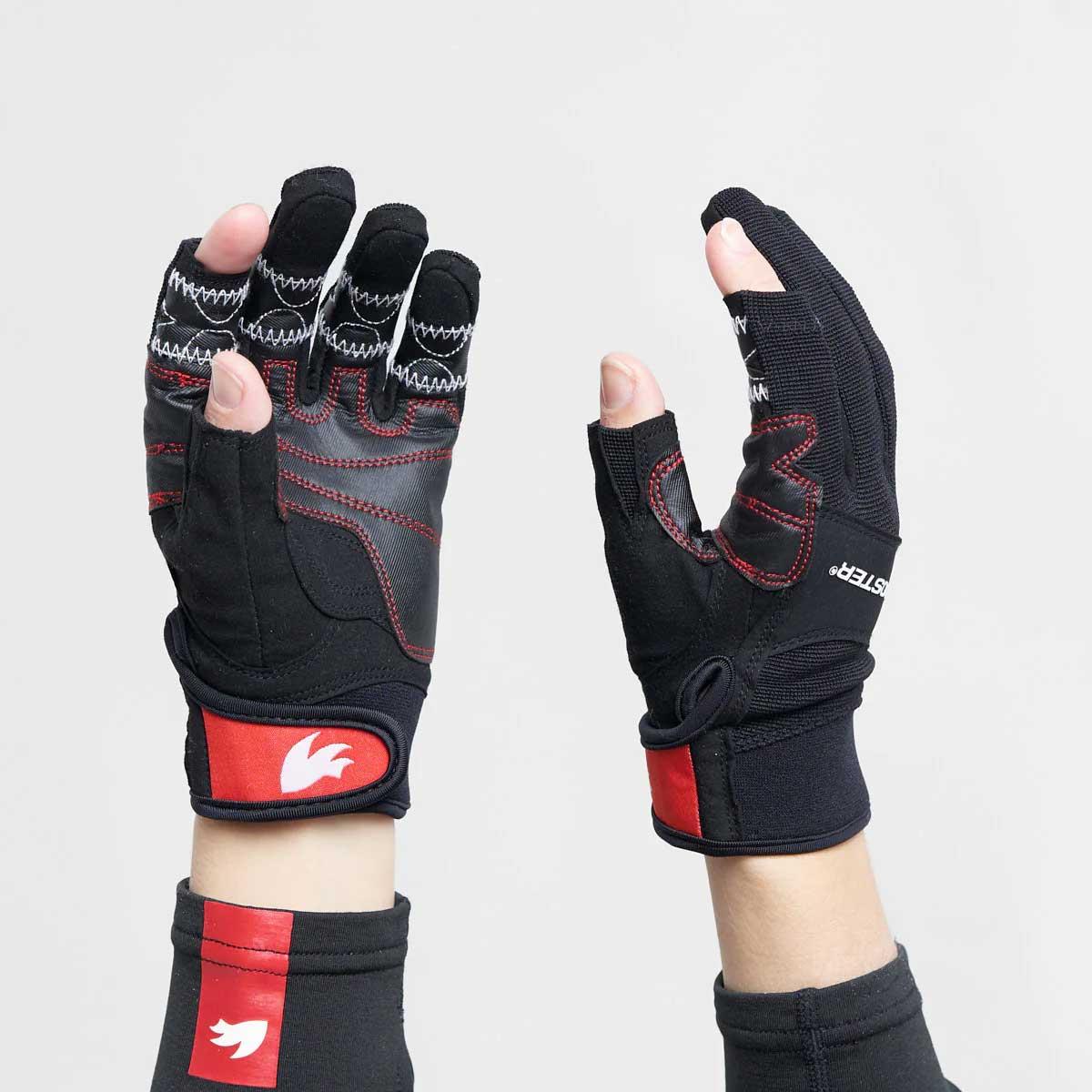
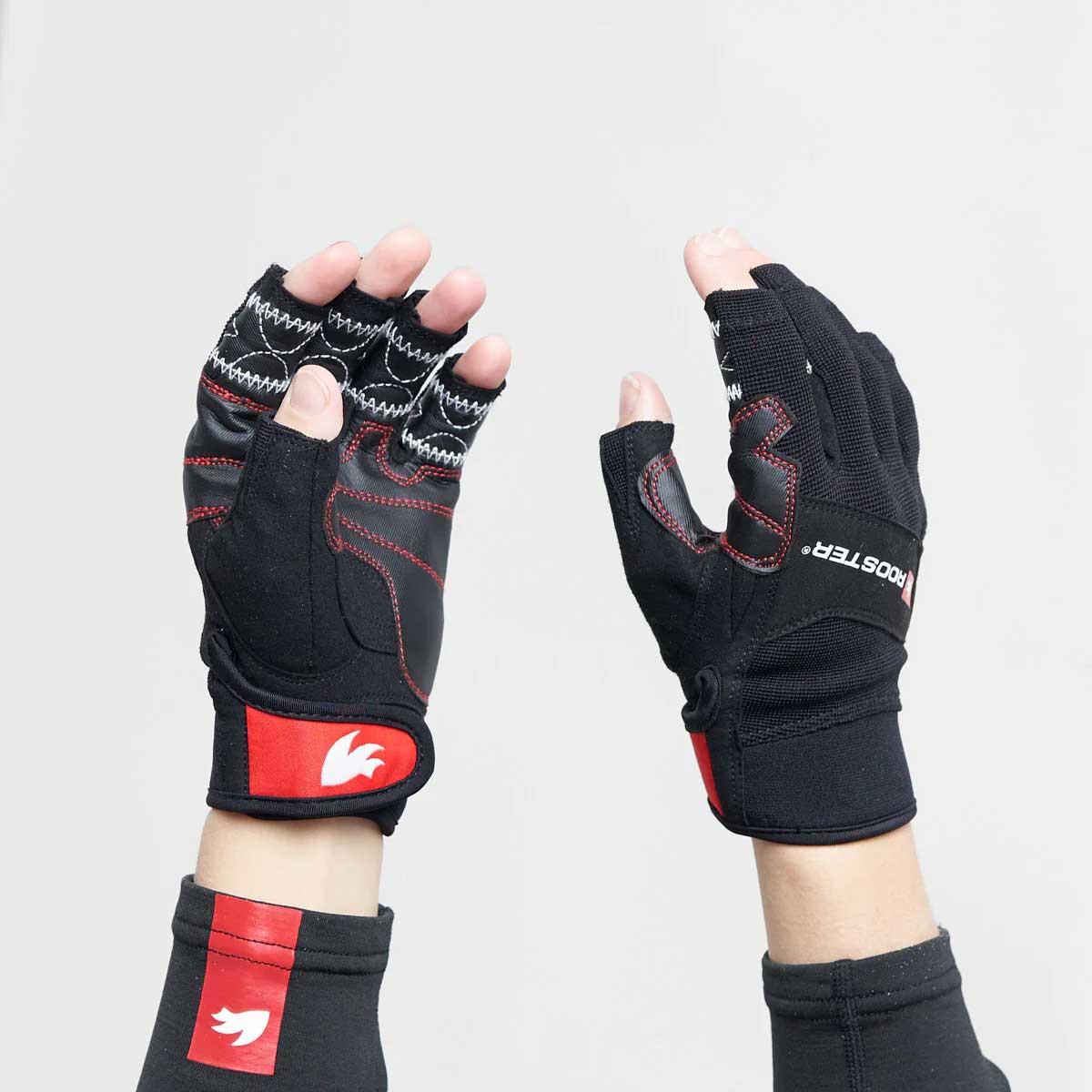
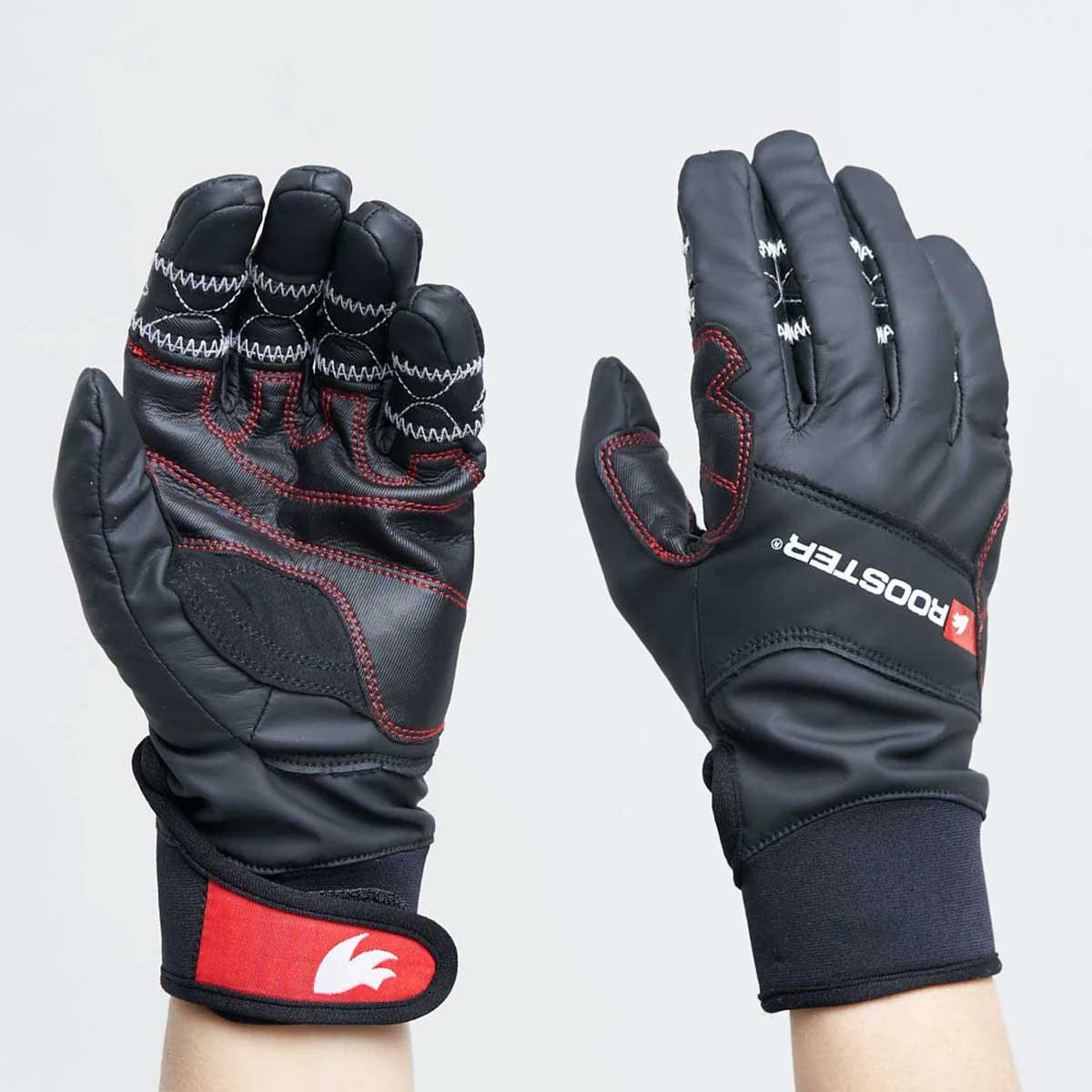
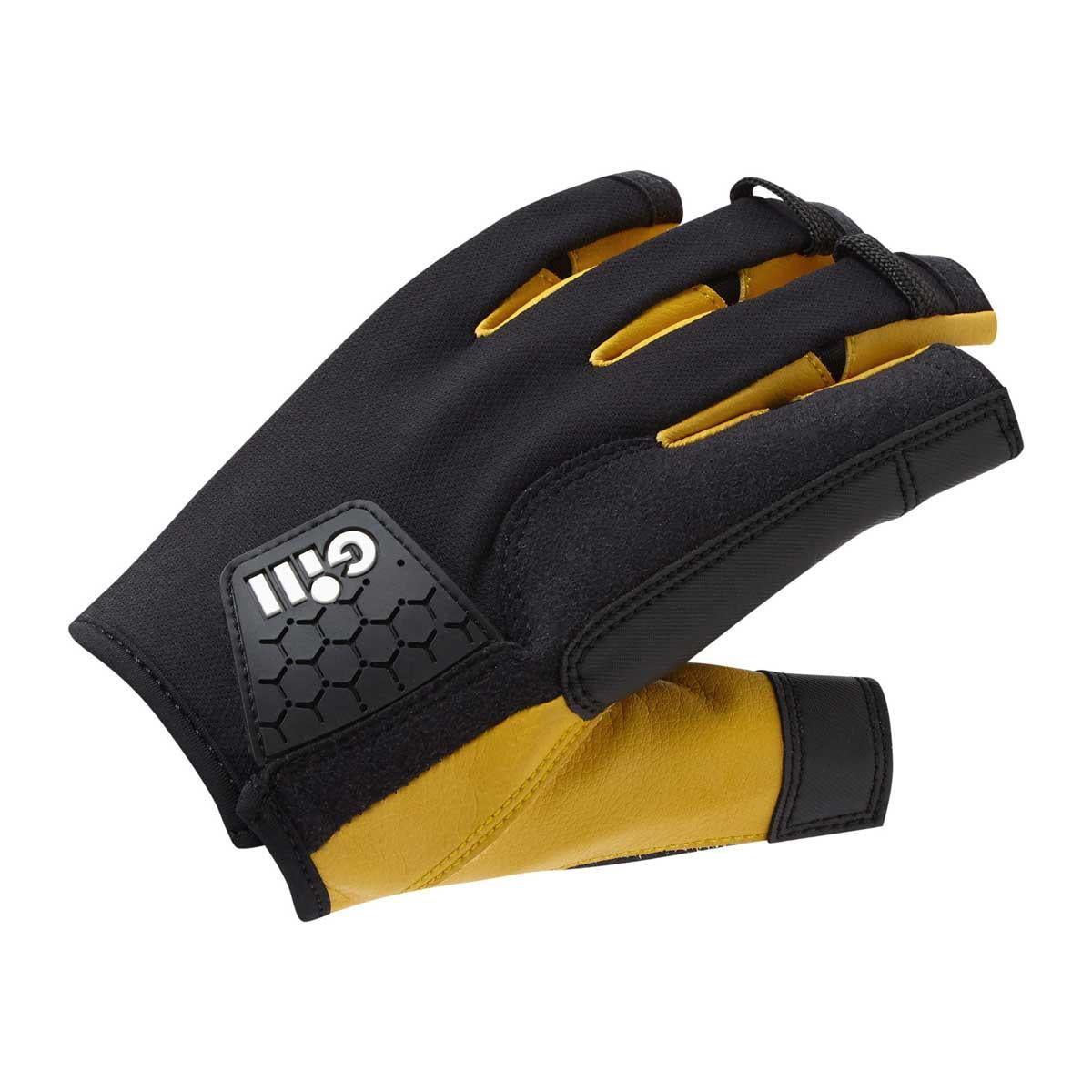
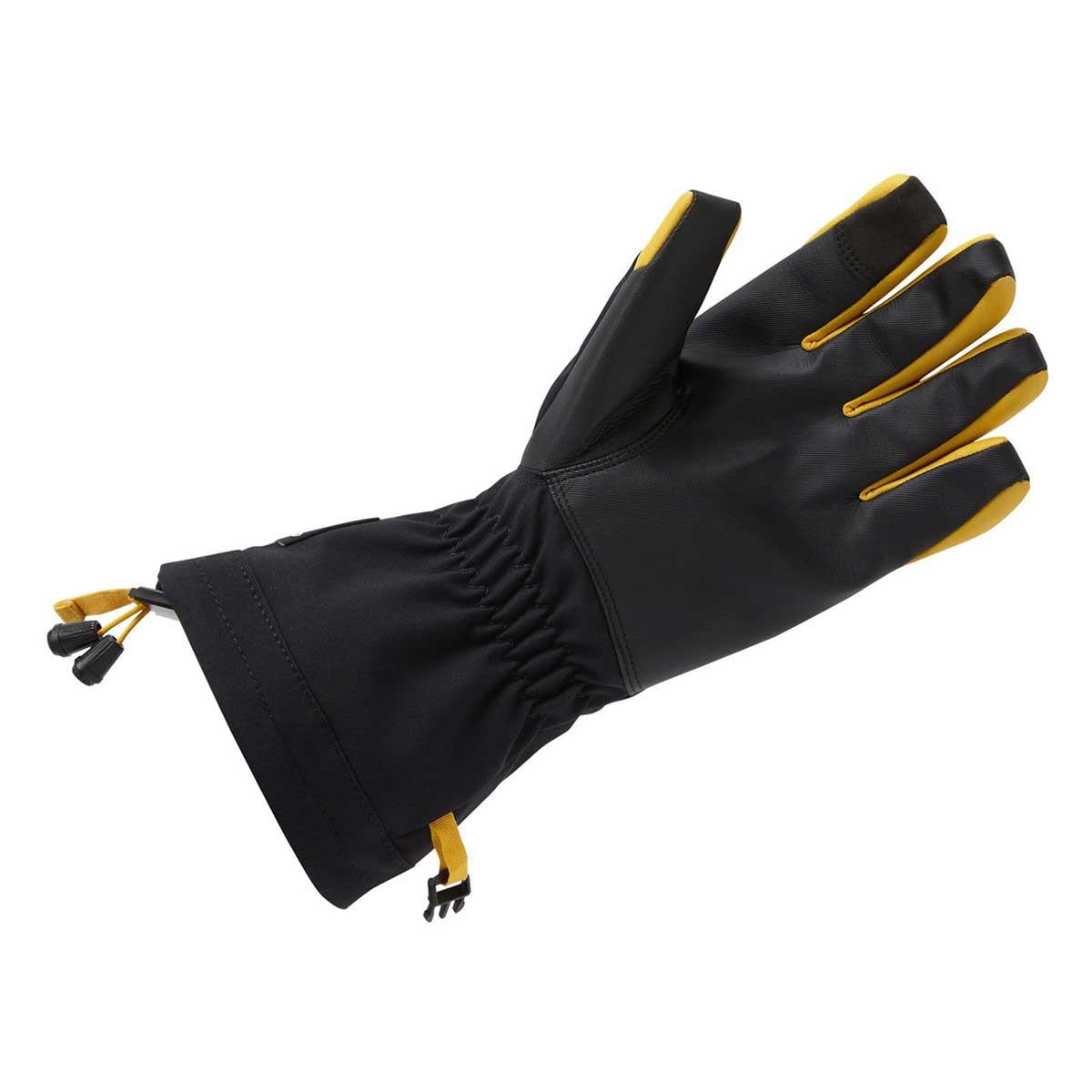
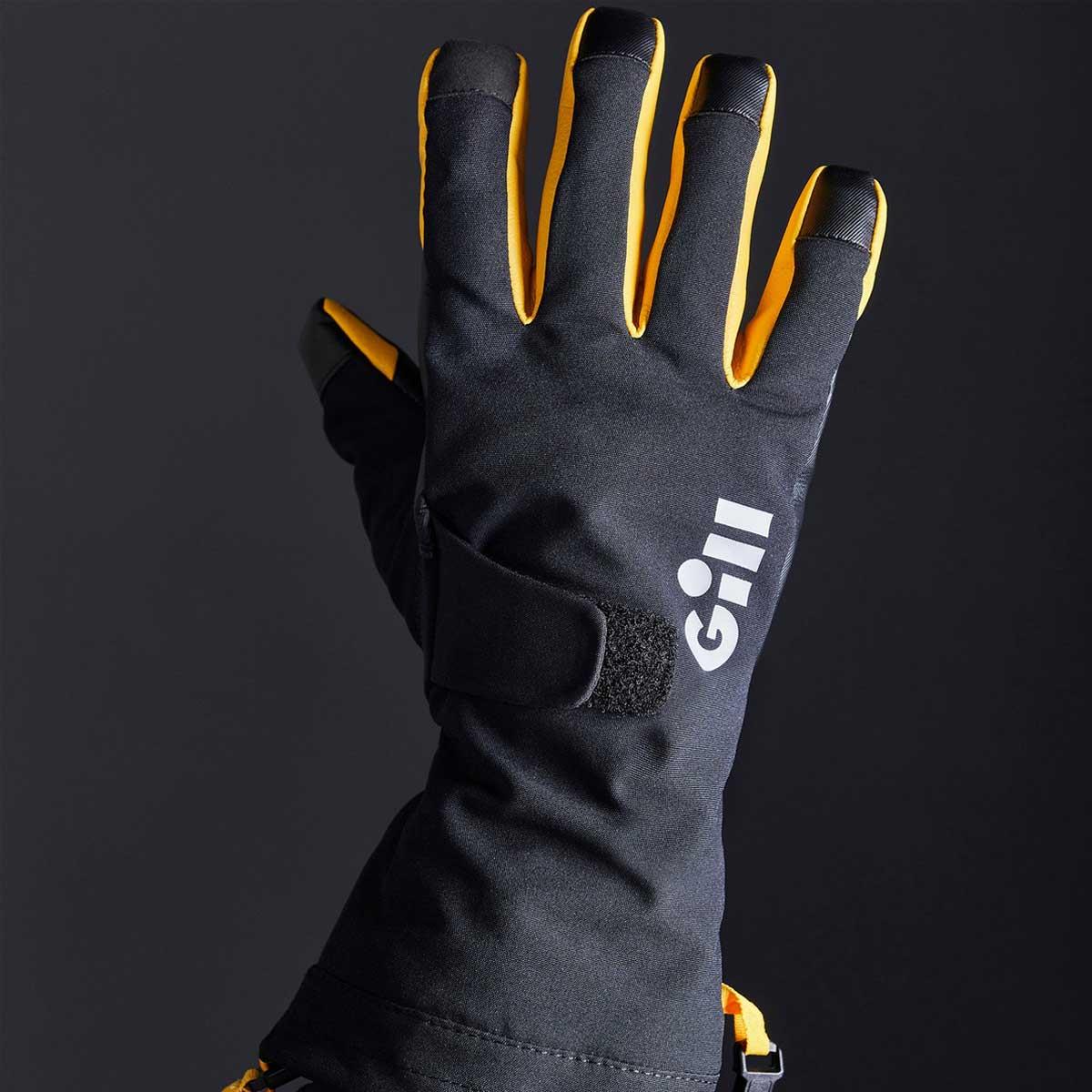
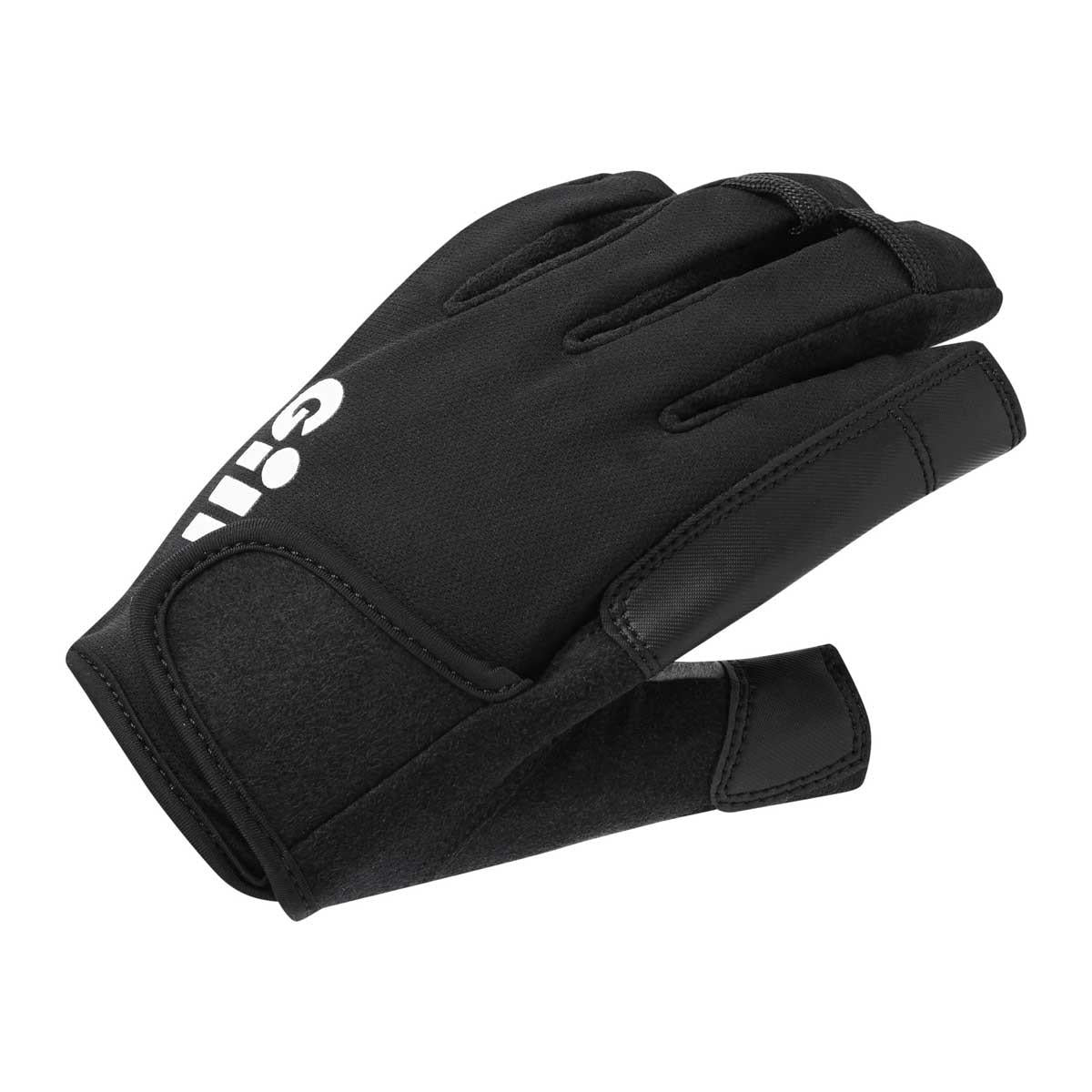
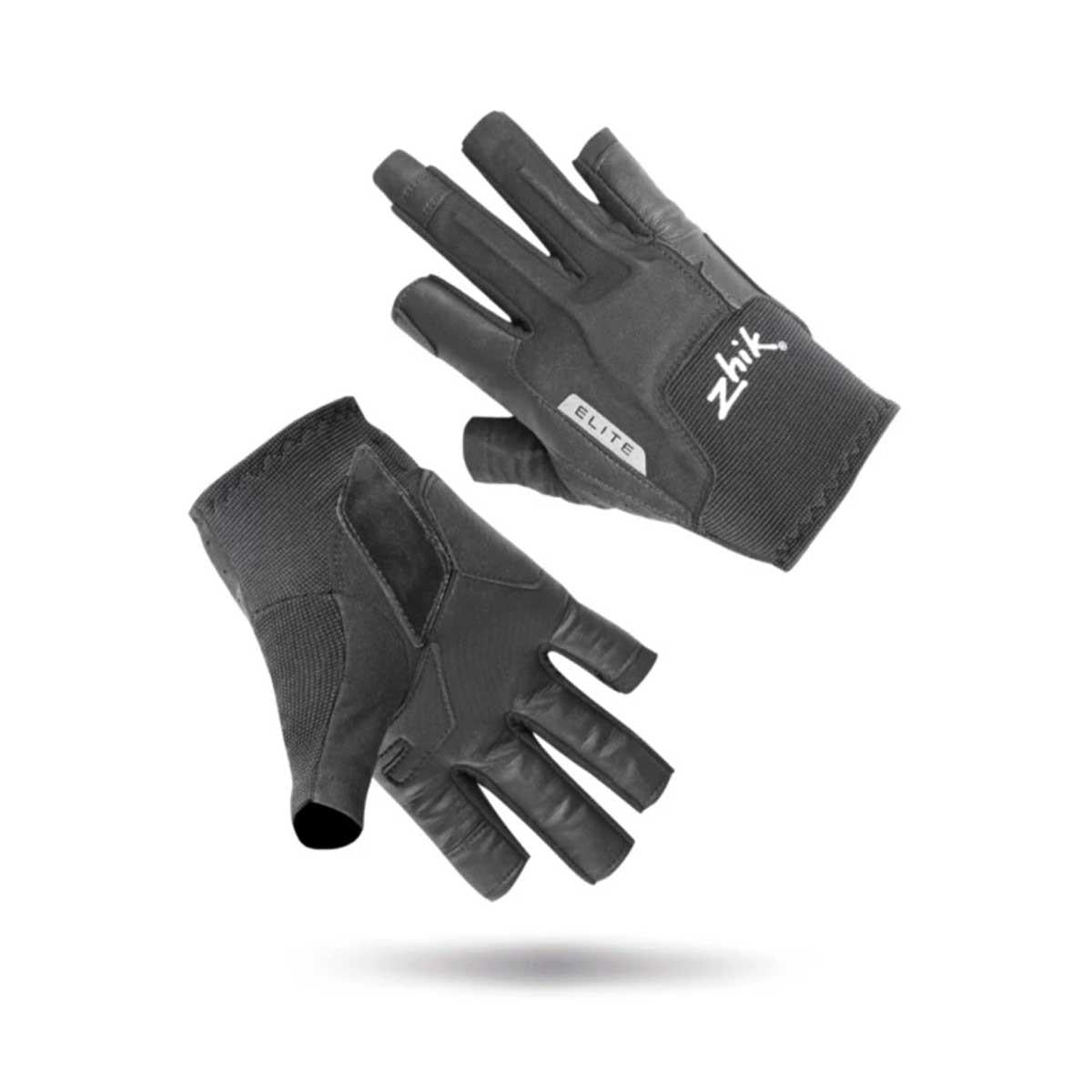
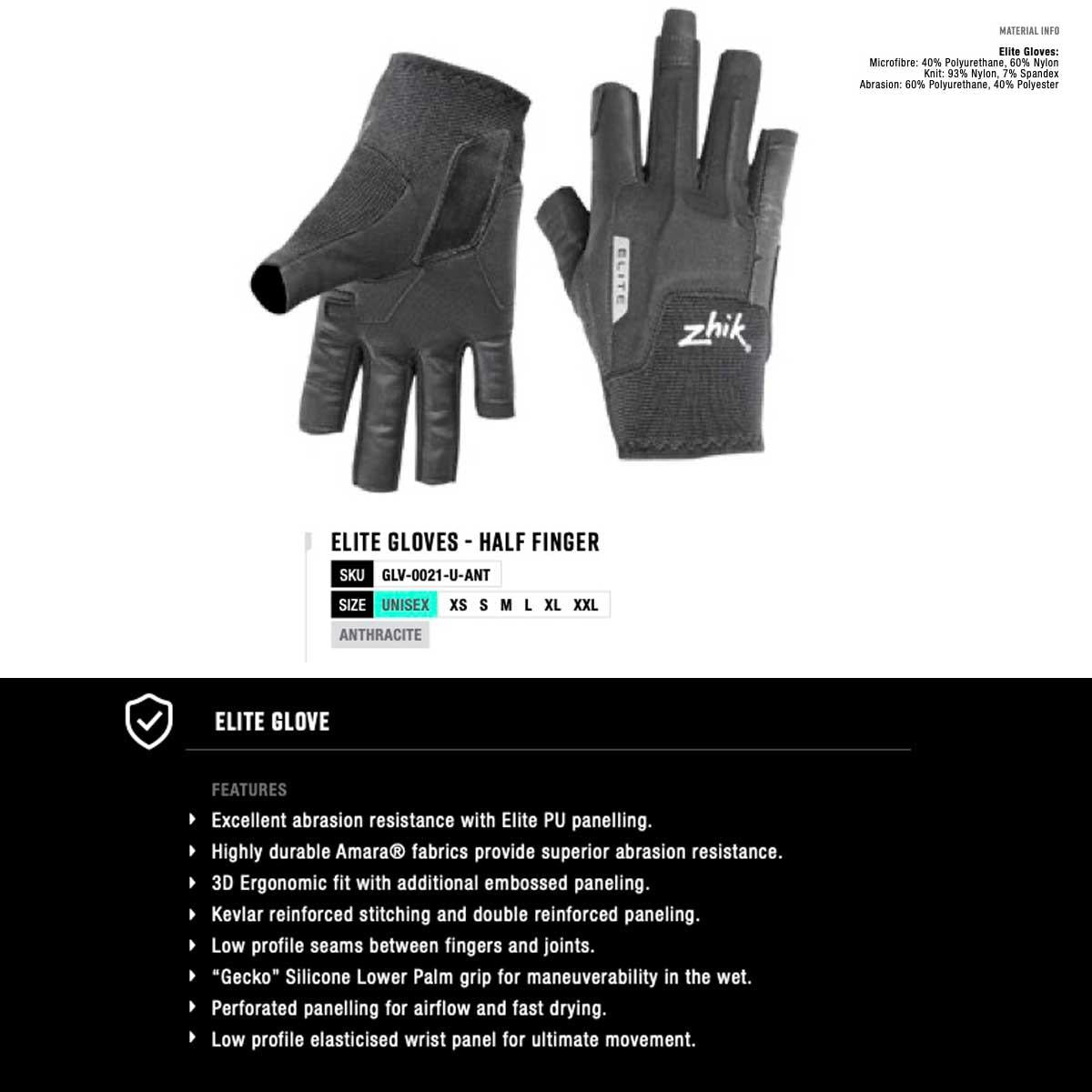
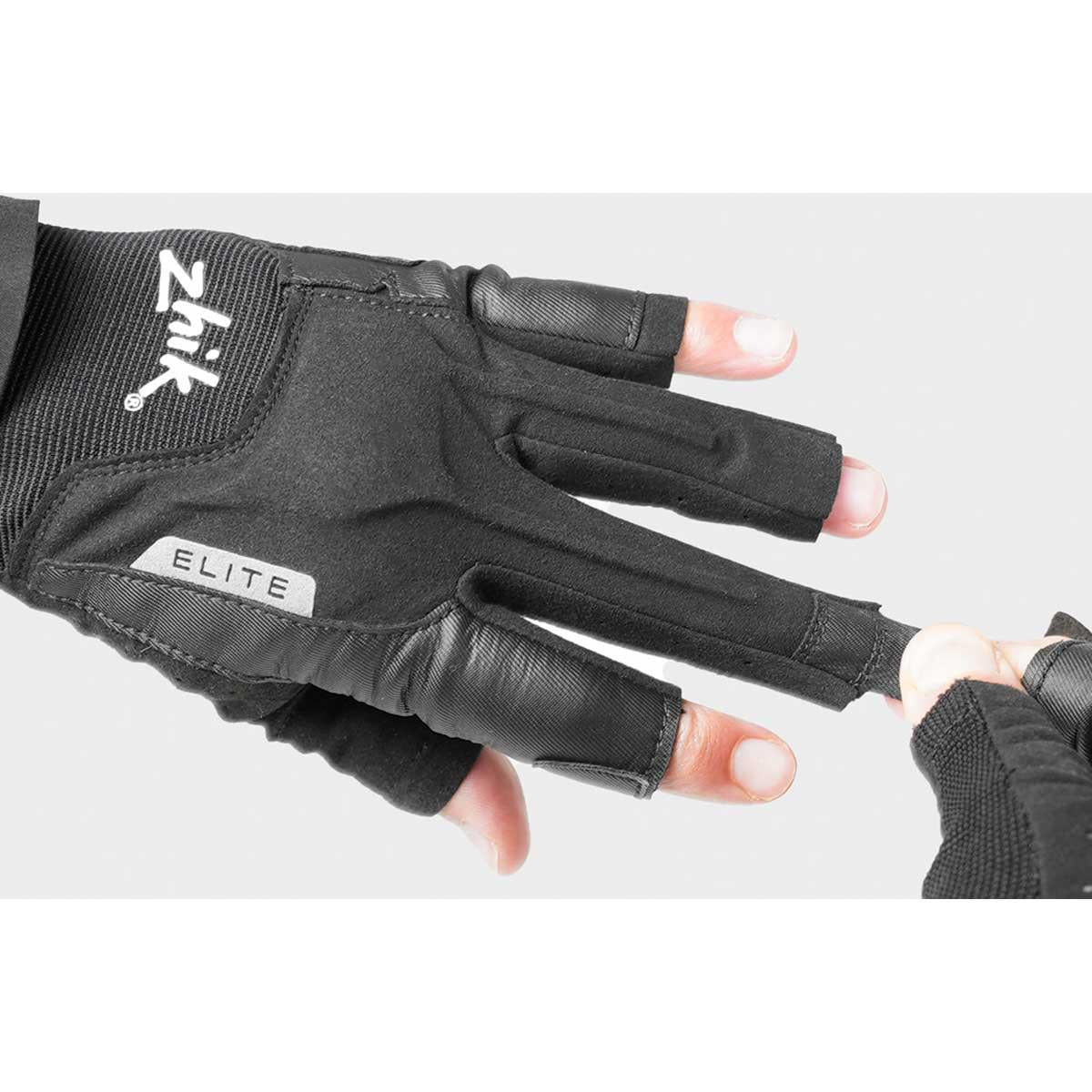
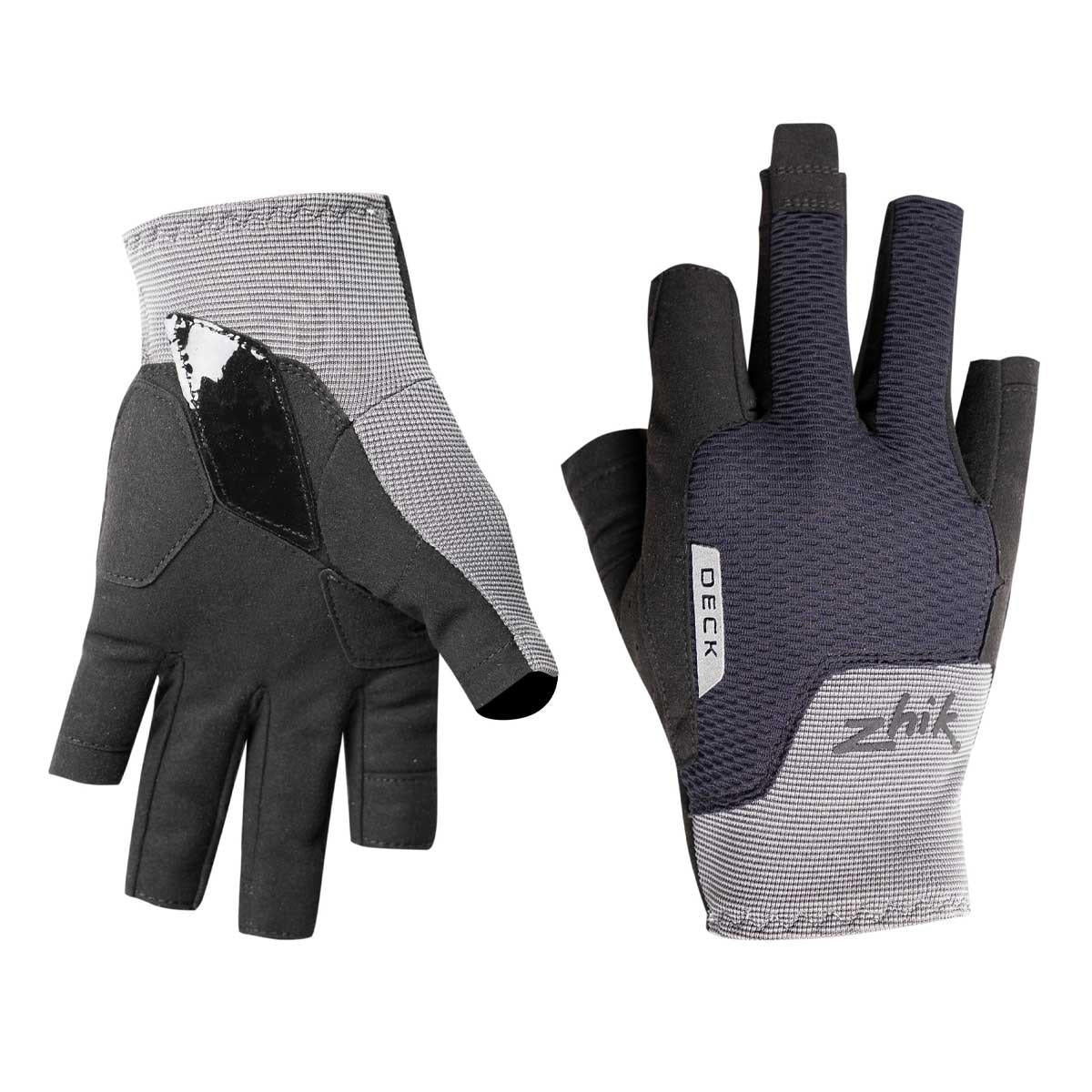
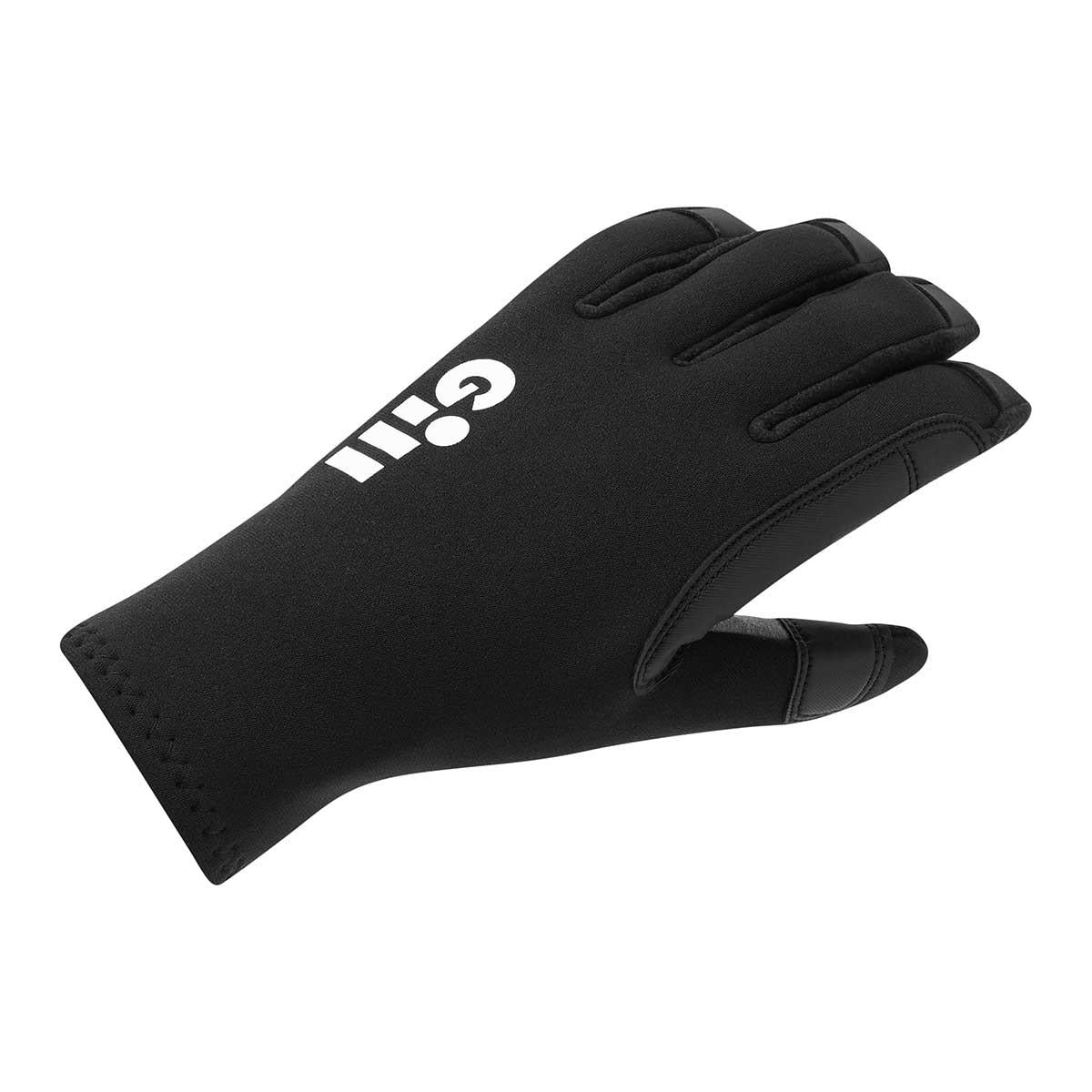
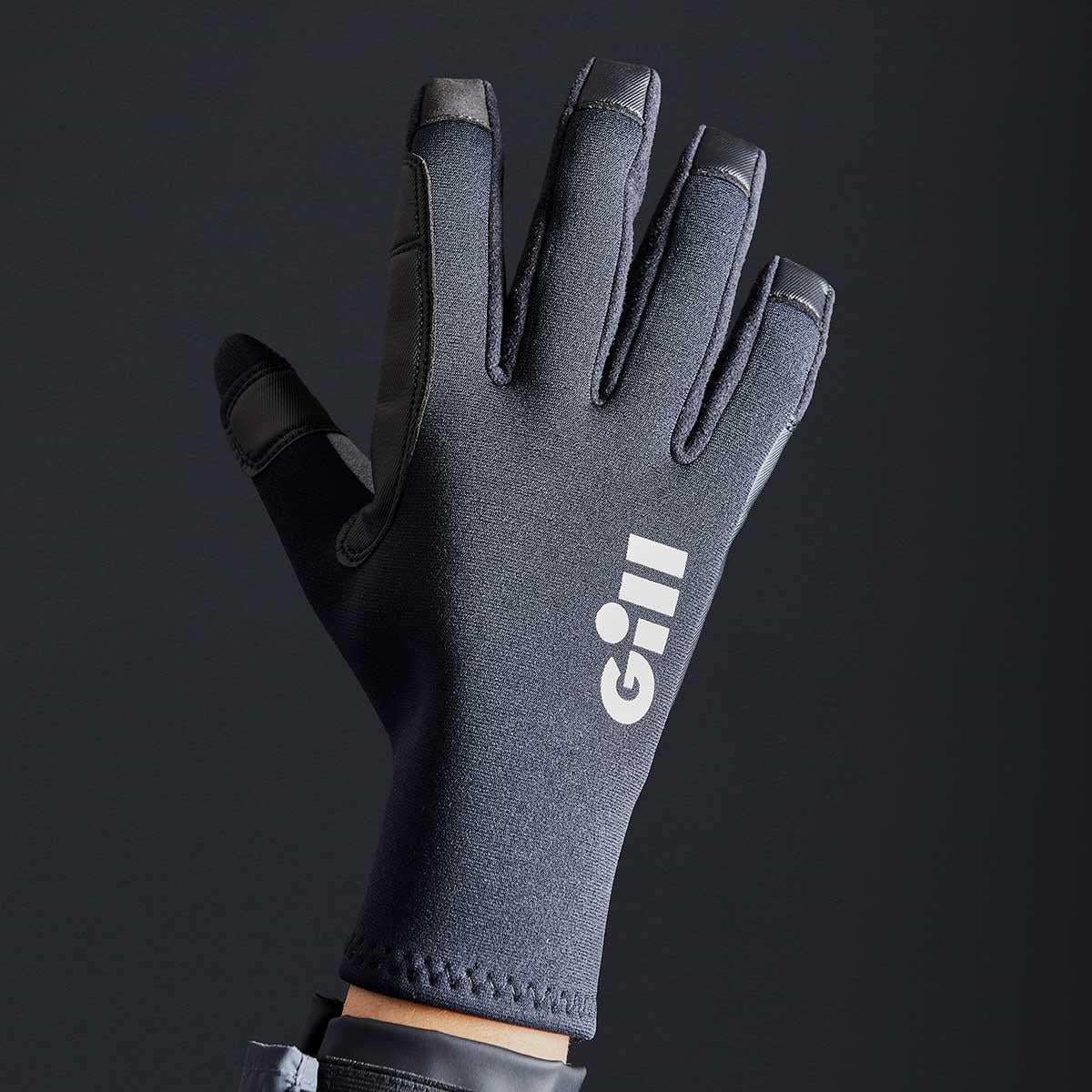
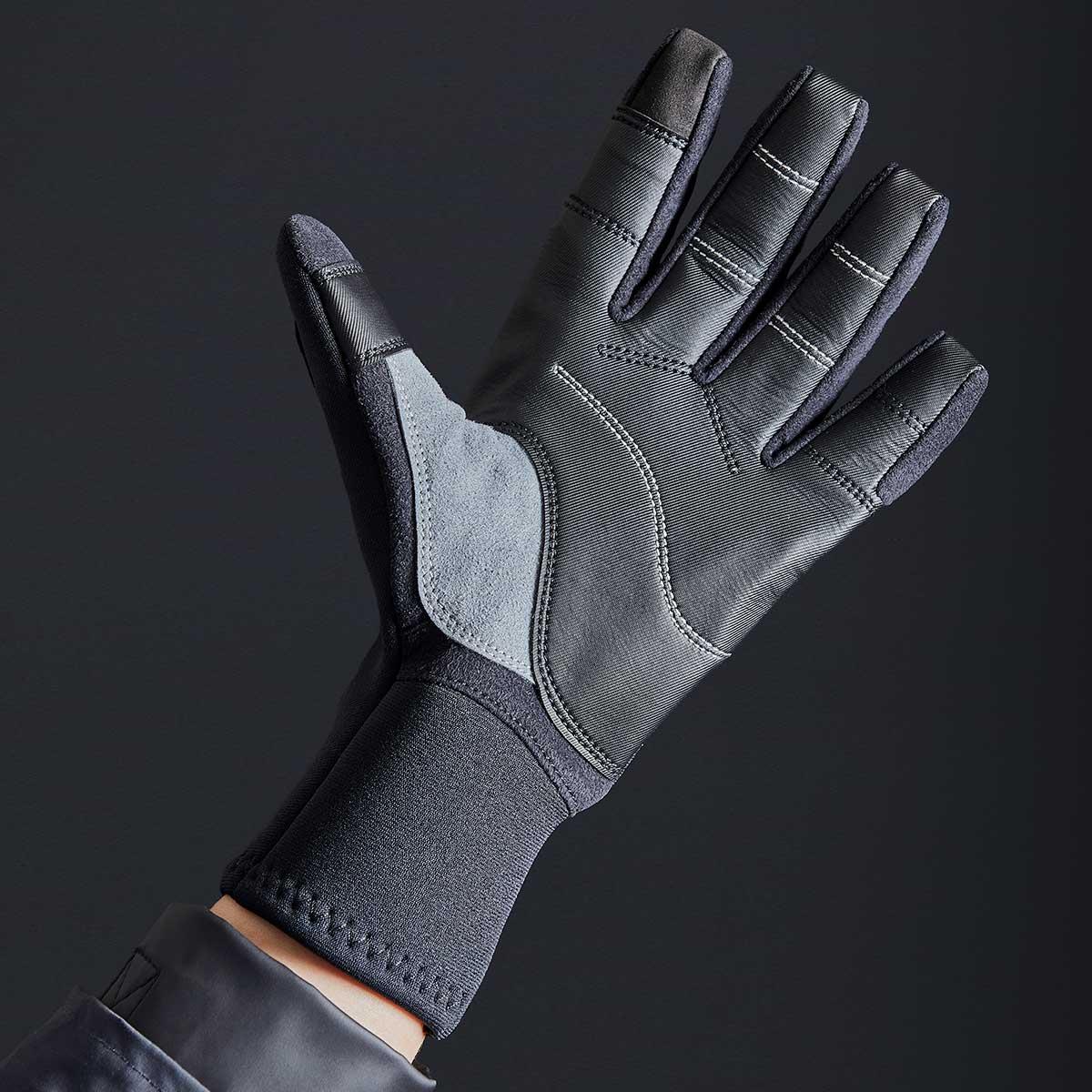
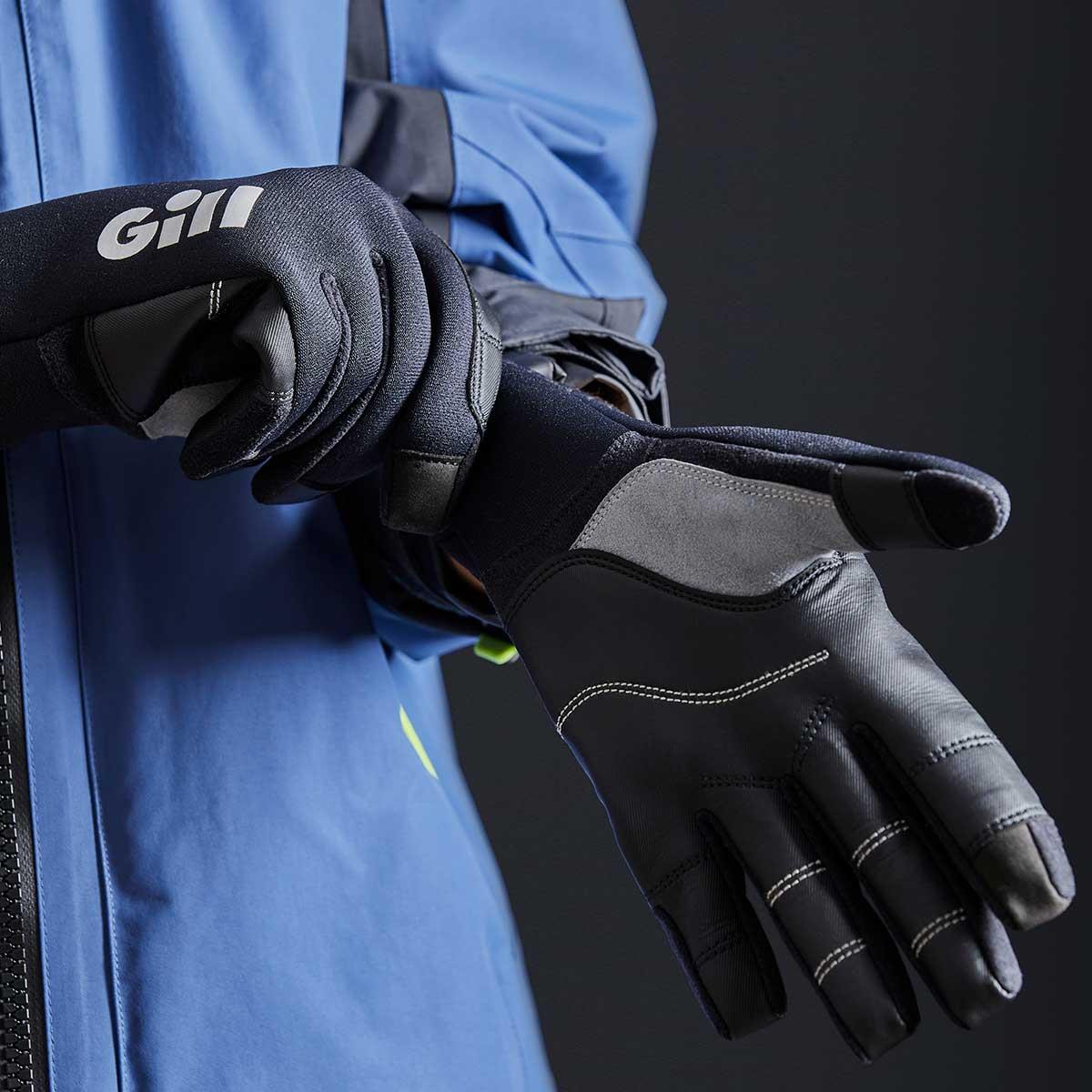
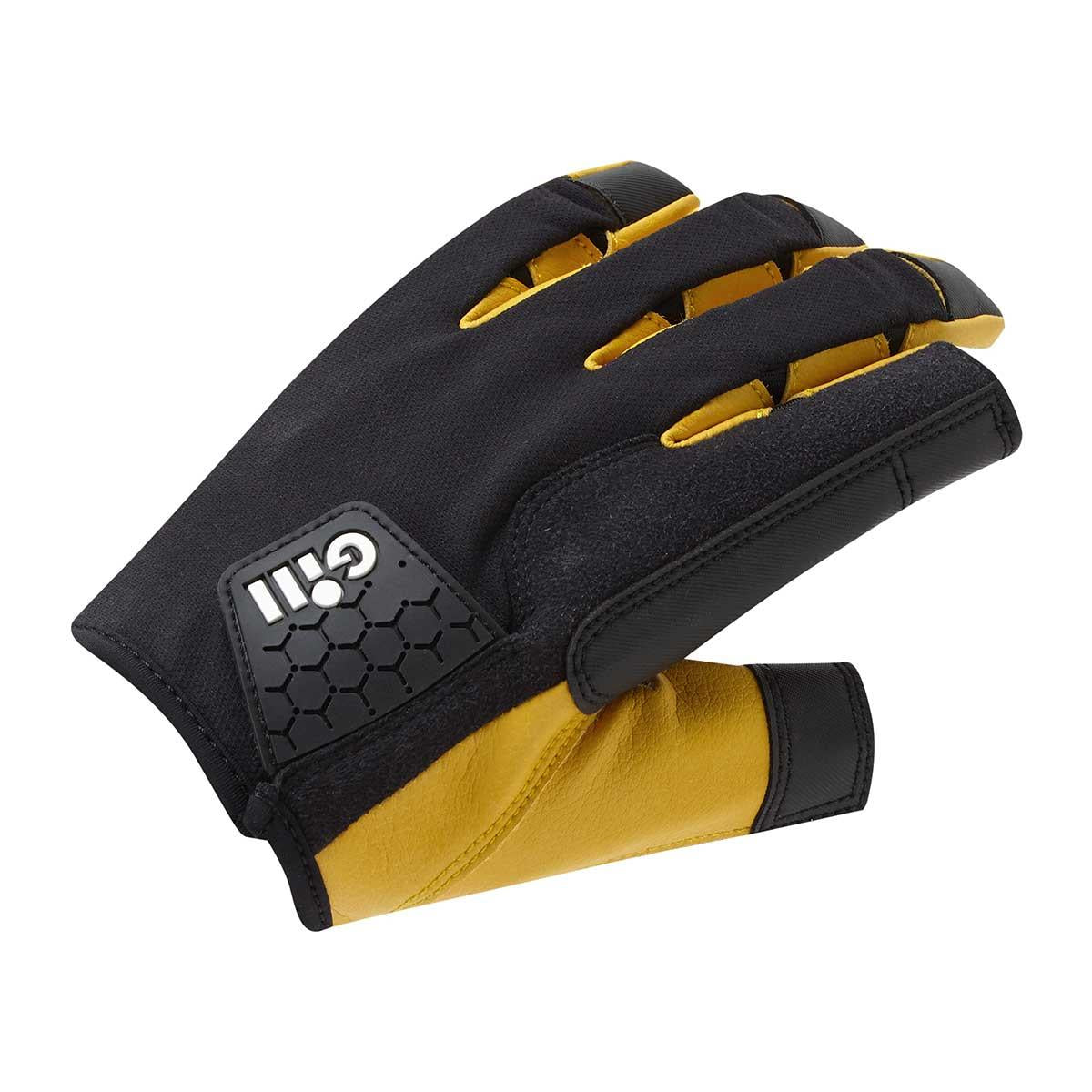
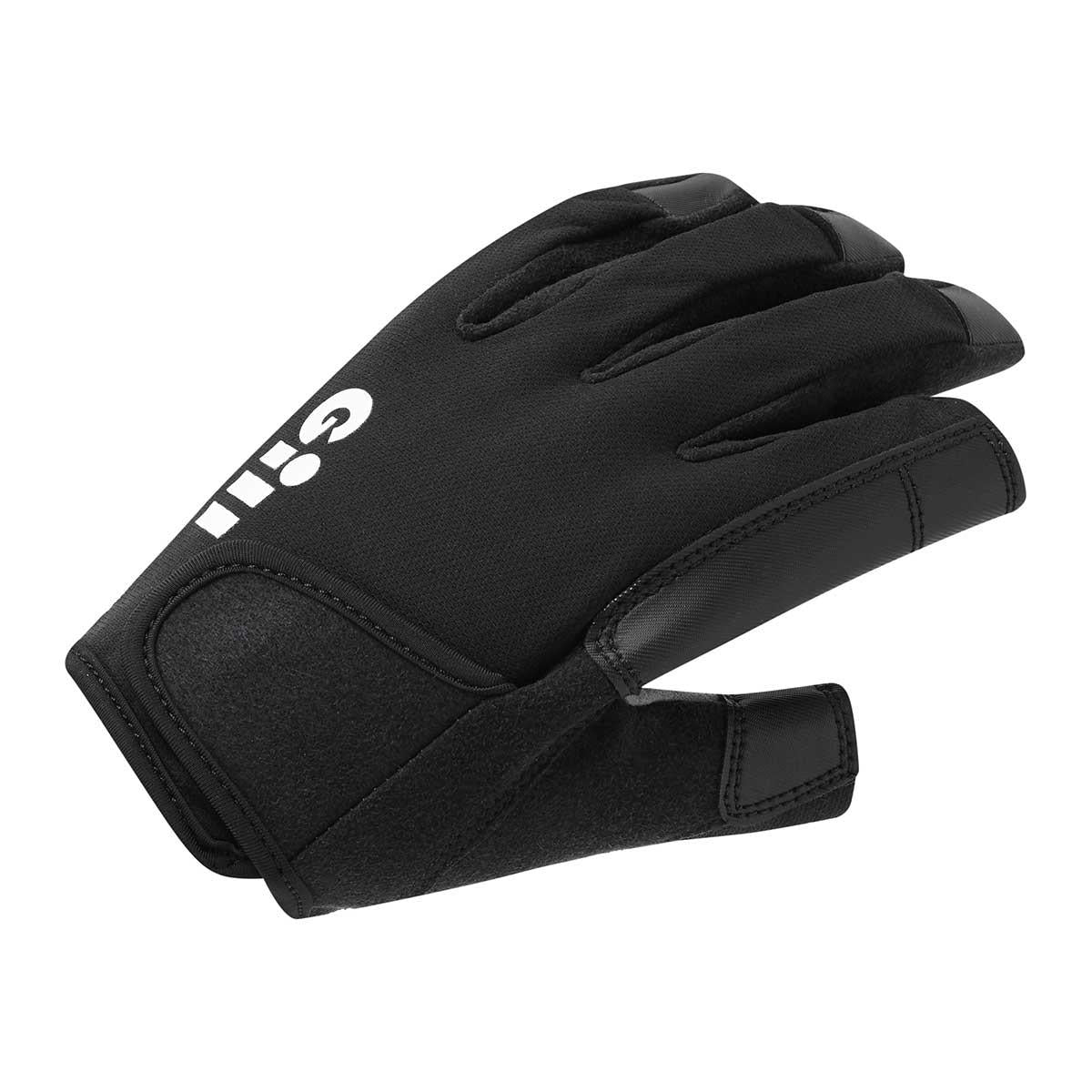
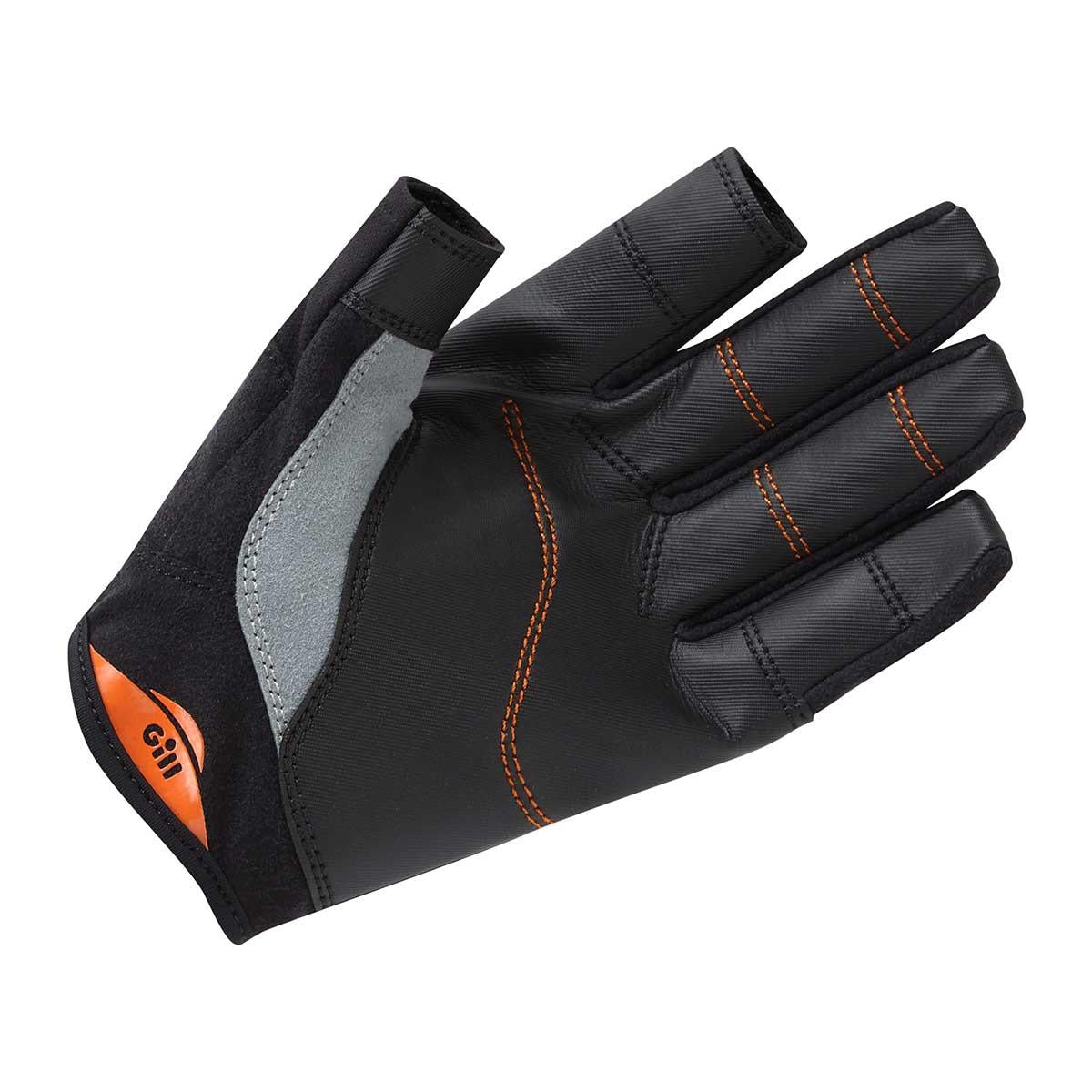
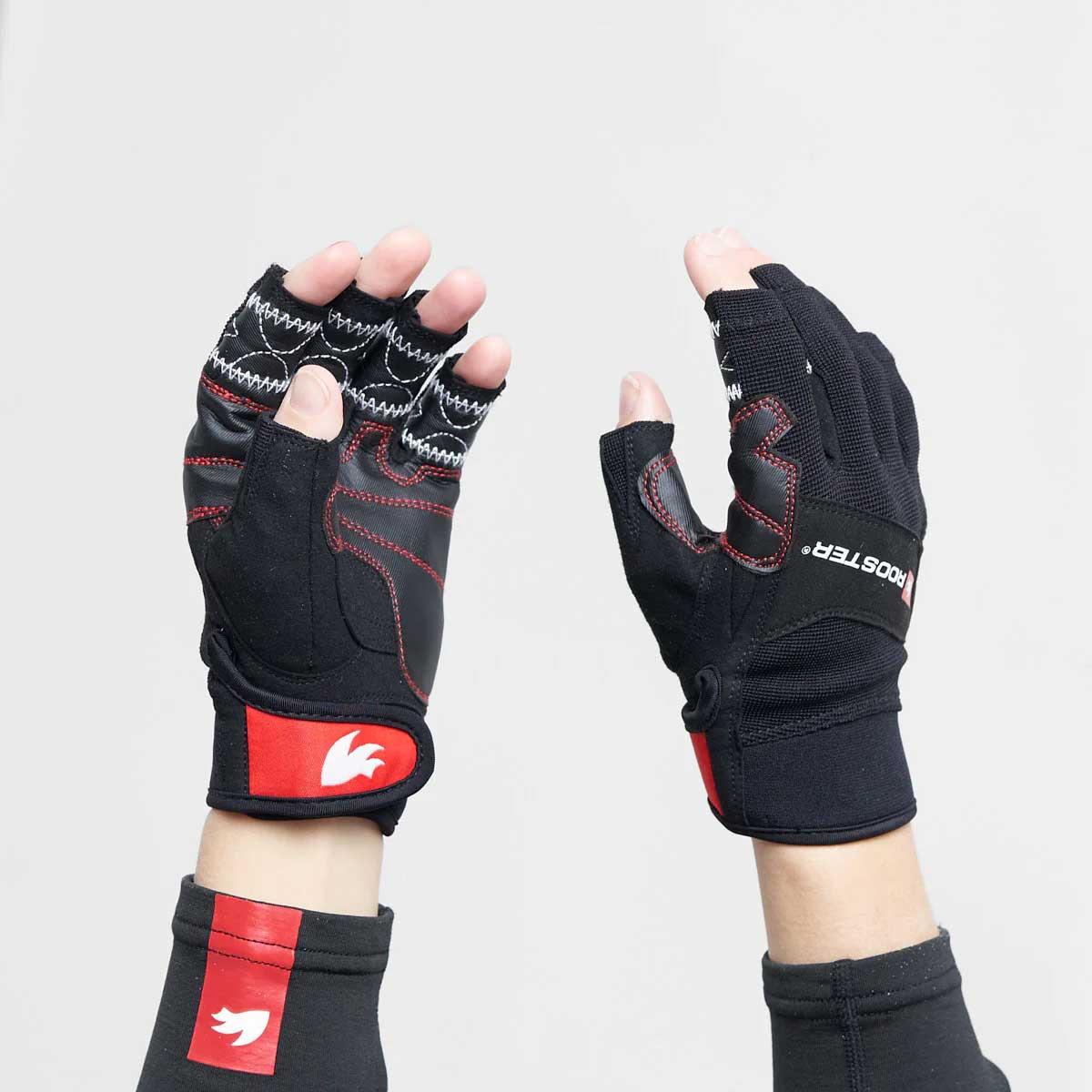
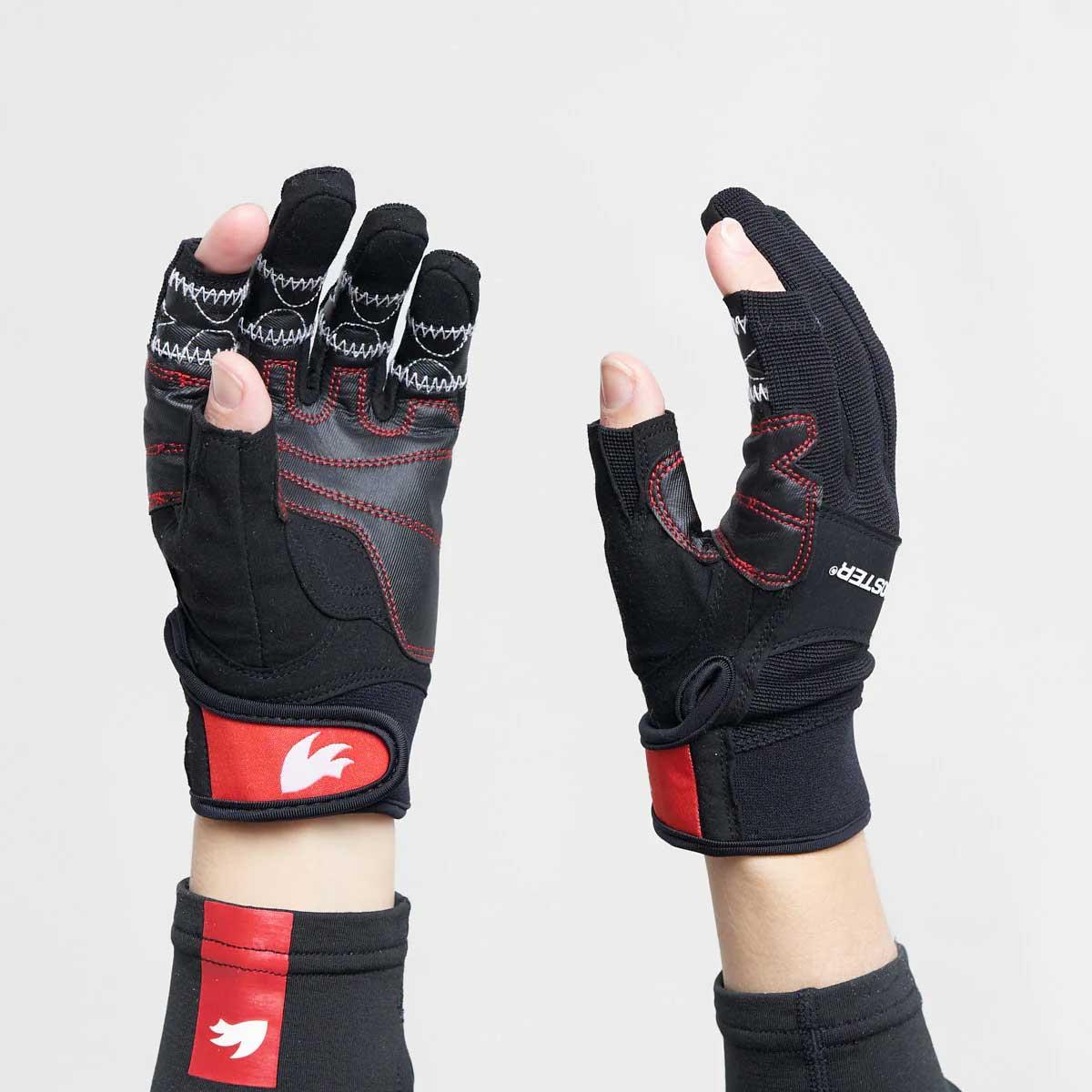
Short finger for most of the year, long finger from September to April. Short finger gloves leave your fingertips free, so you can feel the rope, undo a knot and work a cleat without taking them off. Long finger gloves cover the whole hand and are warmer, but you lose some dexterity. Many sailors own both and swap with the season. If you can only buy one, buy short finger and add a liner when it turns cold.
What makes a sailing glove different from a cycling or gym glove?
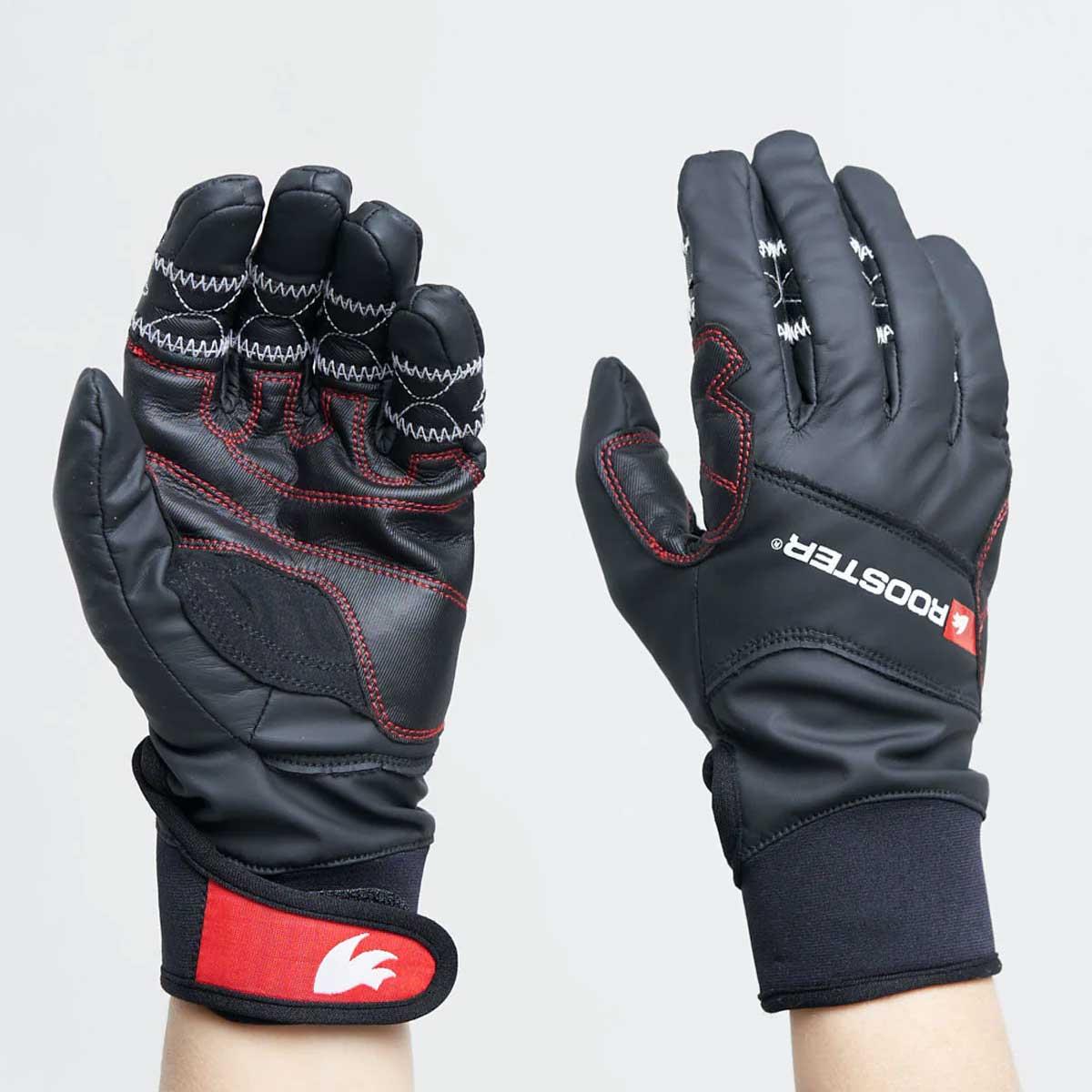
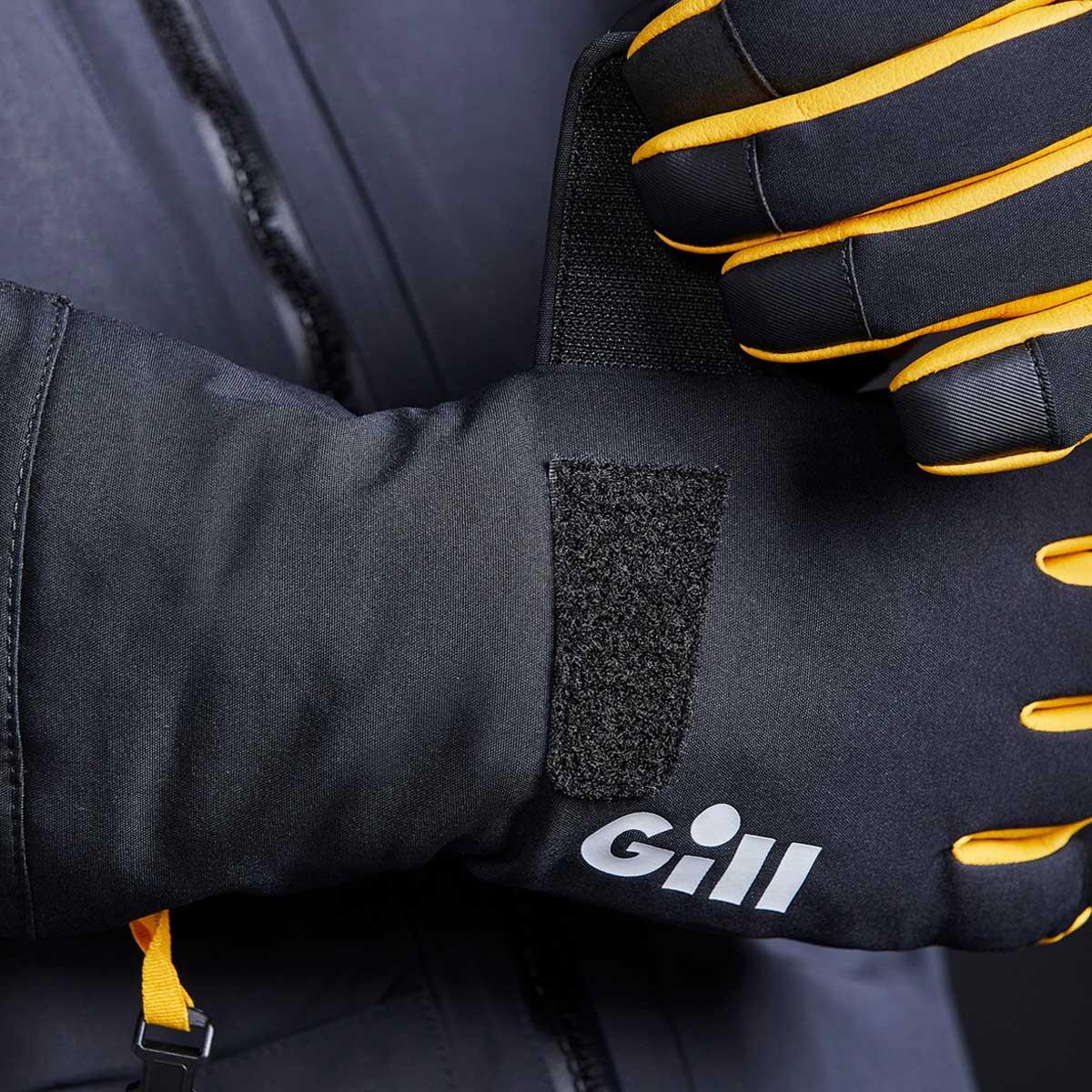
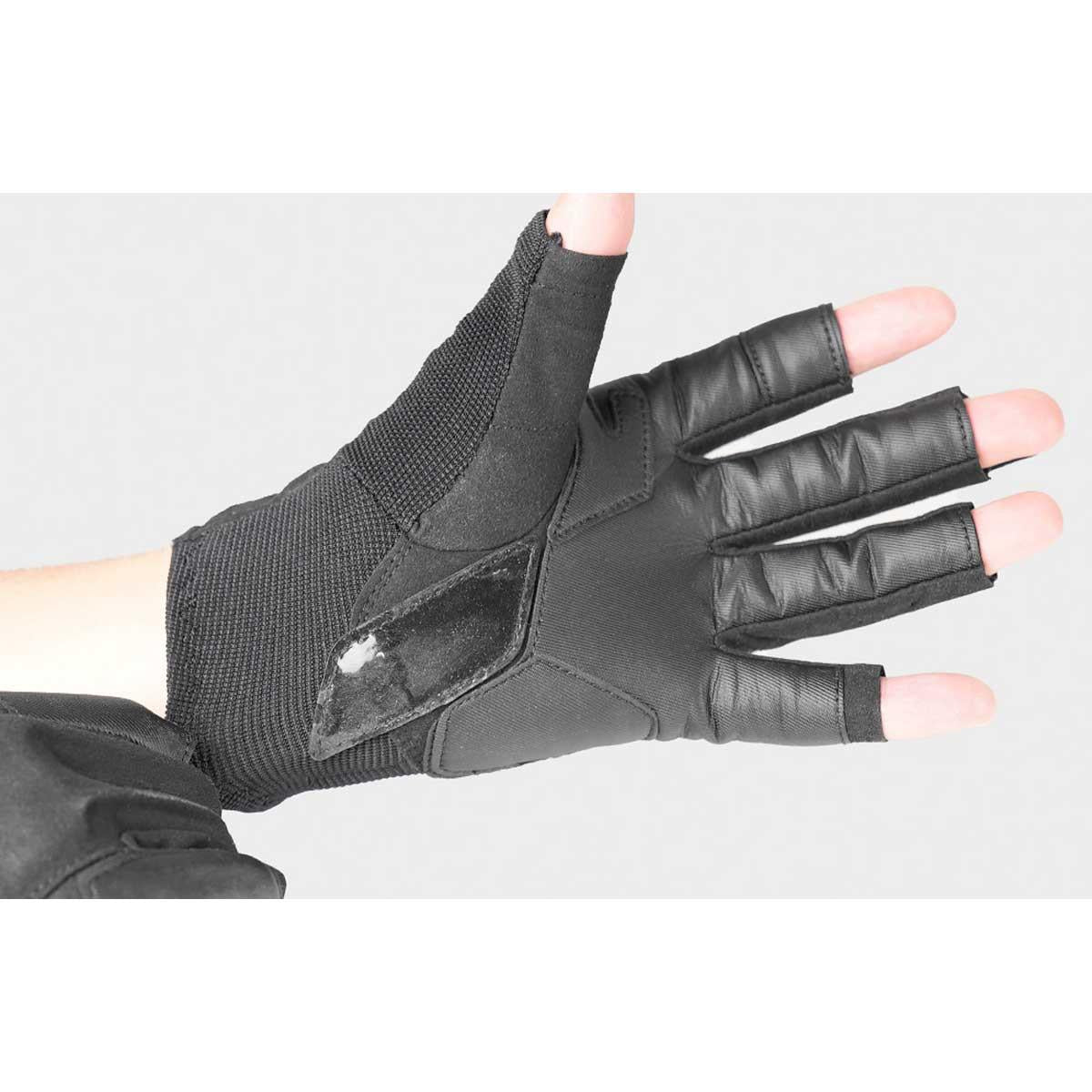
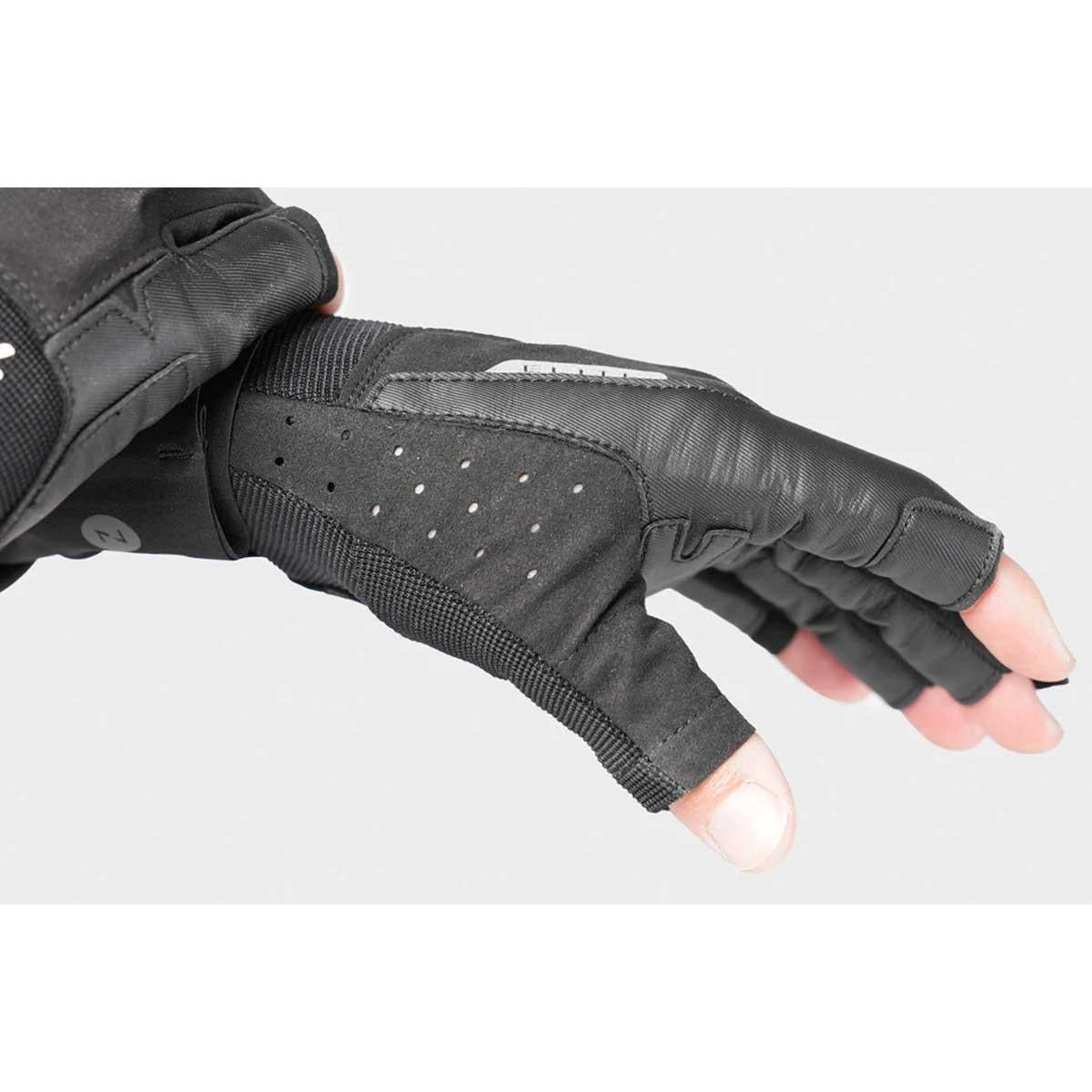
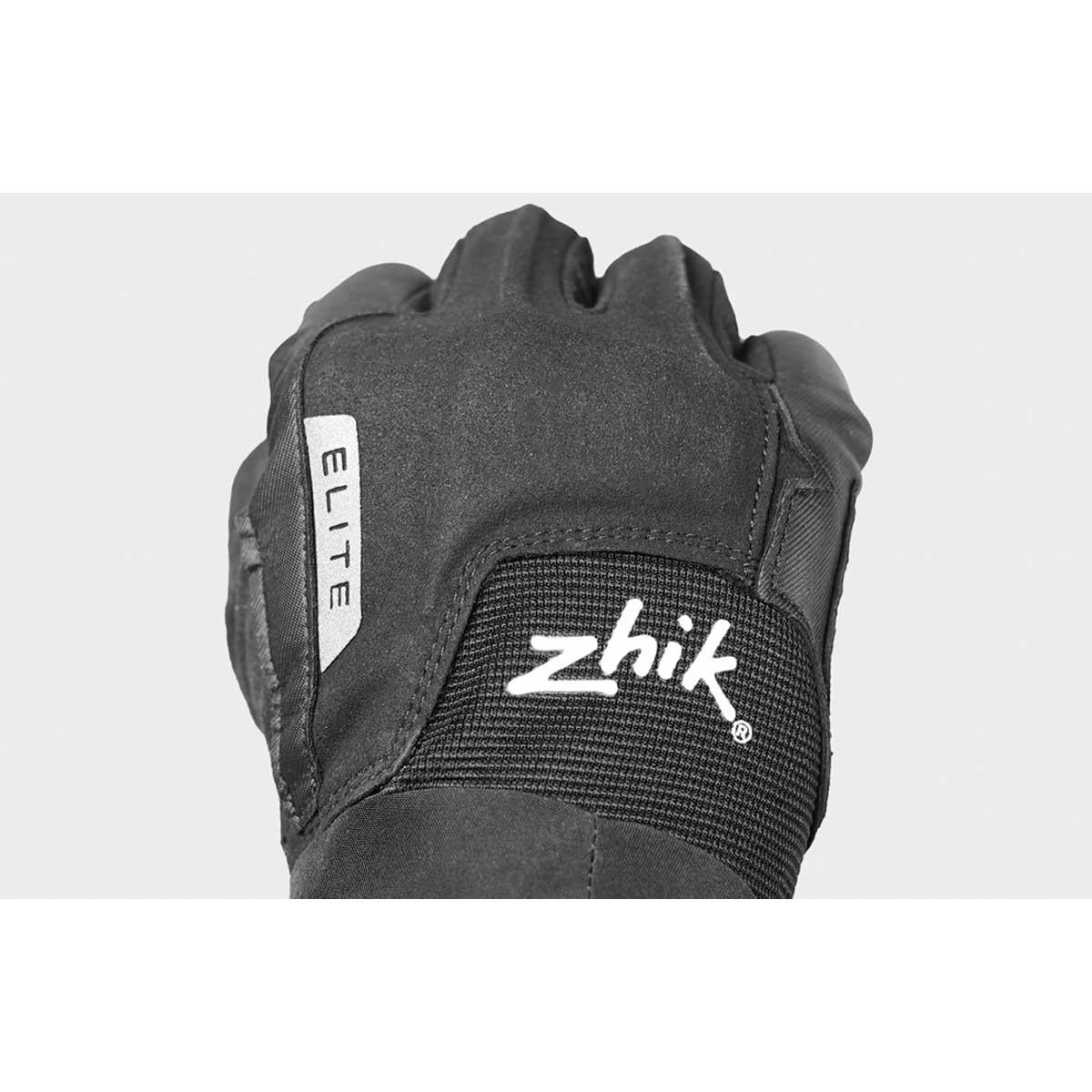
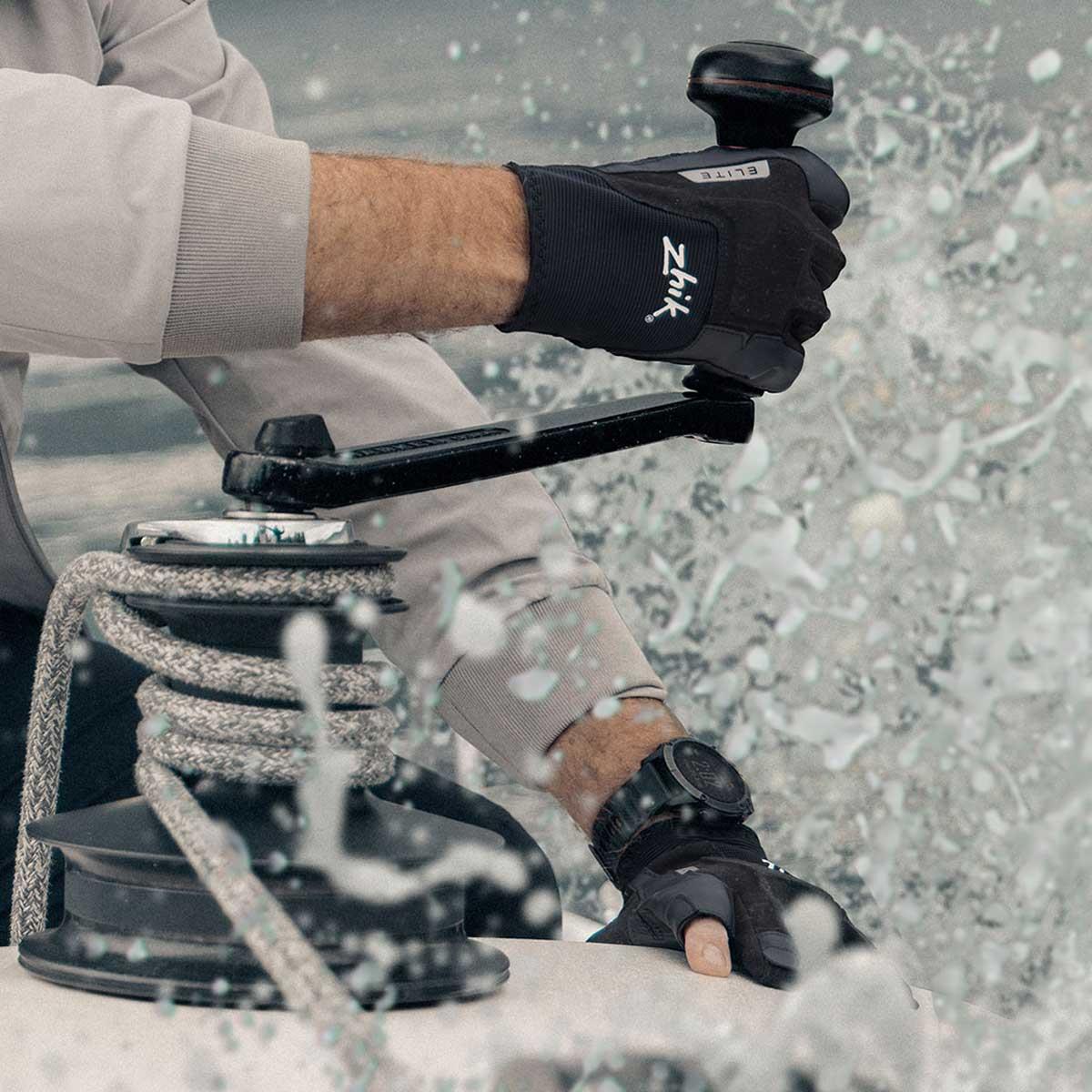
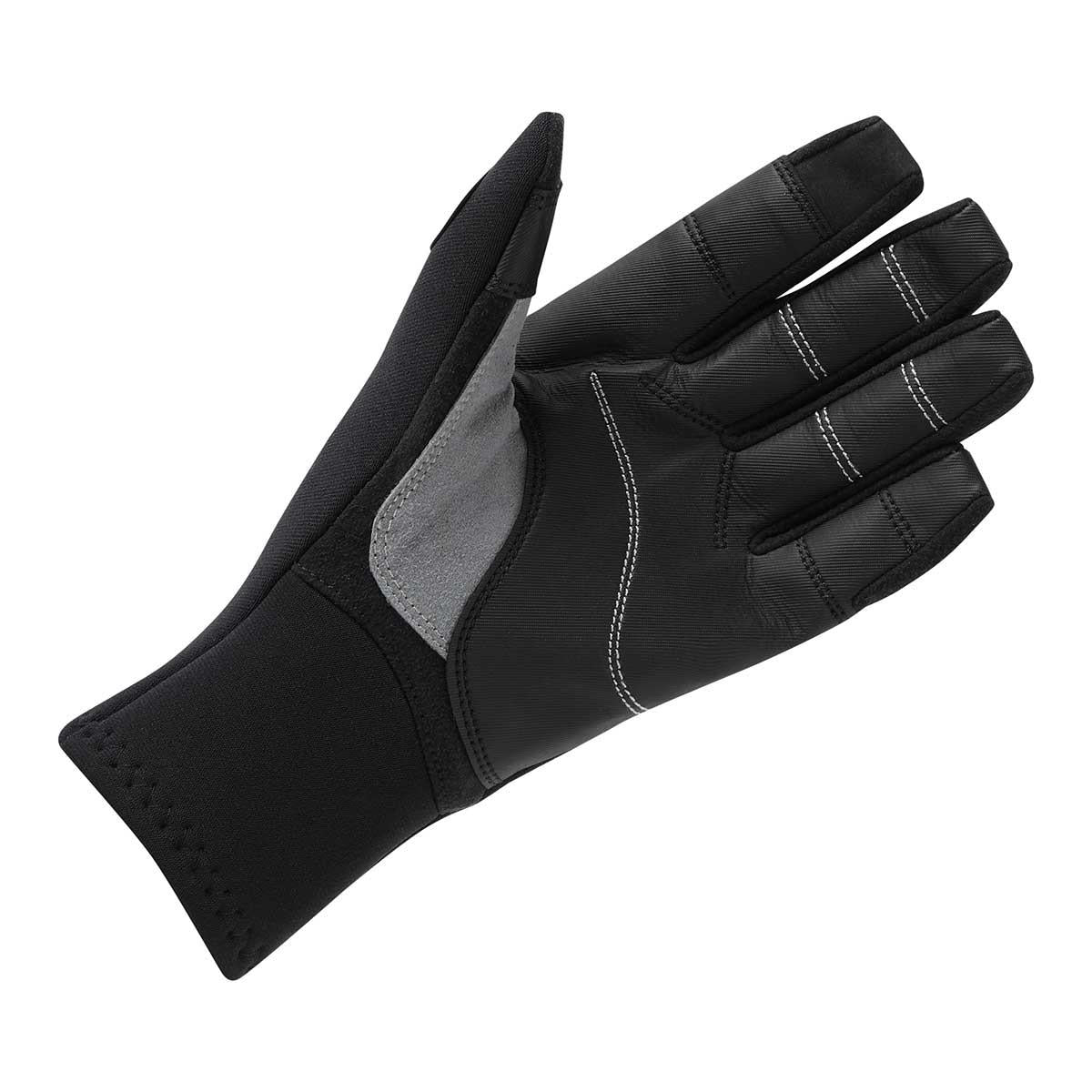
The palm. A sailing glove has a reinforced synthetic leather or rubber palm that grips wet rope and does not wear through on a cleat in a season. The rest of the glove drains and dries fast instead of holding water. A cycling glove has padding where you do not want it and a palm that goes slippery when wet. For an occasional sail anything will do. For a season of racing, buy the real thing.
How should sailing gloves fit?
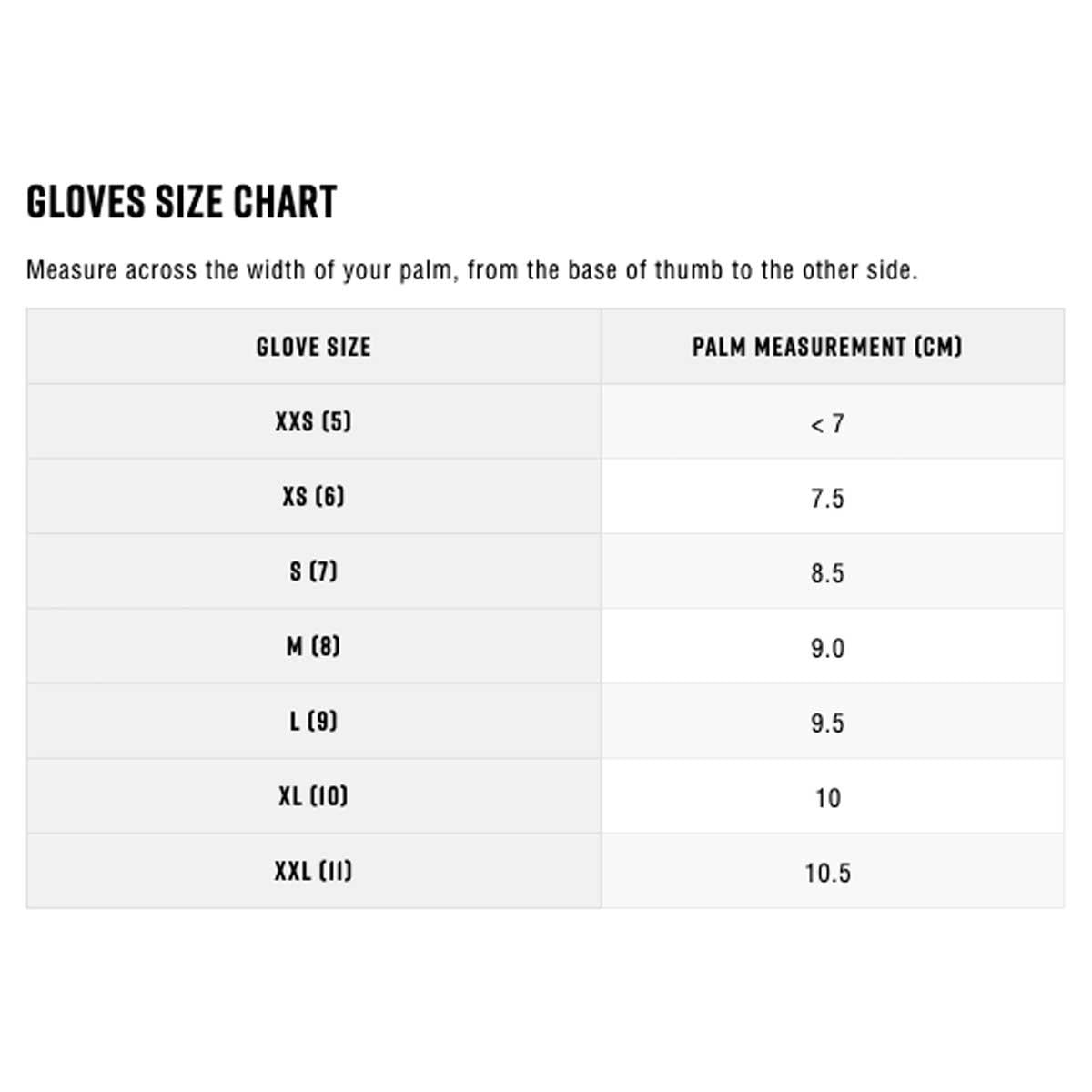
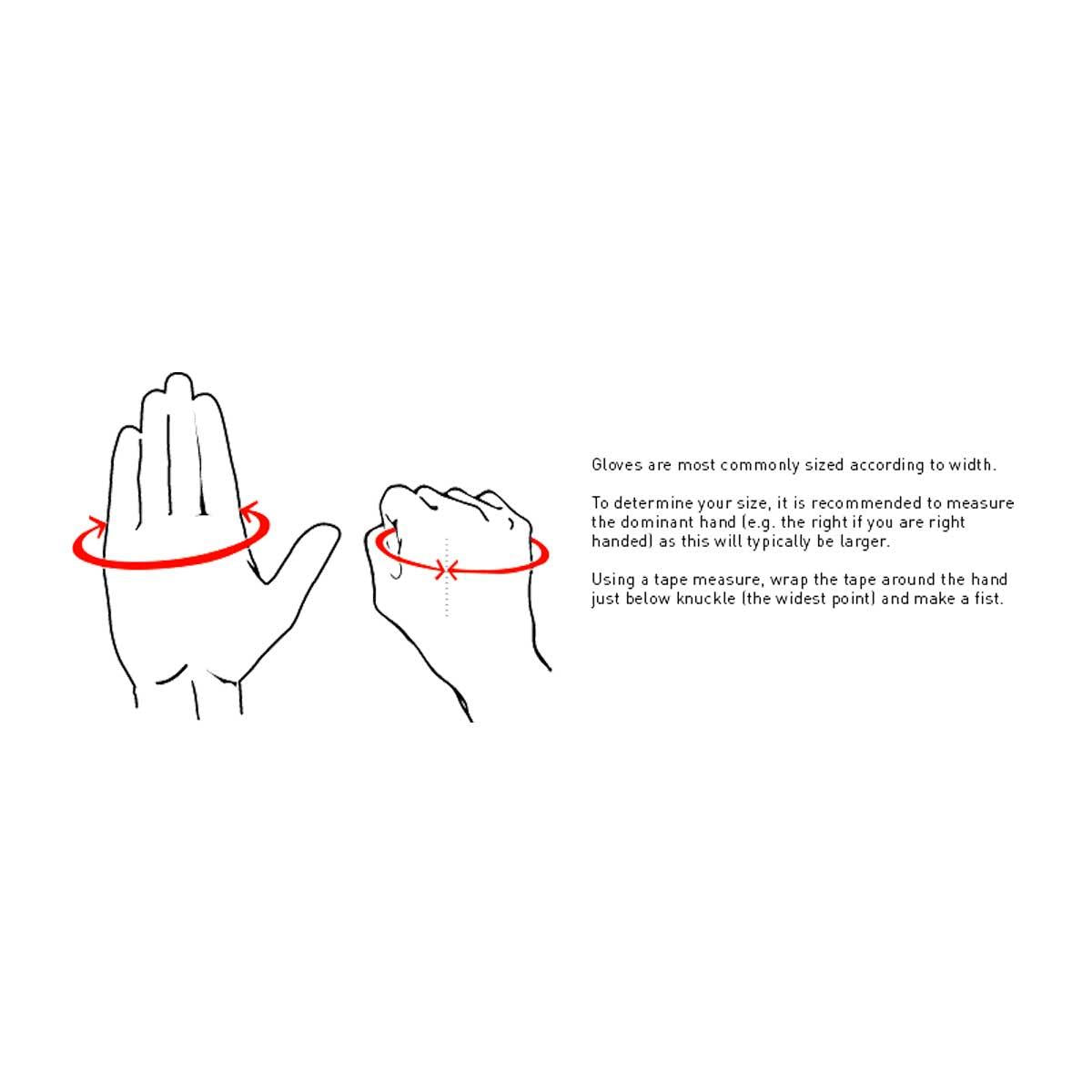
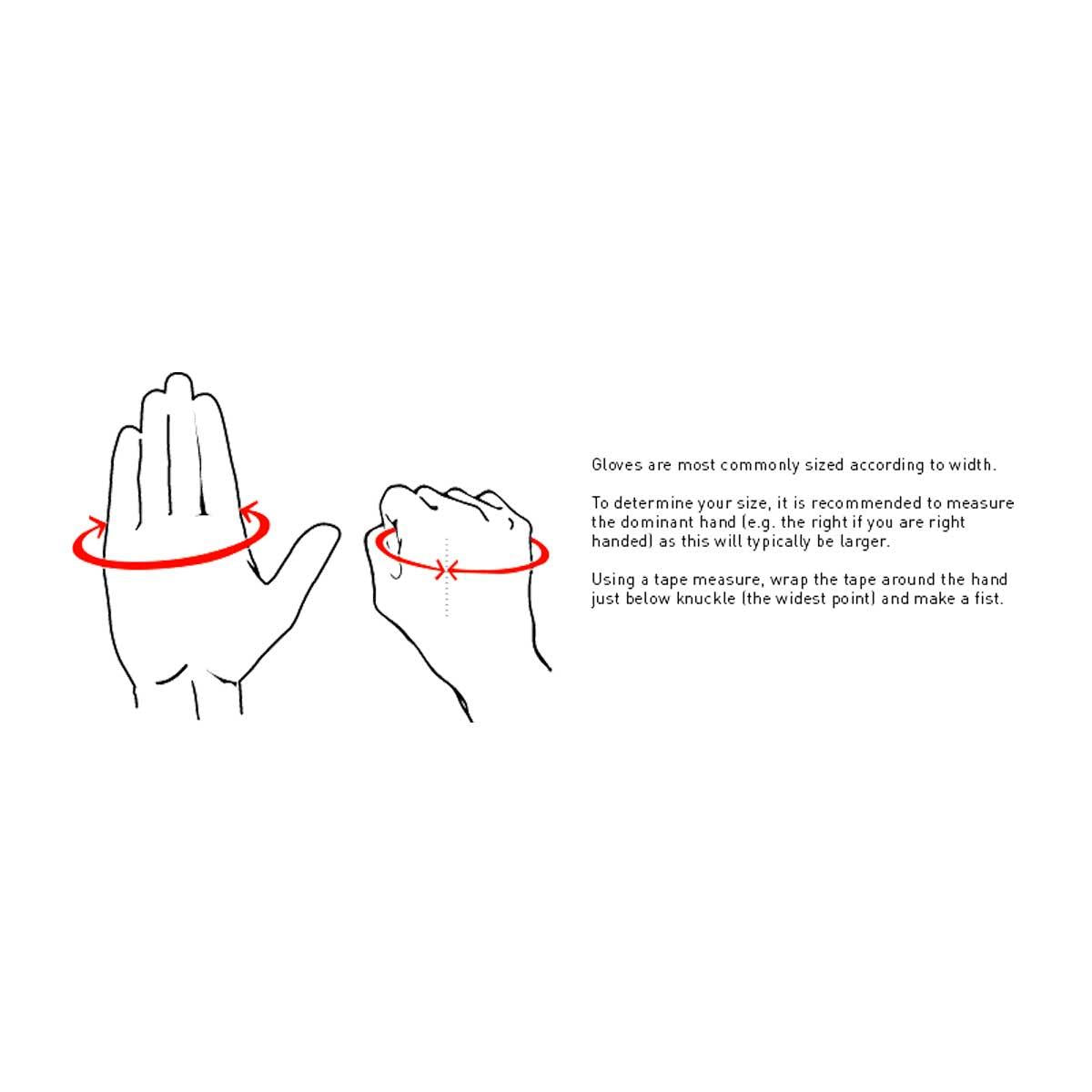
Snug across the palm with no loose material at the fingertips, because any slack bunches up when you grip and that is what causes blisters. Try your usual glove size first and go down if it feels loose. They stretch a little when wet. Womens sizes run narrower across the palm and are worth buying if a mens small feels baggy. Junior sizes are cut for a child's hand rather than scaled down.
What gloves do I need for cold weather dinghy sailing?
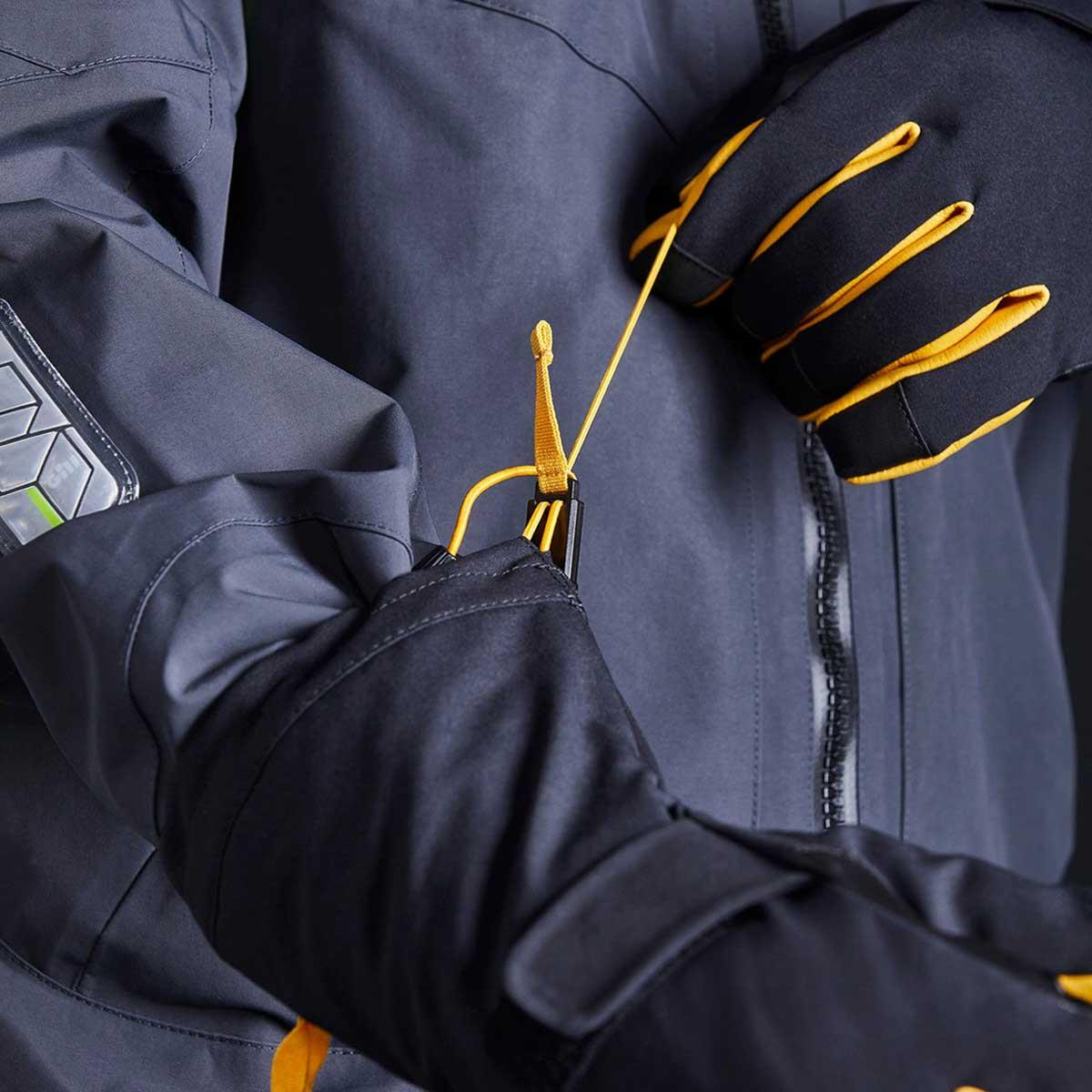
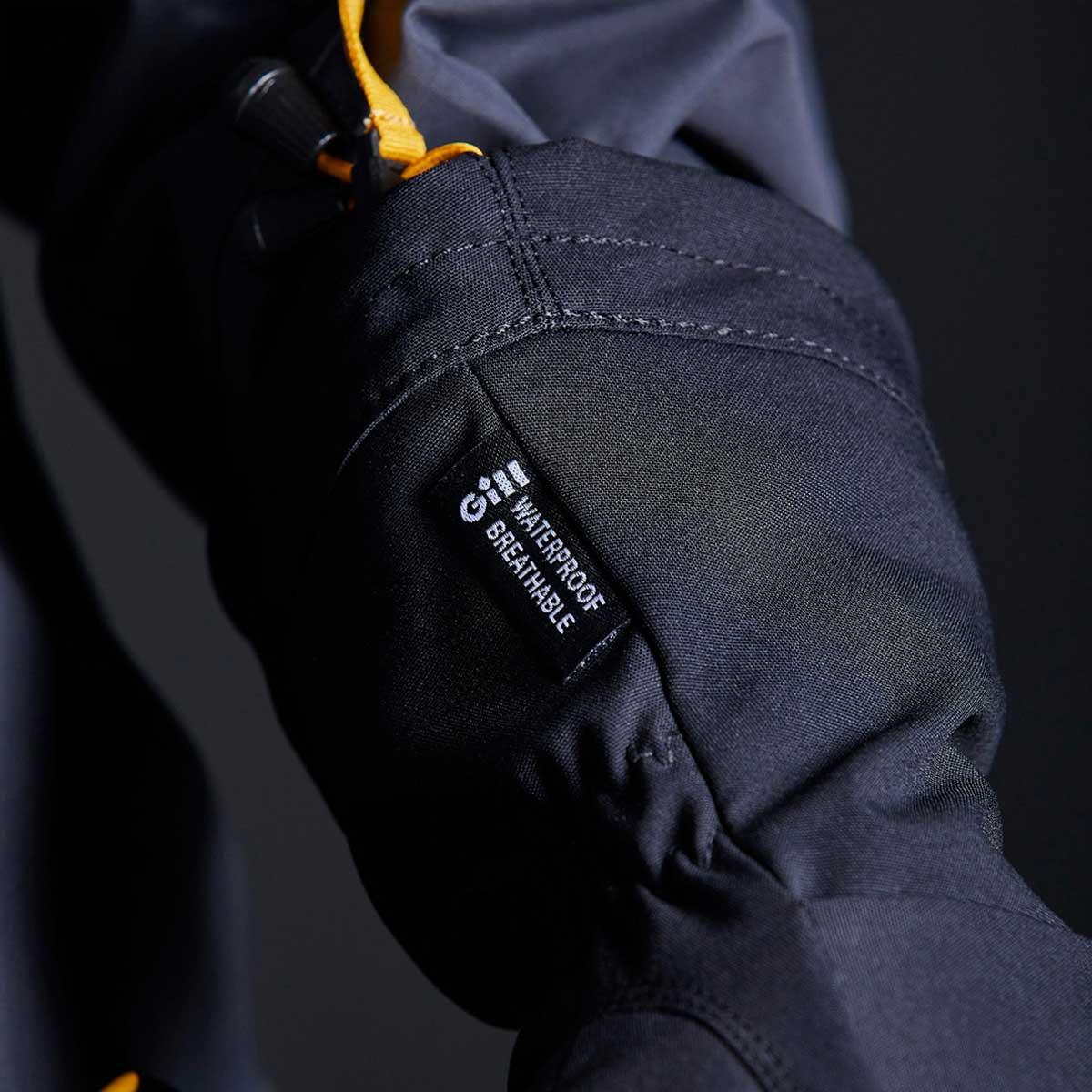
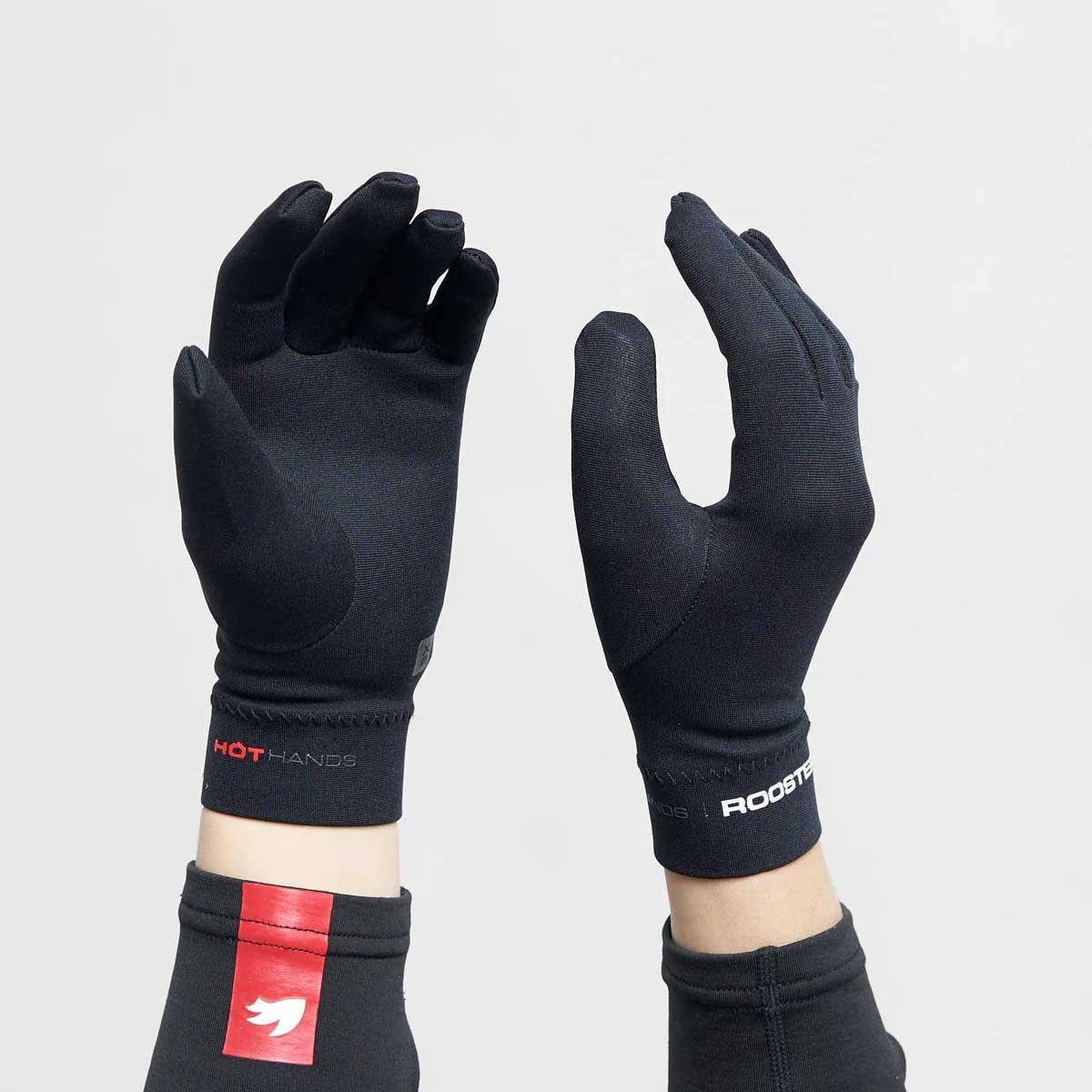
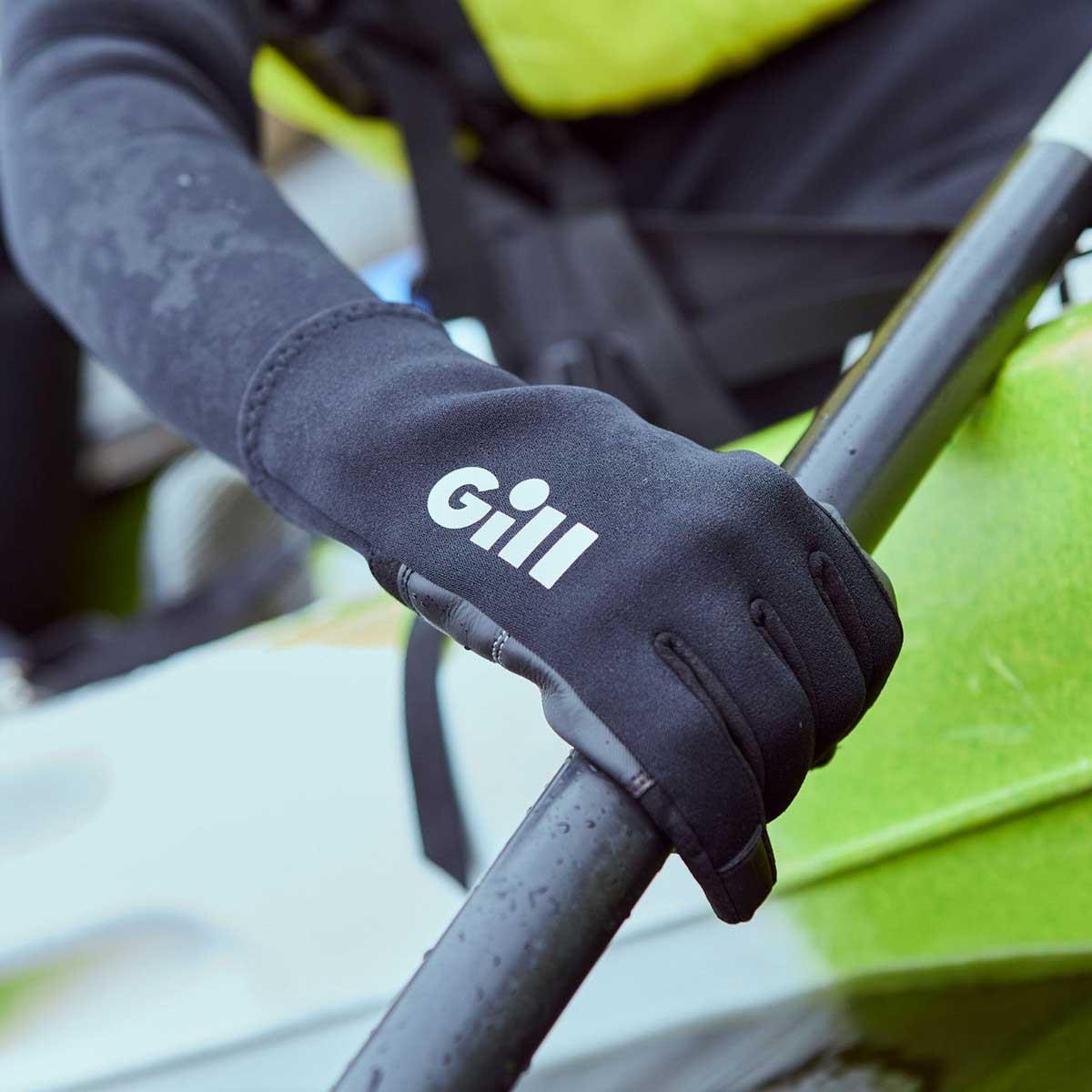
Long finger gloves with a thin liner underneath for most sailors, a neoprene winter glove for anyone whose hands go numb fast. The liner adds warmth without bulk, so you keep your feel on the sheets. A full neoprene glove is warmer still but thicker, so you lose some dexterity. Whichever you pick, keep a spare pair in the boat bag, because a wet glove in a cold wind is worse than no glove.
How long do sailing gloves last and how do I look after them?
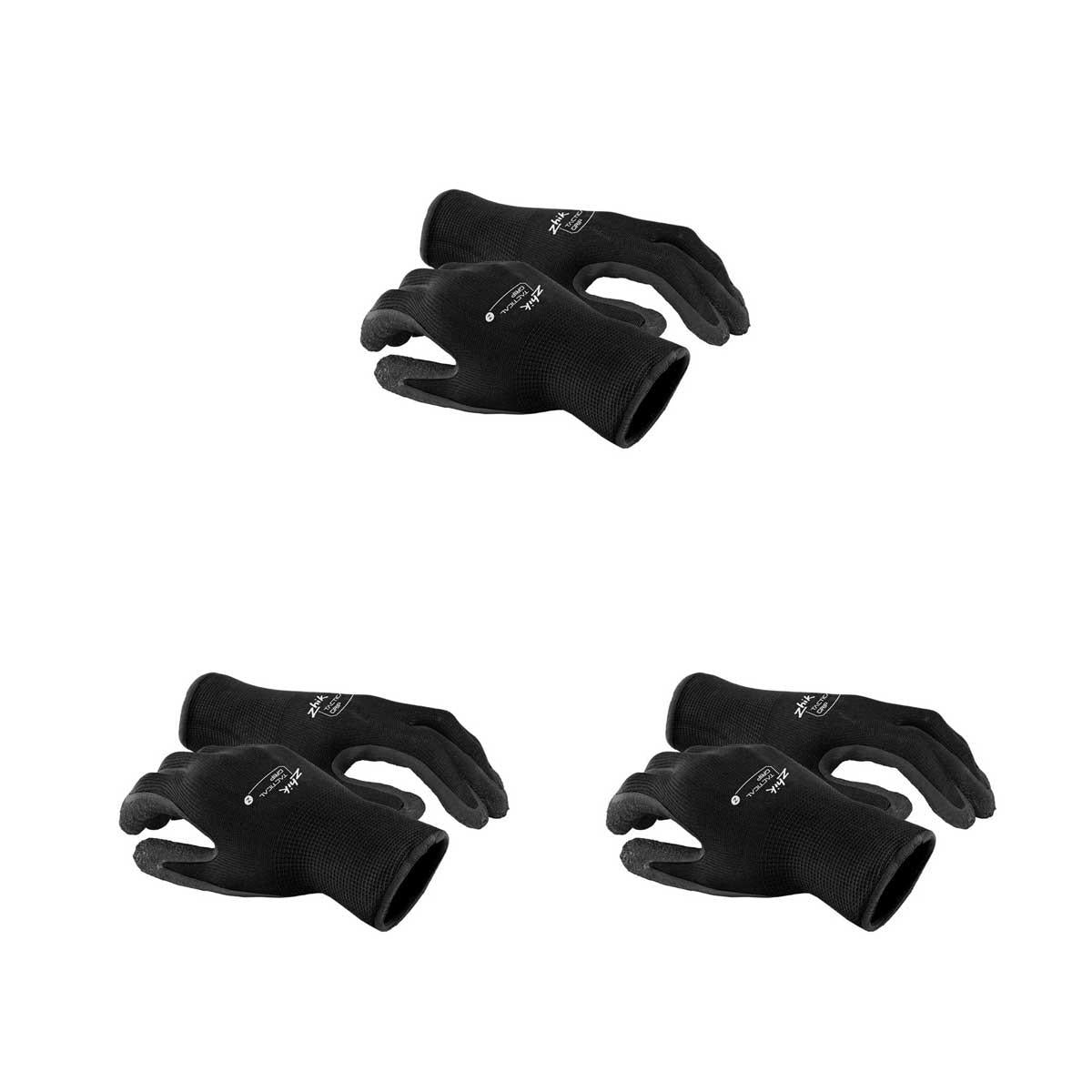
A season of regular racing, two if you rinse them. Salt is what kills a glove, so rinse them in fresh water after every sail and dry them away from a radiator. The palm goes first, usually where the mainsheet runs, which is why a reinforced palm is worth paying for. Cheaper gloves last a few months and are fine for a junior who will grow out of them anyway. See our kids dinghy sailing clothing.