Dinghy Sailing Accessories FAQs
Which sailing accessories should I buy first?
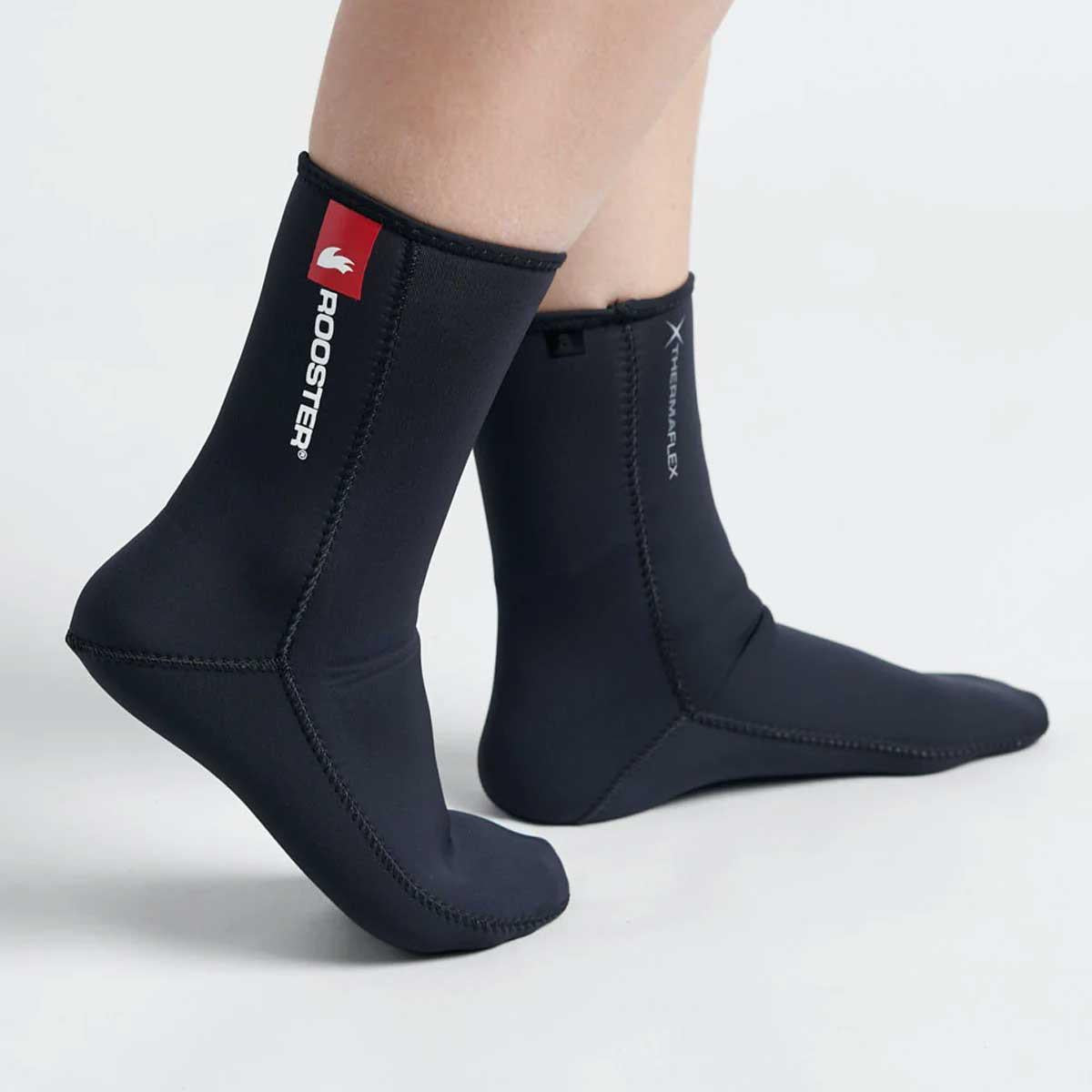
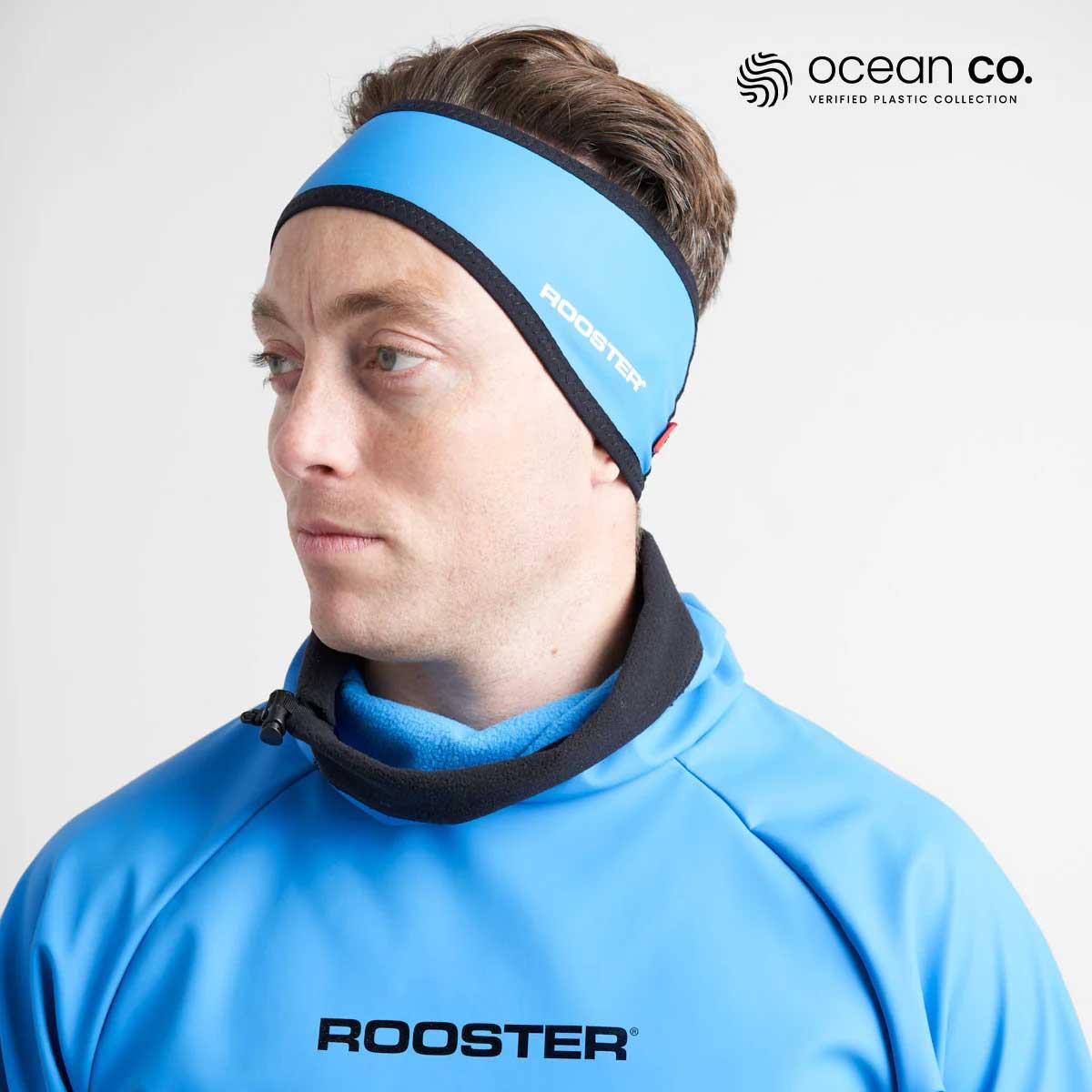
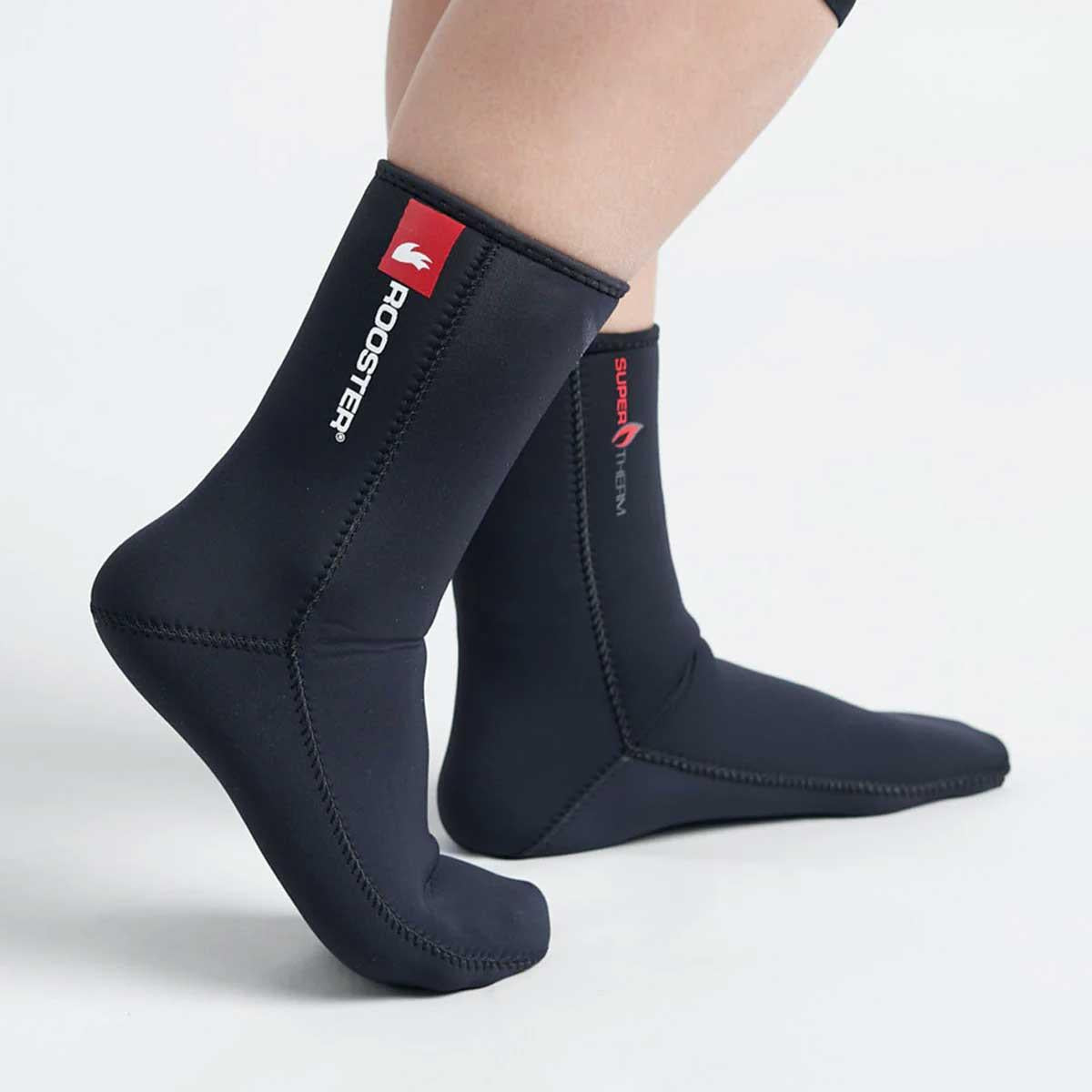
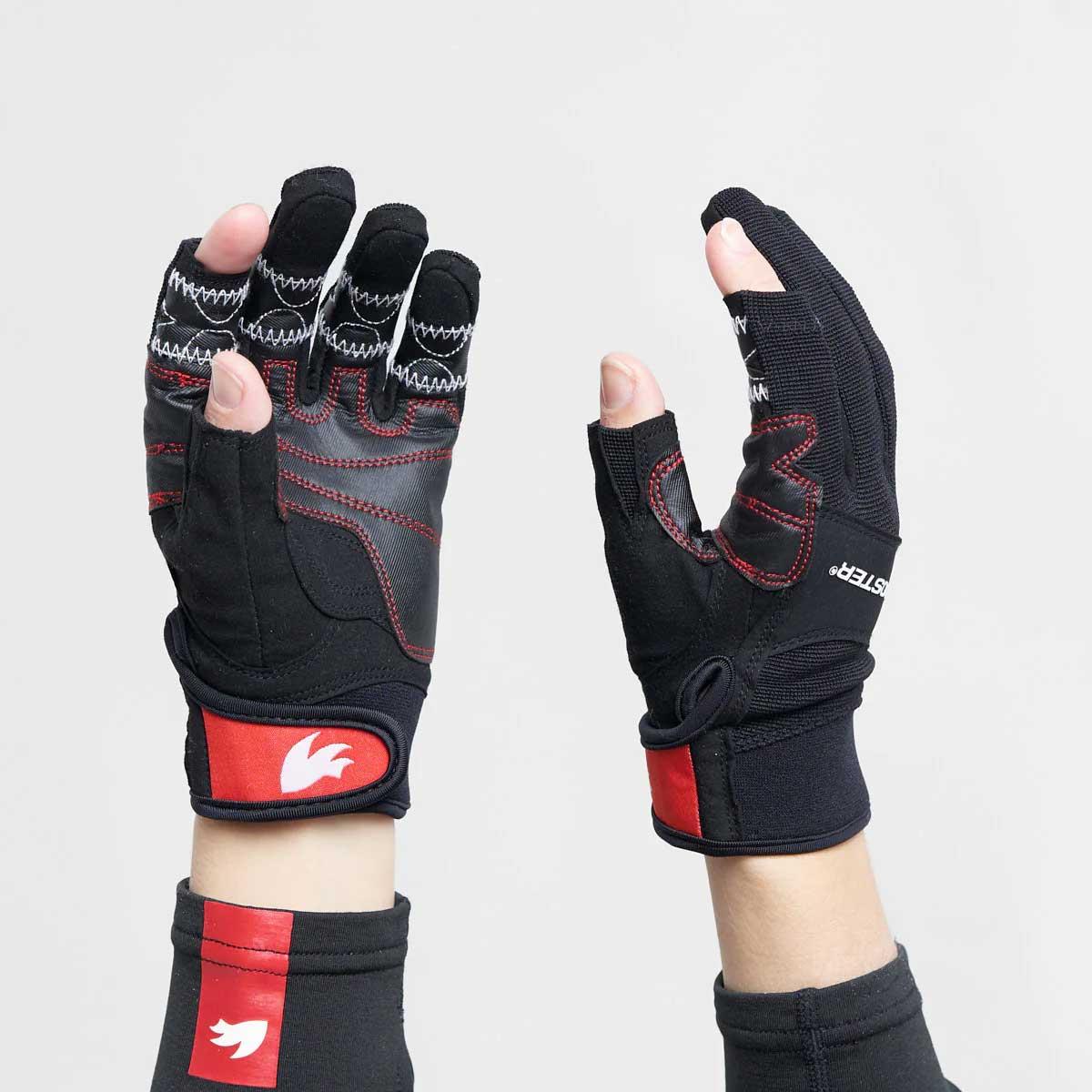
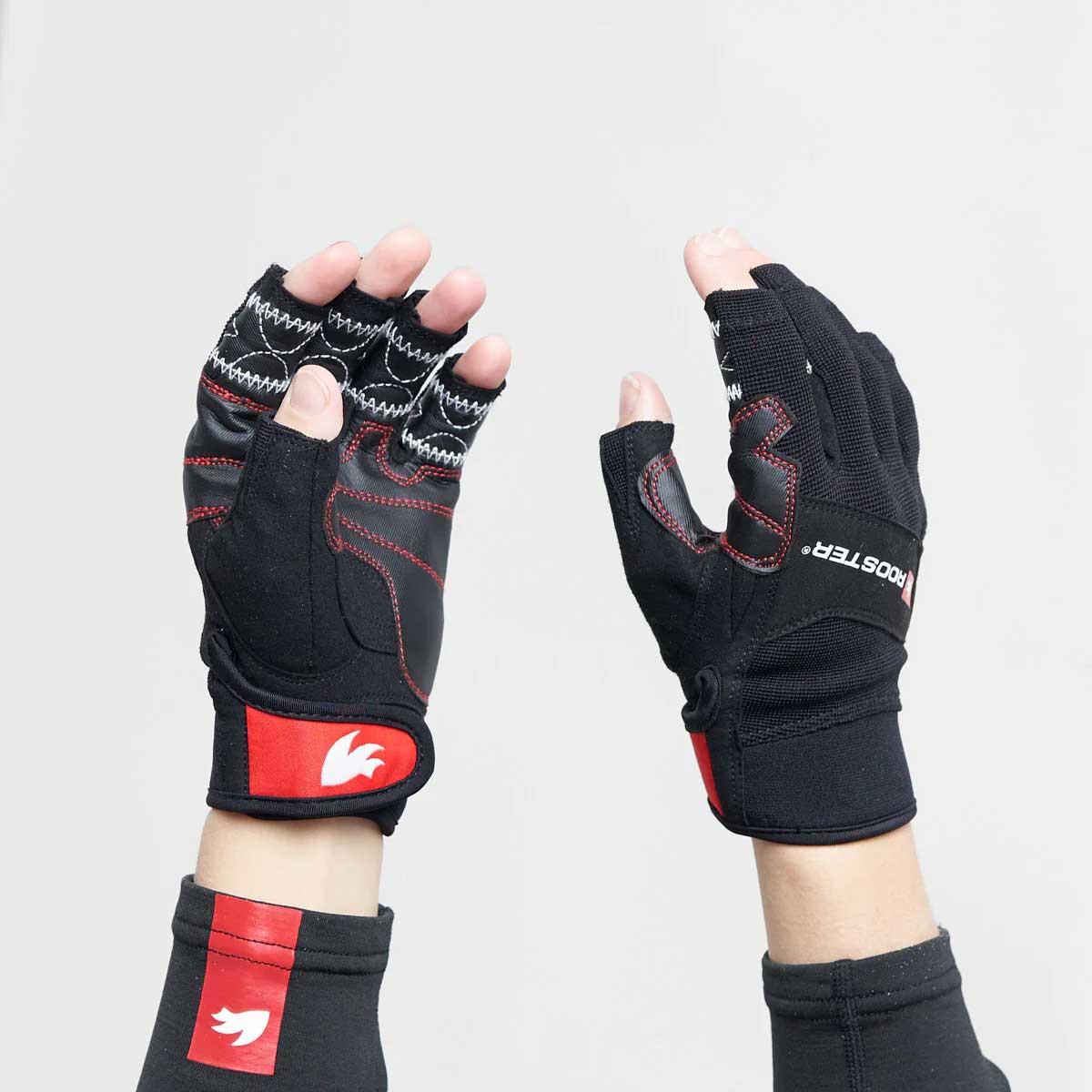
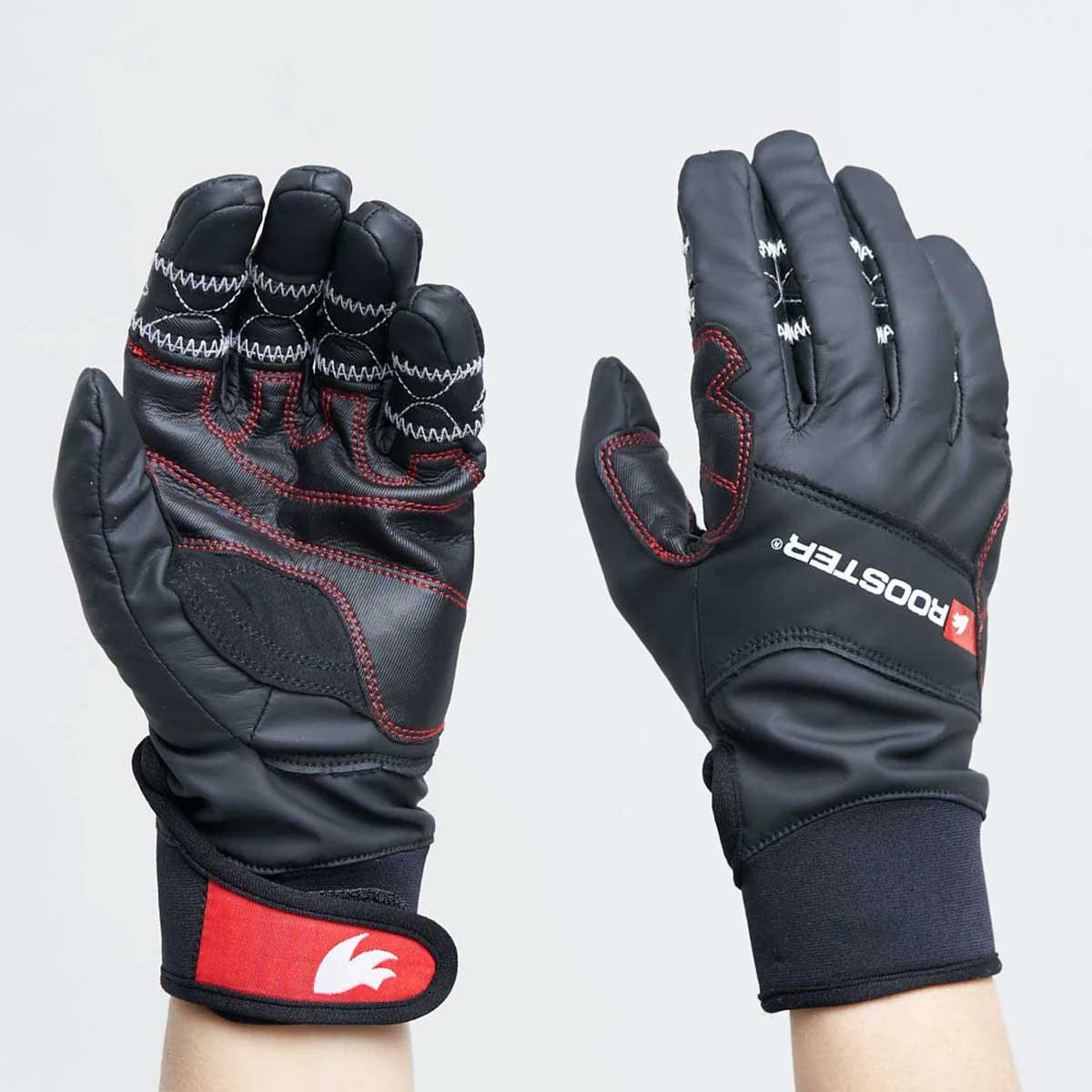
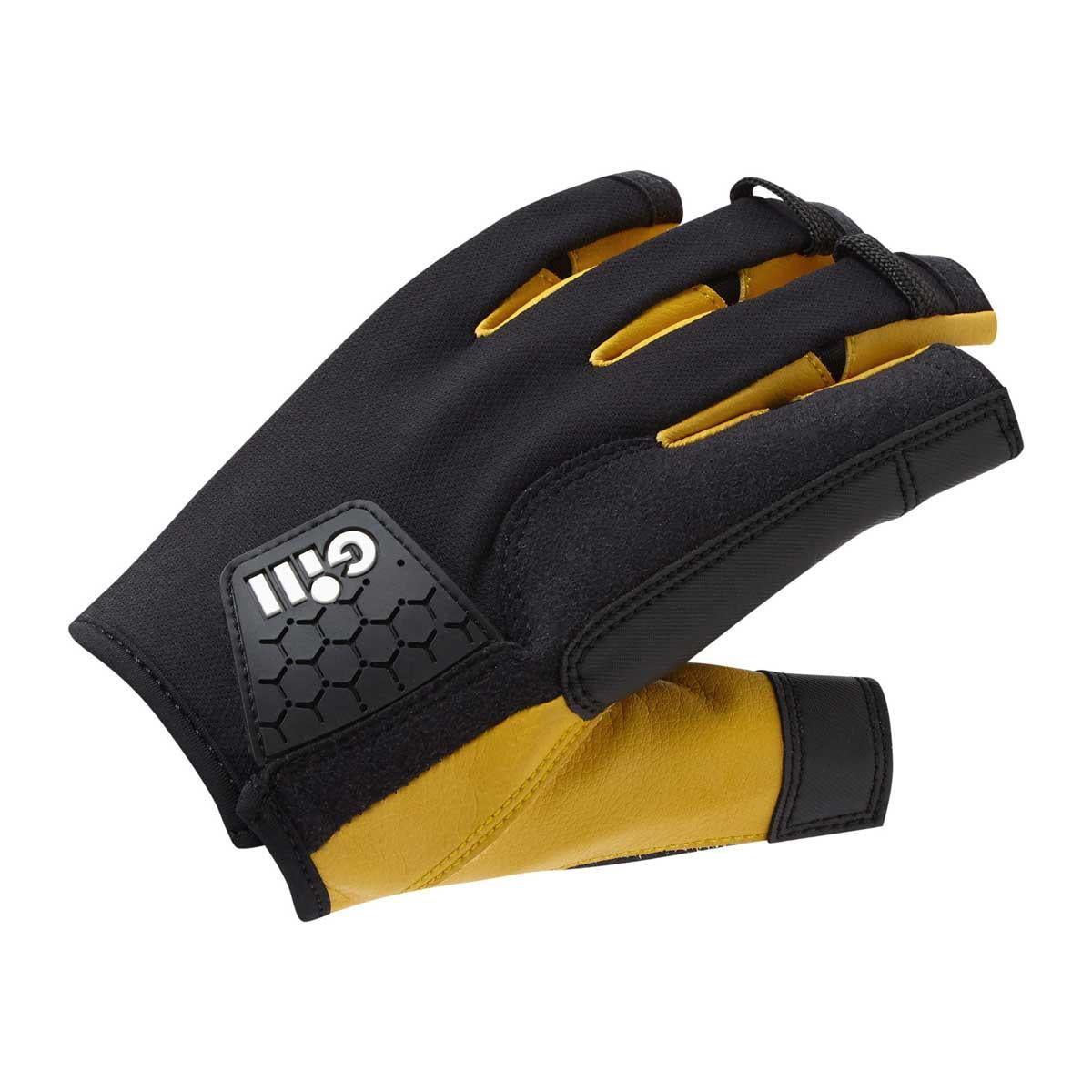
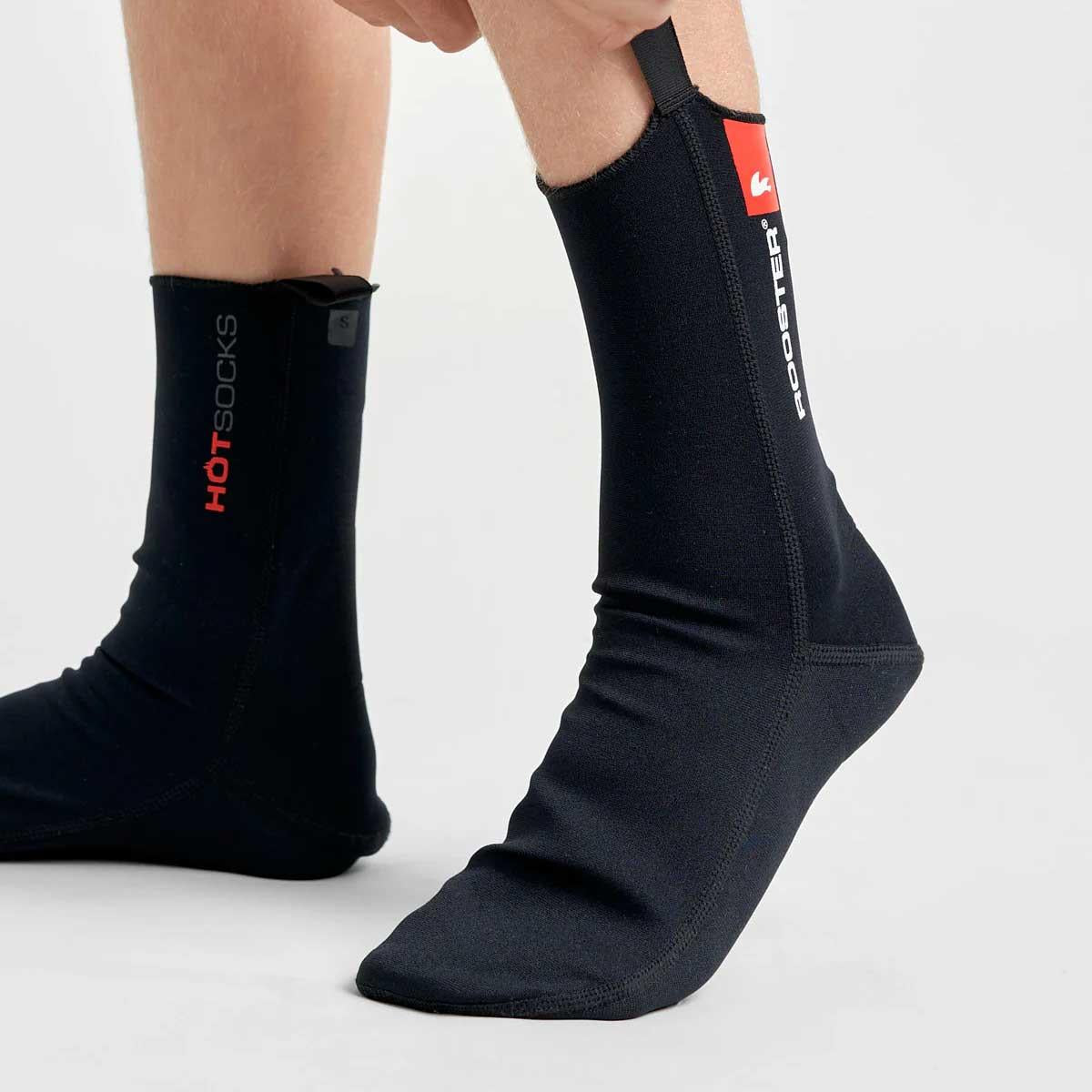
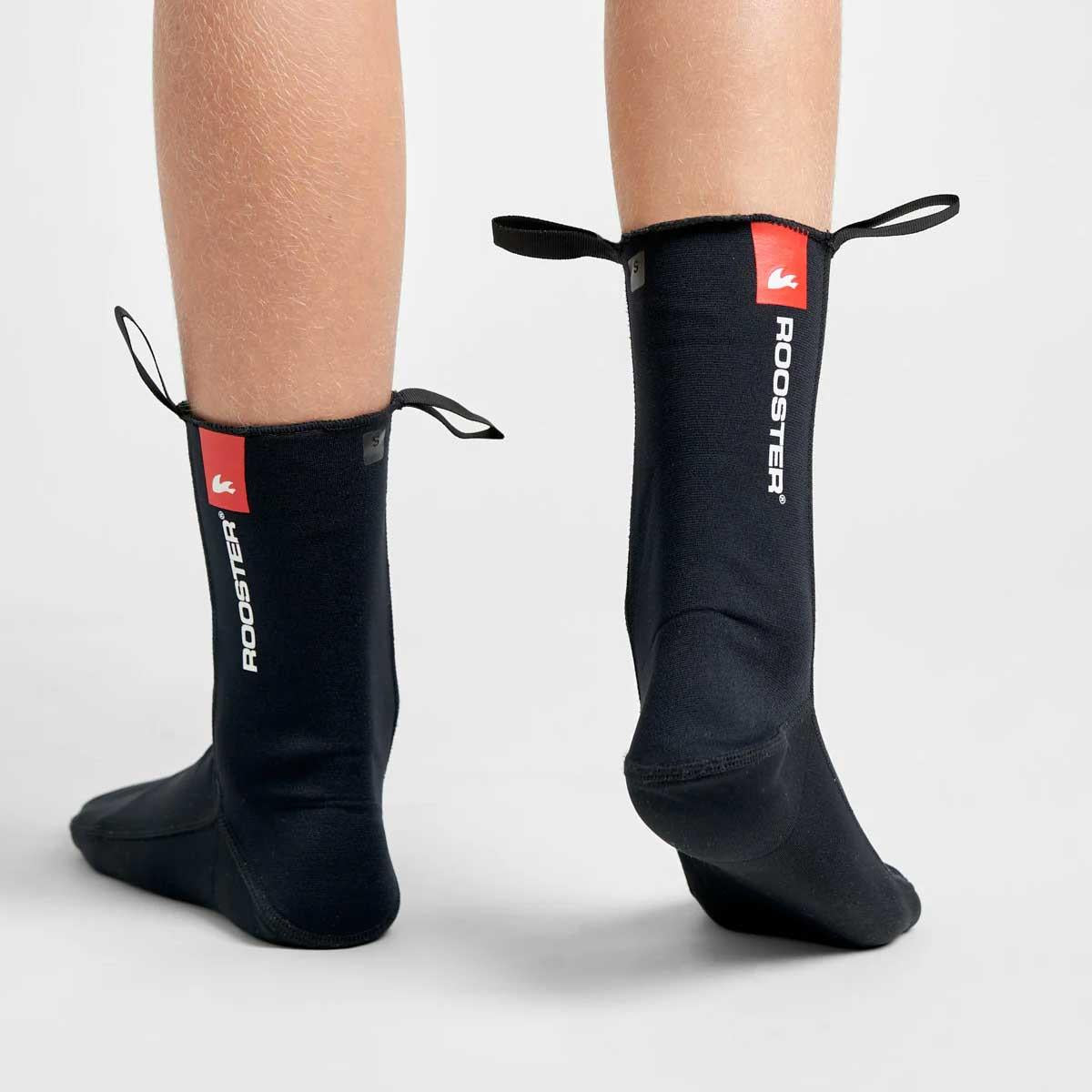
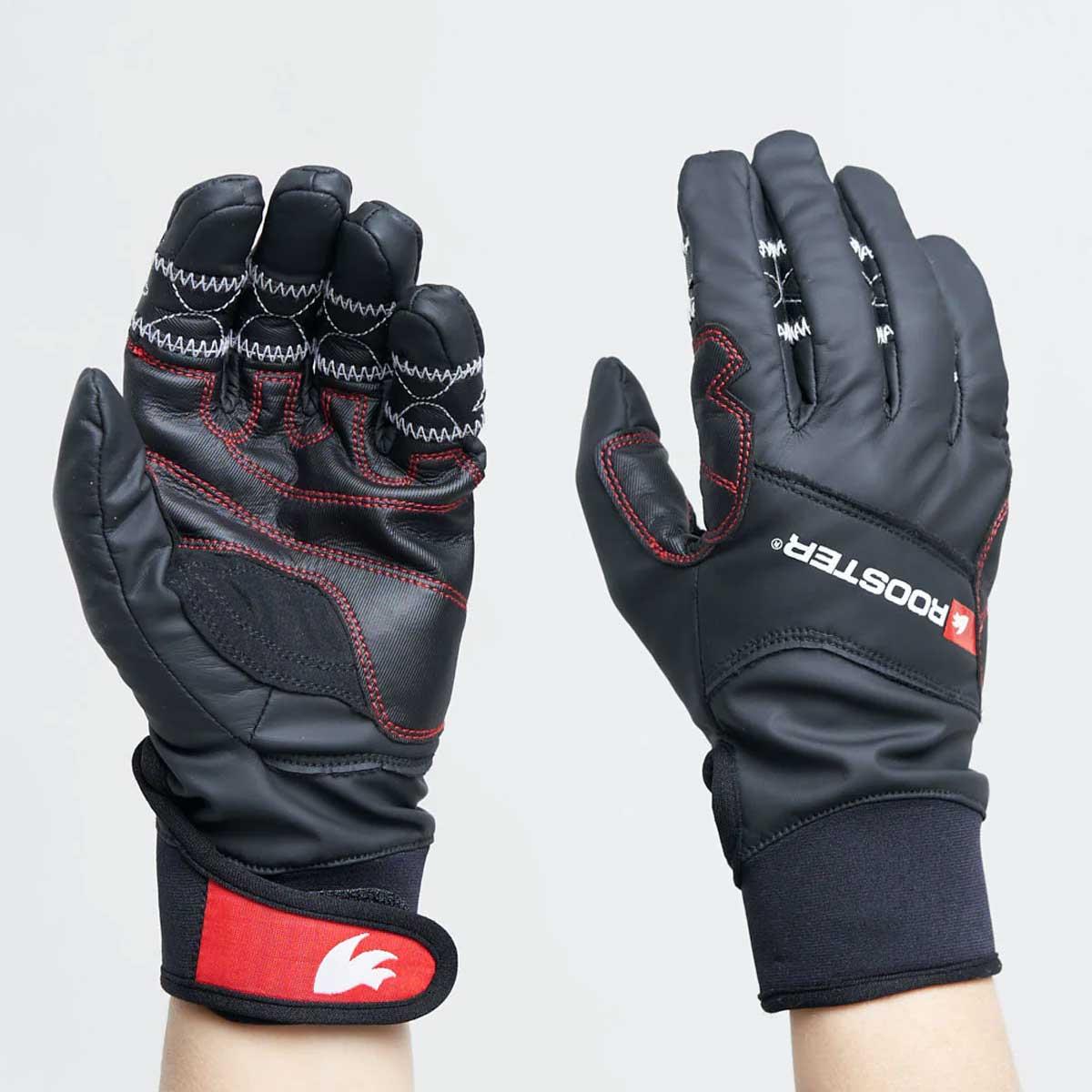
Gloves, then socks, then something for your head. Gloves save your hands from the sheets and let you hold on when it blows. Socks keep you sailing in winter and stop boots rubbing in summer. A headband or hat under your buoyancy aid strap stops the heat leaving through your ears. Bags and sunglasses come after those three.
Should I buy short finger or long finger sailing gloves?
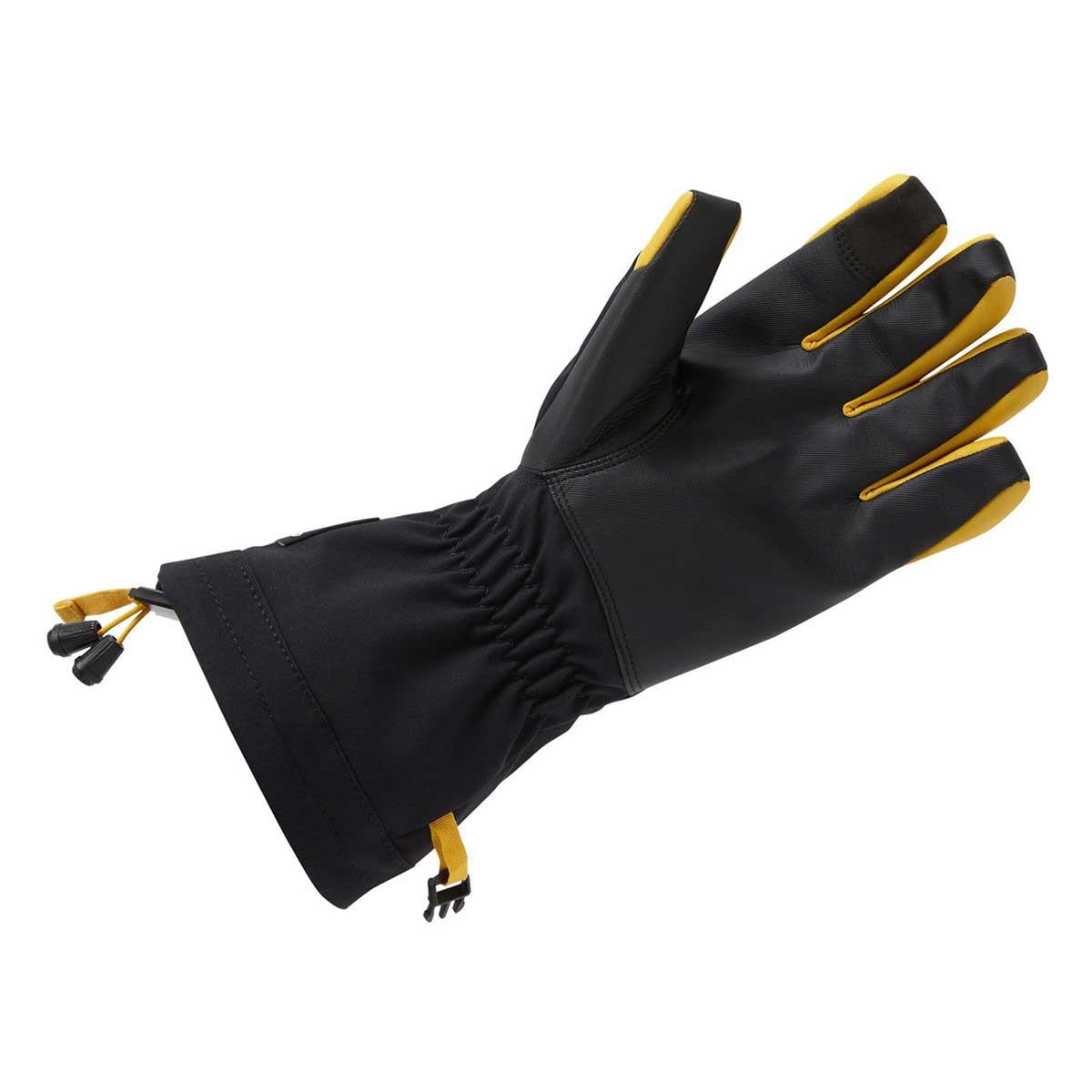
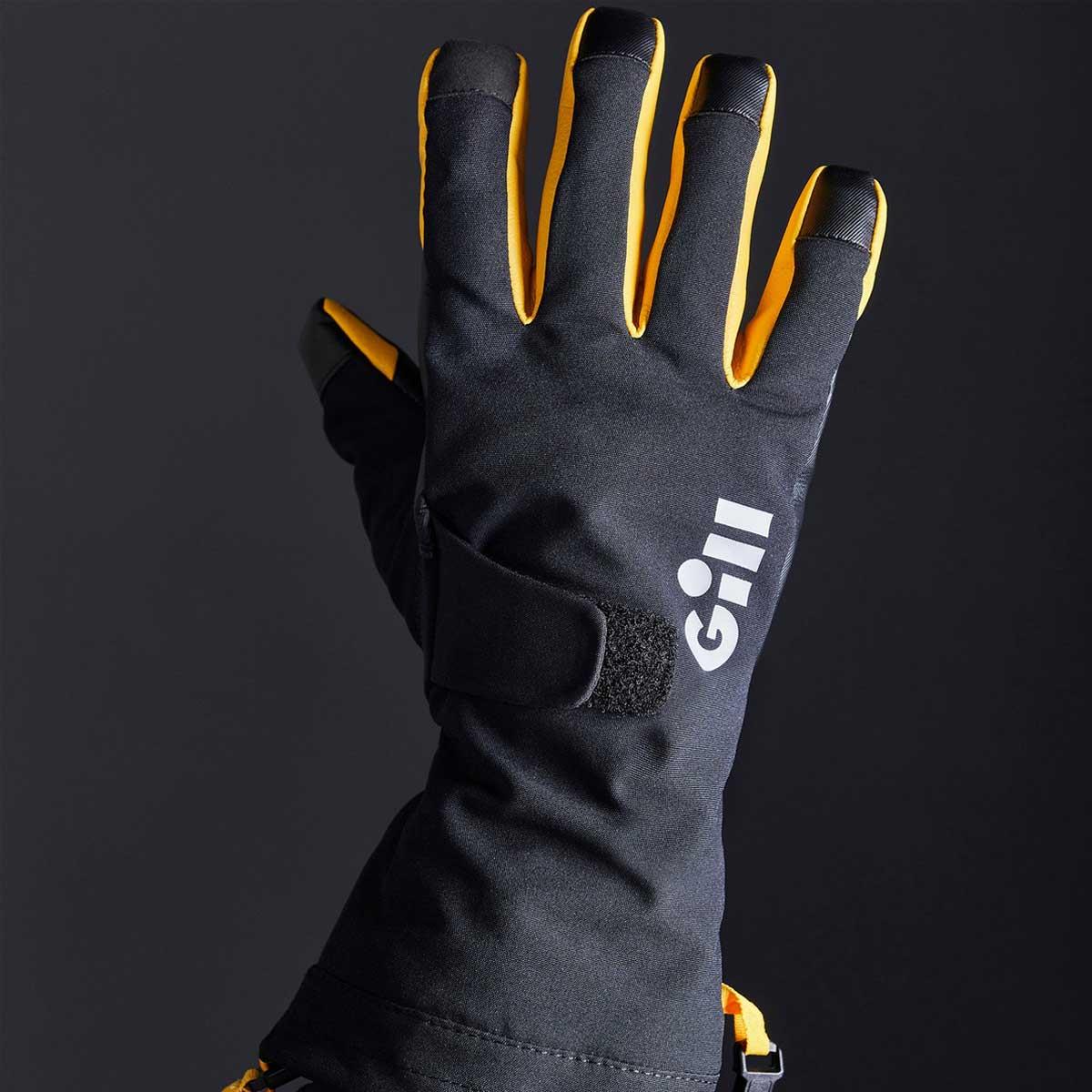
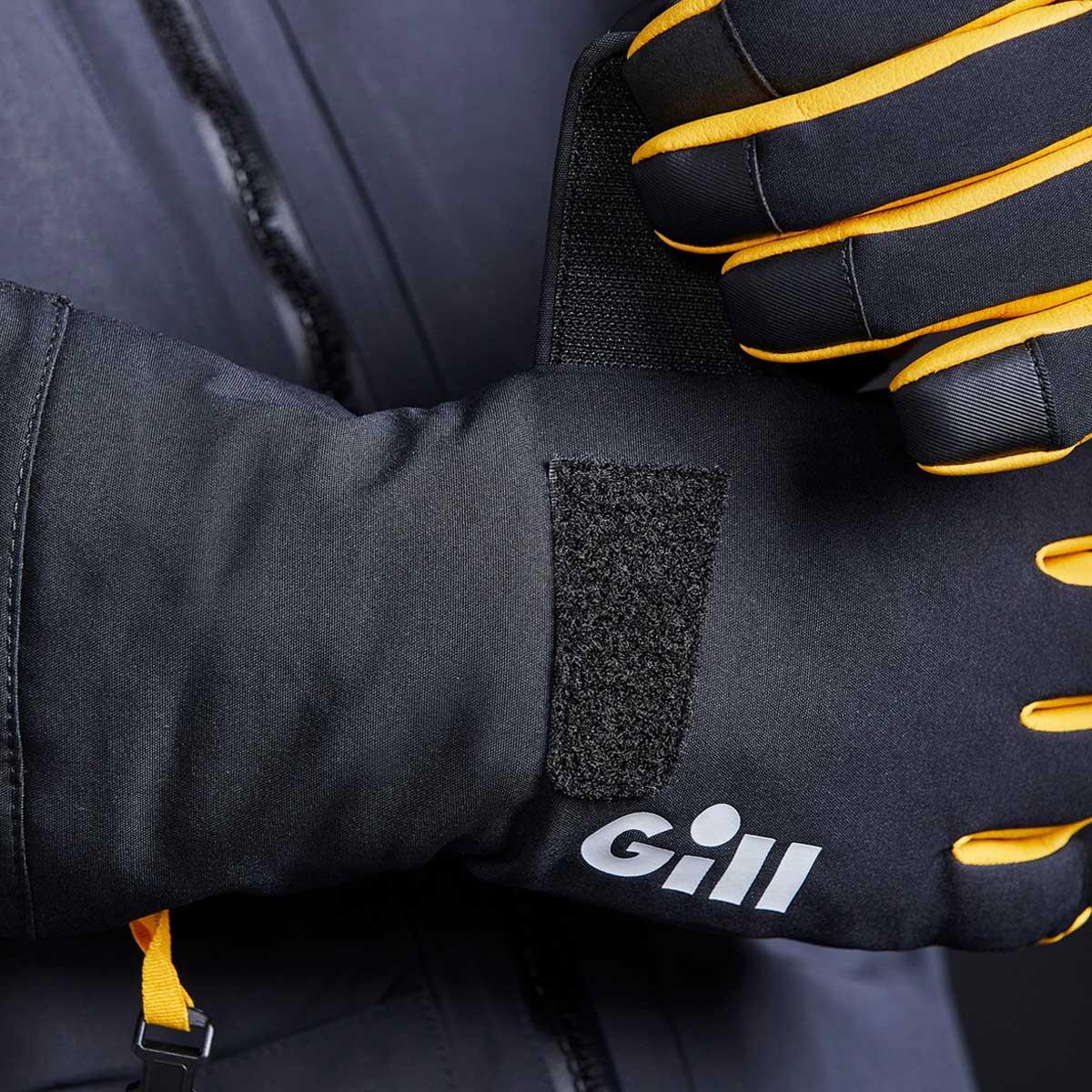
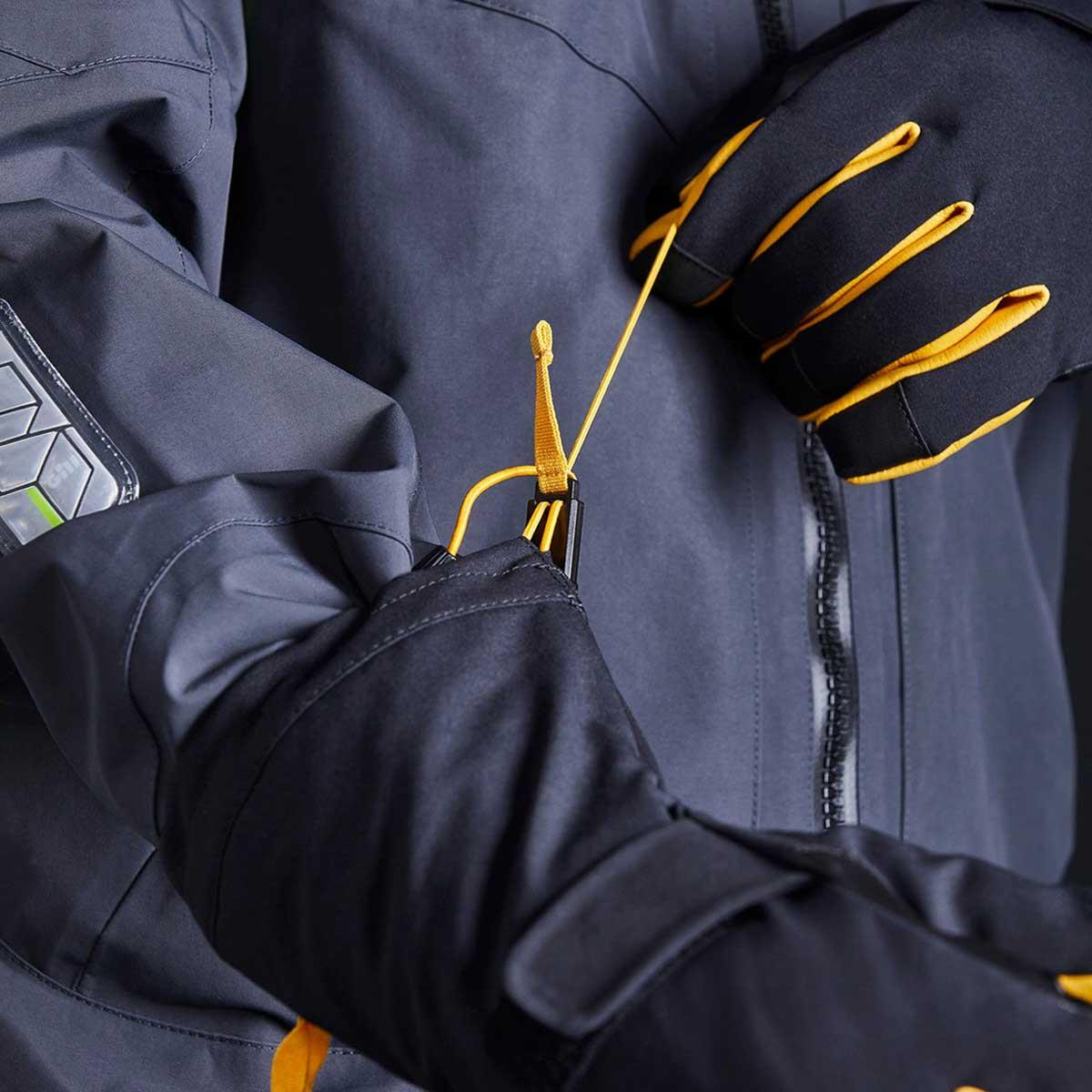
Short finger for most dinghy sailing, long finger for cold weather or if you trapeze a lot. Short finger gloves let you tie knots and adjust kit without taking them off. Long finger gloves give more warmth and protect the fingertips on the wire, but feel clumsier on a cleat. Many sailors here keep one pair of each. See all our sailing gloves.
How thick should neoprene sailing socks be?
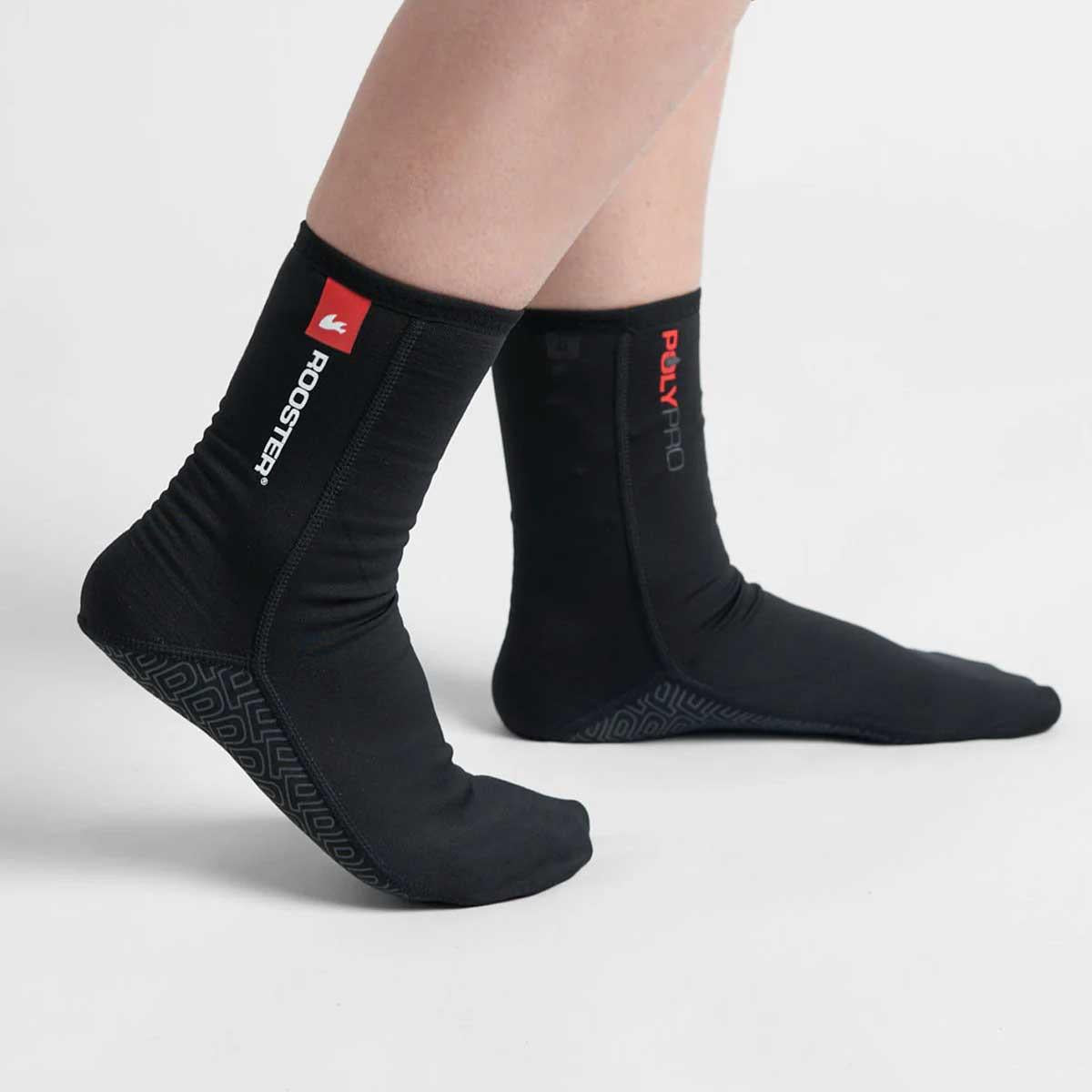
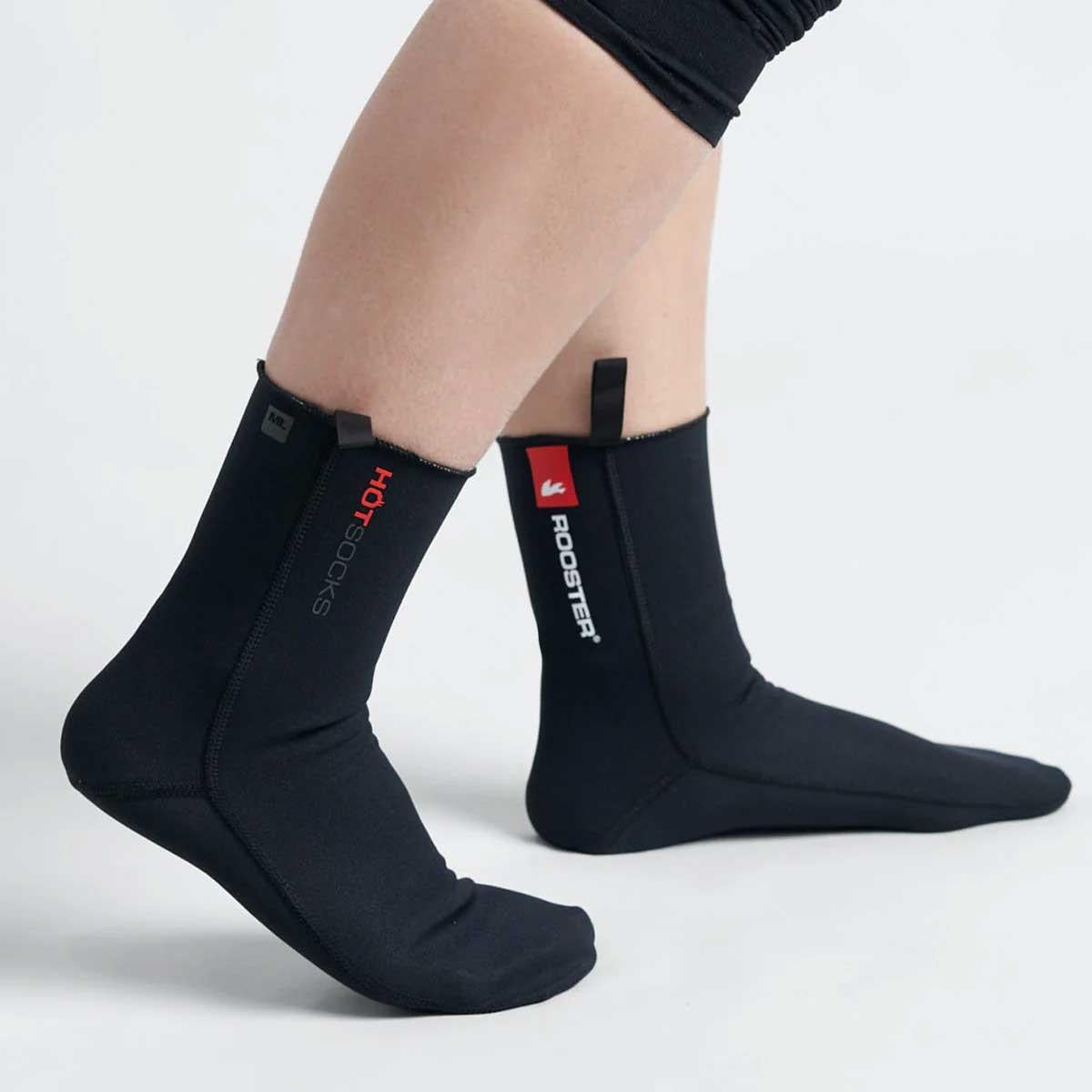
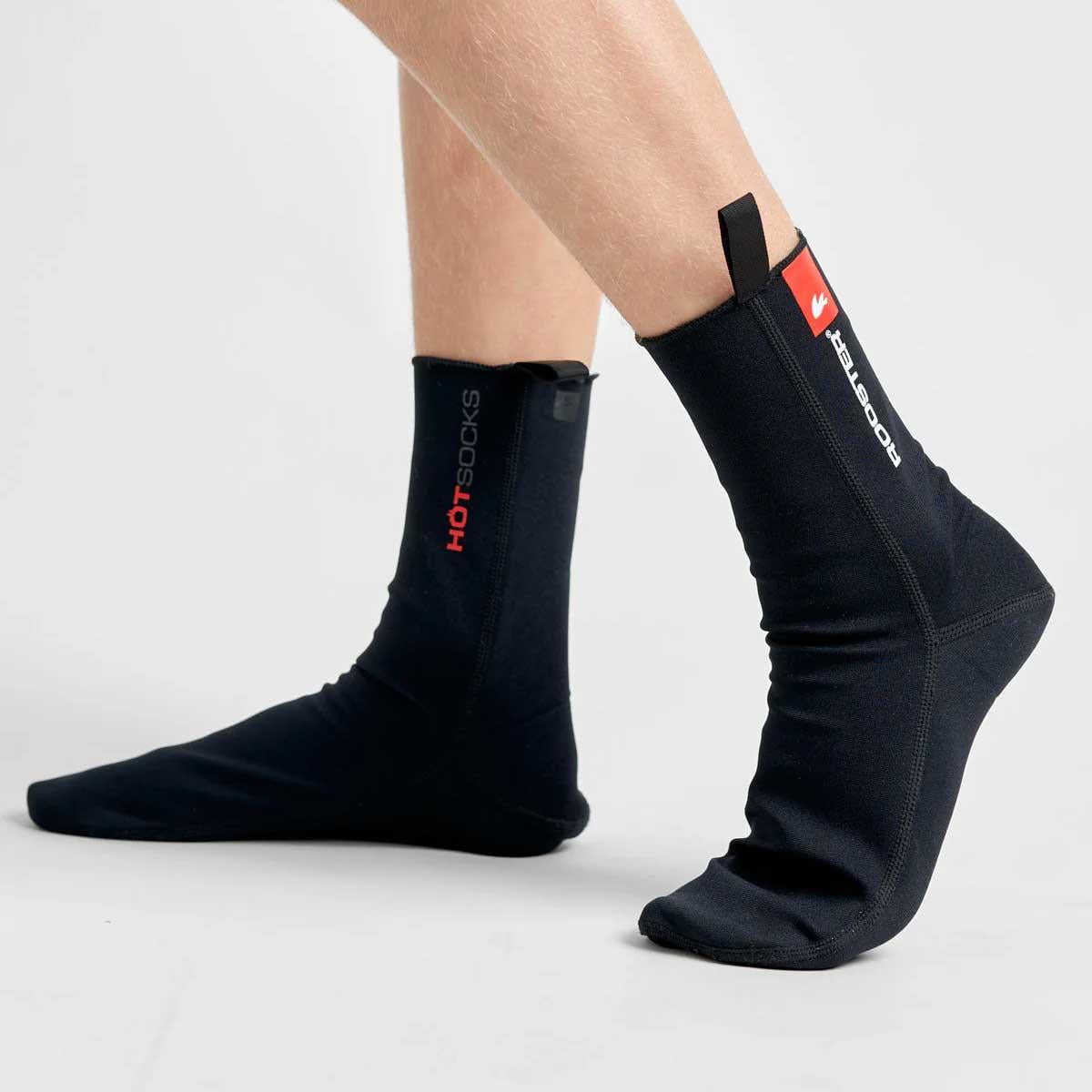
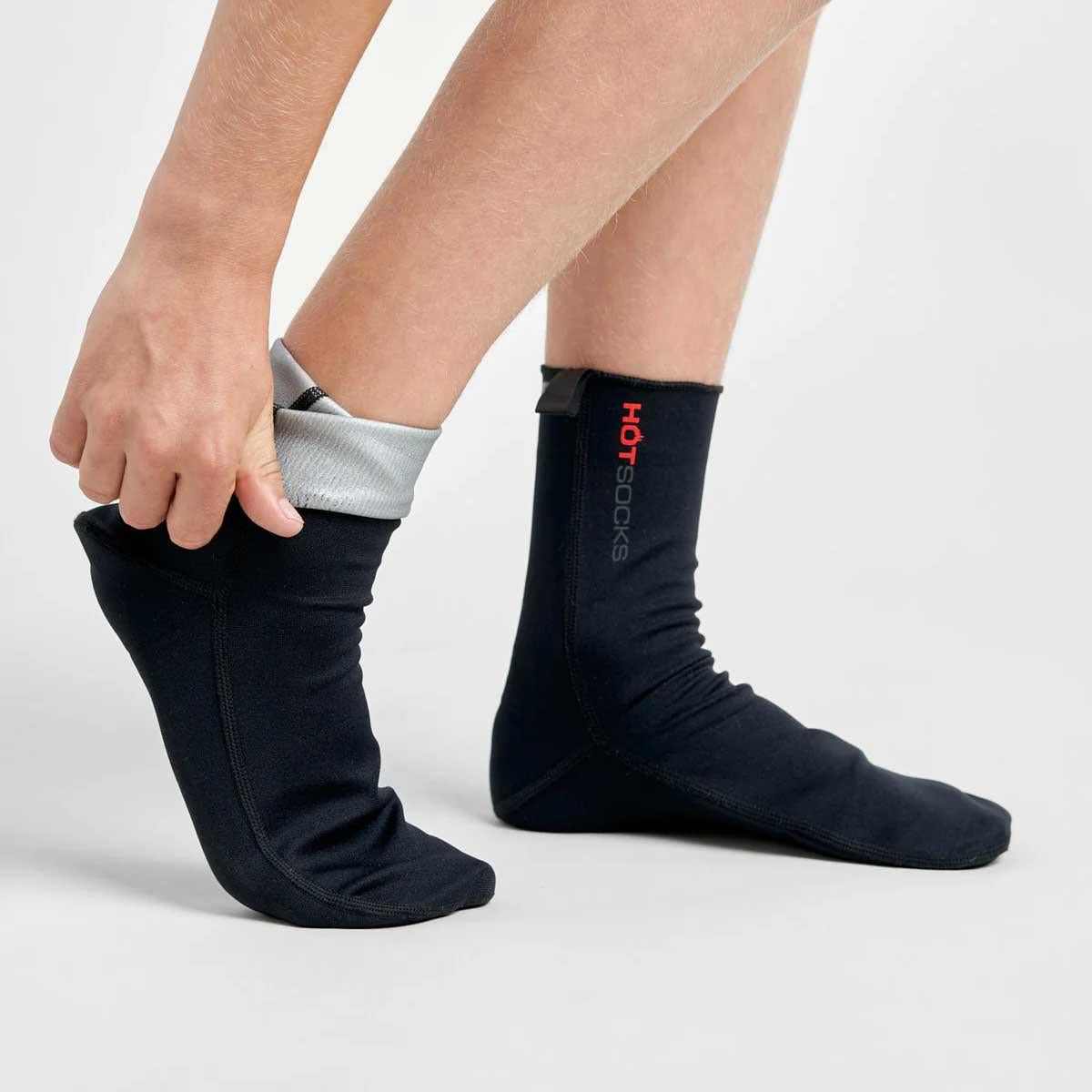
Thin for summer and for wearing inside a snug boot, thick for winter and for boots you bought with room to spare. A thin sock stops rubbing and adds a little warmth without changing how the boot fits. A thick sock is a real cold weather layer, but only if your boot has the space for it. If you sail all year, own both.
Do I need special sunglasses for dinghy sailing?
Yes, if you want to see the gusts coming. Sailing sunglasses are polarised, which cuts the glare off the water so you can read wind on the surface and spot the next shift before the boat beside you. The frames are shaped to grip while you hike and sweat. Add a retainer cord if you capsize often, as most sunglasses sink. See our sailing sunglasses.
What size kit bag do I need for dinghy sailing?
Around 50 to 60 litres carries one person's wetsuit, boots, spray top, buoyancy aid and a towel with room to spare. Go bigger if you carry kit for two or sail away for weekends. Look for a bag with a wet compartment or a waterproof lining, because a wet wetsuit in a car boot without one is a mistake you only make once. Our sailing bags cover both sizes.