Sailing Trainers FAQs
Sailing trainers or sailing boots?
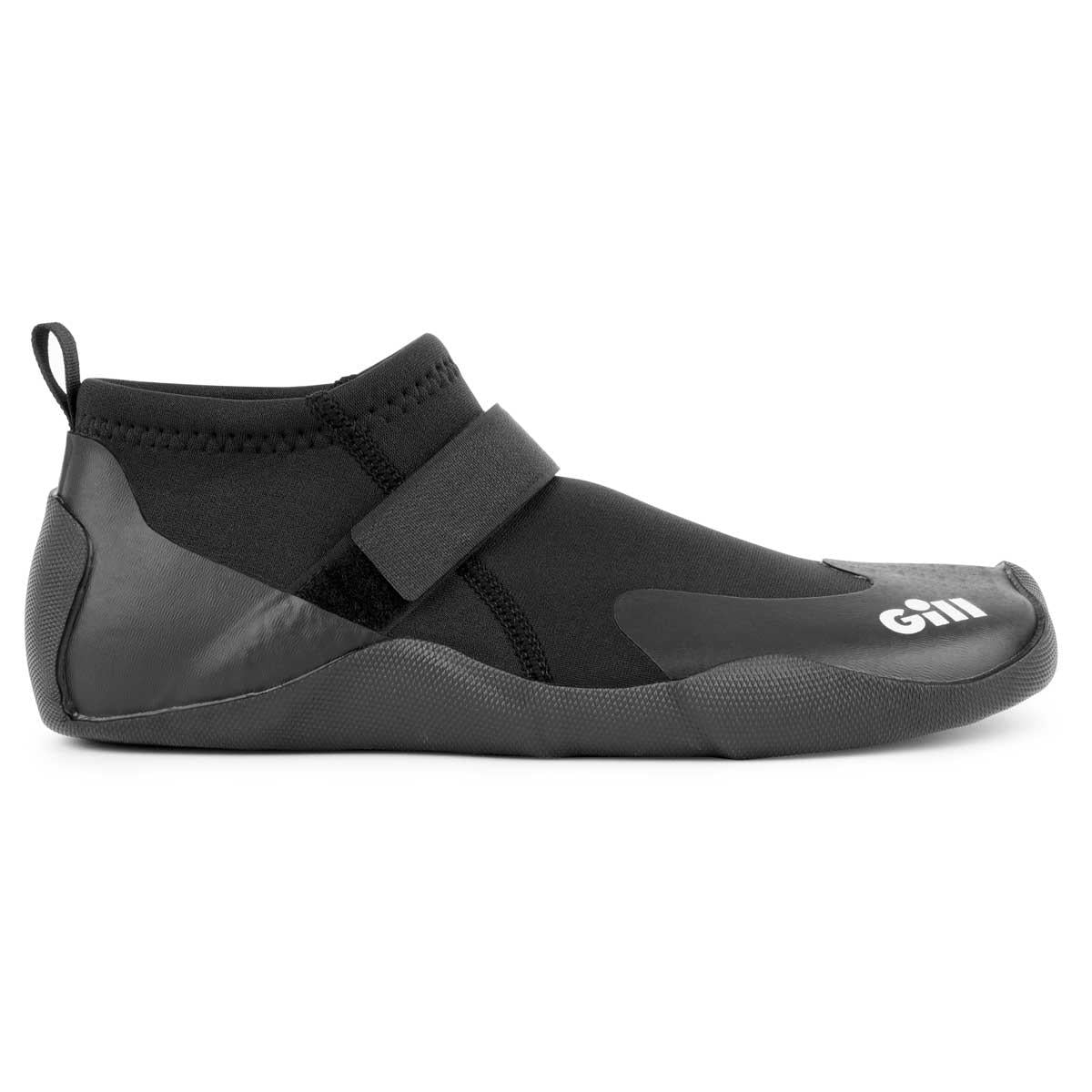
Boots from October to April and for any boat you hike in, trainers for warm days in a boat where you sit or trapeze. A boot gives you ankle cover, warmth and a stiff sole that protects the top of your foot under a toestrap. A trainer gives you none of that but is lighter, cooler and drains in seconds. Most club sailors end up owning both and switching with the season.
Can I sail in normal trainers?
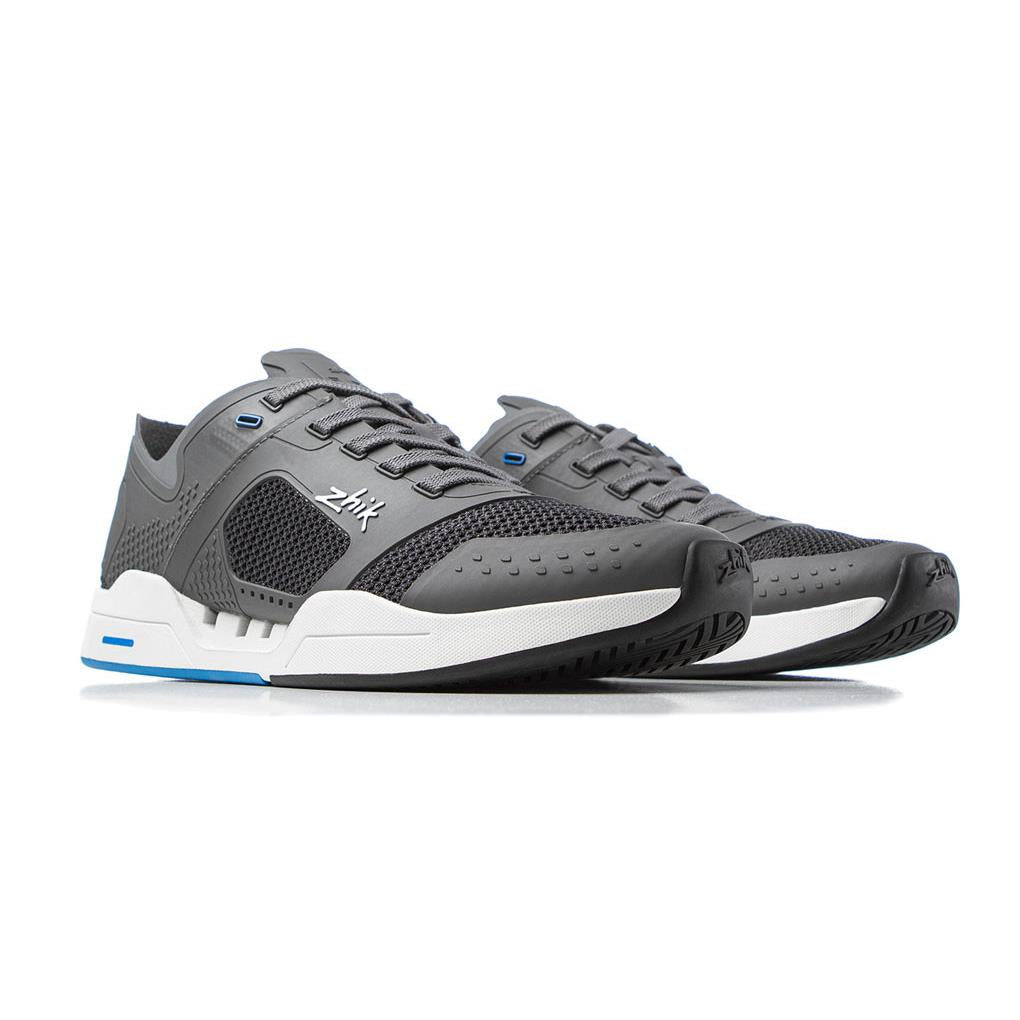
For a pootle on a warm day, yes. For racing, no. A running shoe holds water like a sponge, takes days to dry and has a sole designed for tarmac that goes slippery on a wet deck. A sailing trainer has drain holes or mesh so water runs straight out, a sole that grips wet non slip, and uppers that do not rot with salt. The cheapest sailing shoe on this page will outlast an old pair of running shoes used for sailing by several seasons.
What size sailing trainers should I buy?
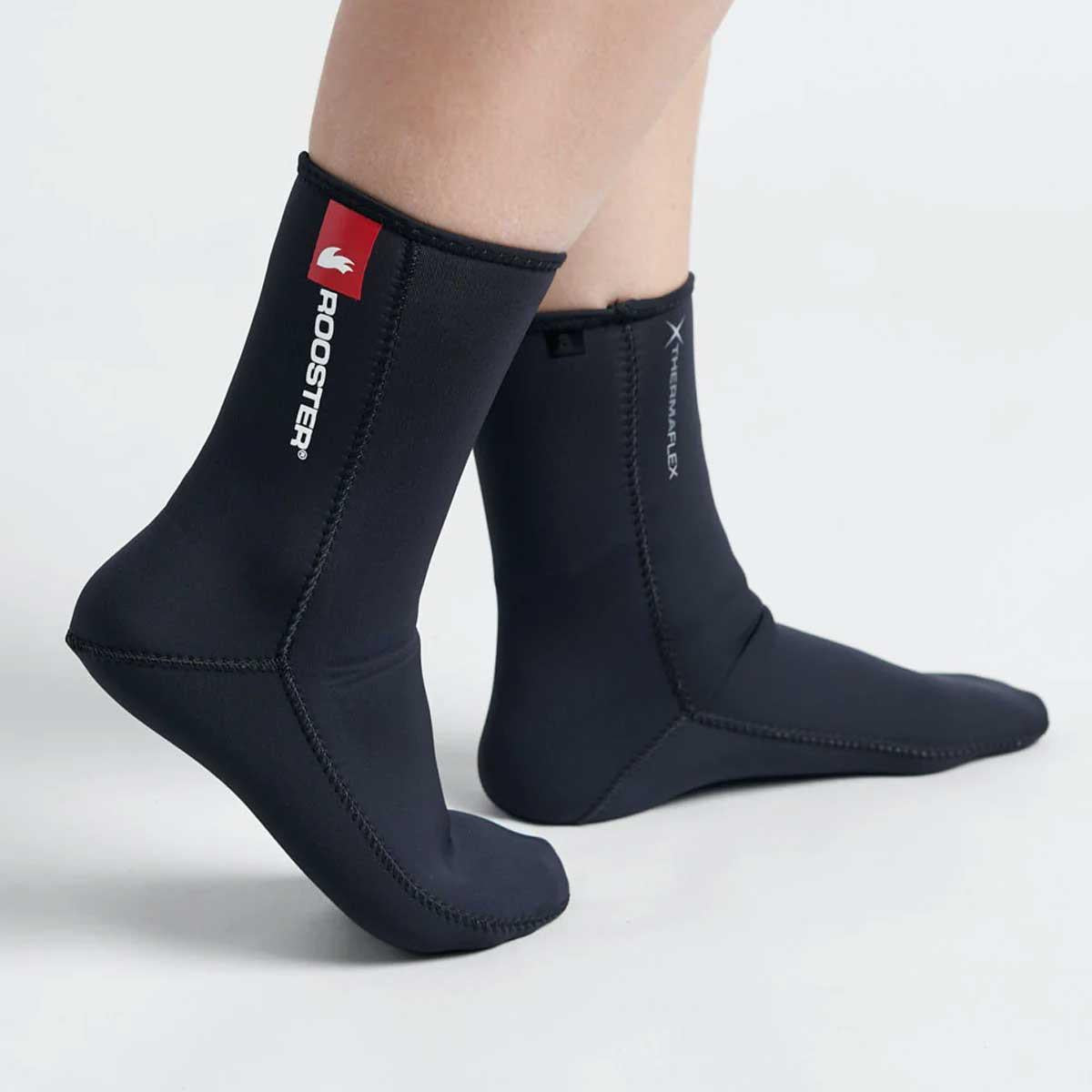
Your usual trainer size, worn barefoot or with a thin sock. Sailing trainers are cut close so they do not slip on your foot when wet, and most sailors find their normal size right. If you plan to wear a thin neoprene sock in them for the shoulder season, go up half a size. Check the brand chart on the product page, since Gill sizes in UK and Zhik in US with a conversion.
Do sailing trainers grip a wet deck?
The good ones do, which is the main reason to buy a sailing shoe over anything else. Look for a non marking rubber sole with a siped or razor cut pattern, which channels water out from under the foot and keeps the rubber on the deck. Grip wears with use, so if you find yourself sliding on a tack in a pair you have owned for years, it is the sole that has worn smooth rather than the deck getting slippier.
How do I look after sailing trainers?
Rinse them in fresh water after every sail and stuff them with newspaper to dry, out of the sun and off the radiator. Salt left in the fabric stiffens it and heat cracks the sole. Do not put them through a washing machine. The smell most sailors complain about comes from leaving a wet pair in a sealed kit bag, so take them out when you get home. Dried properly they last several seasons.